

Permanent Daylight Saving Time Legislation Poses Safety and Health Risks for Students
Proposed permanent daylight saving time legislation could force 2 billion additional school commutes in darkness, increasing pedestrian accident risks and…
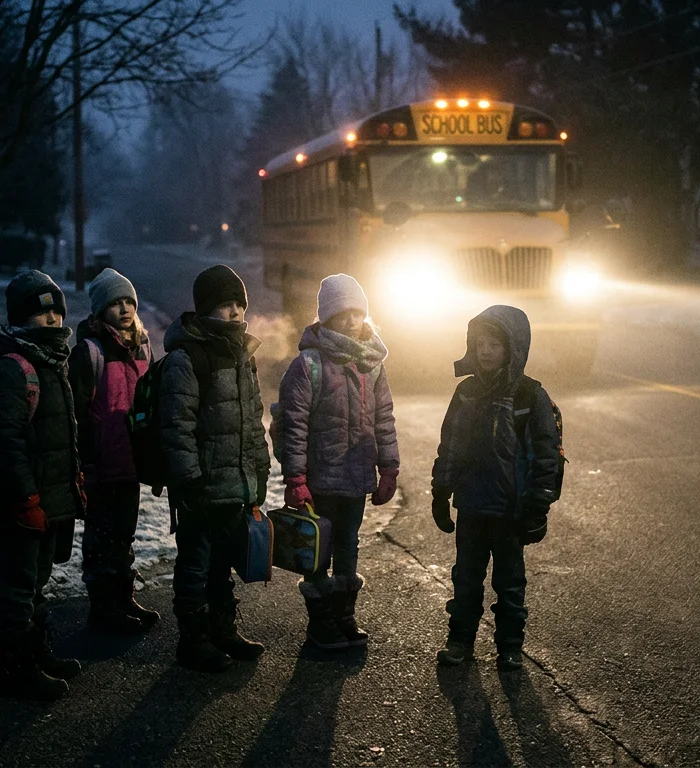
Legislative proposals to establish permanent daylight saving time (DST) in the United States face significant scrutiny due to projected increases in student safety risks and circadian rhythm disruption. Research indicates that a nationwide shift to permanent DST would result in at least 2 billion additional school commutes occurring before sunrise between November and March.
Data analysis suggests that fatal traffic accidents involving school-aged pedestrians are twice as likely to occur during dark morning hours compared to daylight conditions. The projected increase in dark commutes is particularly acute in states with early school start times, such as Alabama and Mississippi, where dark trips could increase tenfold under the proposed system.
Beyond immediate physical safety, the loss of morning sunlight is expected to interfere with the synchronization of children's biological clocks. Morning light exposure is critical for regulating sleep, mood, and metabolic functions; reduced access to this light during the school year may negatively impact student health and cognitive performance.
While the U.S. House of Representatives has passed legislation to eliminate the annual transition to standard time, the bill remains stalled in the Senate. Concerns regarding school start times and geographic disparities—specifically for schools located near the western edges of time zones—have emerged as primary obstacles to the policy's implementation. Nineteen states have already enacted measures to adopt permanent DST, contingent upon federal authorization.
More stories
- FCC approves prison cellphone jamming despite 2.5-mile warning
- Congress tests Black Democrats' growing policy influence
- Cotton faults Lutnick over AI chips allegedly sent to China
- Vance declines to back Iran strikes as Trump defends war
- Paul seeks 20%-30% federal credit for U.S. film shoots
- Trump targets data centers abroad with tax threat to firms
- T-Mobile agrees to drop 50 GB cap in New York broadband deal
- Iran threats put Bessent security alongside sanctions push
- Zelensky criticizes Trump over Russian fuel supply deal
- Michigan Senate rivals clash over health care and Israel
Latest news
- David Parr House to honor Victorian art-workman with blue plaque
- Iran's attacks hit 25 tankers near Strait of Hormuz
- Russia strikes Ukraine as Odesa faces electricity strain
- Bahrain reports two injuries after Iranian aerial attacks
- Baltic responders fight Sparta II fire after drone strike
- Dietitians advise small swaps for plant-based eating
- Europe faces attribution gap after 16 cyber, physical incidents