

North Korea nuclear capacity expands, IAEA chief says
North Korea nuclear capacity is expanding, IAEA chief Rafael Grossi said April 15, 2026, citing Yongbyon activity and a new enrichment-like site.
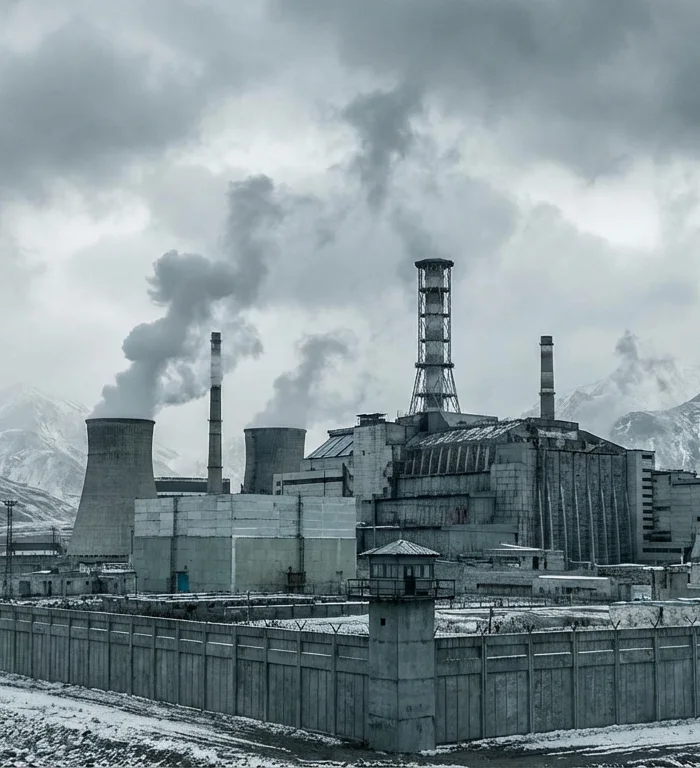
North Korea has sharply expanded activity linked to nuclear weapons production , according to Rafael Grossi, Director-General of the International Atomic Energy Agency (IAEA), who spoke in Seoul on Wednesday, April 15, 2026.
Grossi said operations at the Yongbyon nuclear site have grown quickly, pointing to increased work across multiple parts of the complex. He cited the reactor, the reprocessing unit, and the light-water reactor as areas where activity has expanded, and he also referred to the activation of other facilities.
The IAEA’s periodic assessments, Grossi said, indicate a major improvement in the Democratic People’s Republic of Korea’s ability to produce nuclear weapons. He described the estimated output as sufficient to support a few dozen warheads, reflecting what he called a significant increase in overall capacity.
Grossi also highlighted construction of a new facility that he said resembles the Yongbyon enrichment plant. He said this suggests a substantial rise in the DPRK’s enrichment capacity, even as the agency has not had on-site inspections in the country since 2009.
North Korea carried out its first nuclear test in 2006 and remains subject to United Nations sanctions tied to prohibited weapons programs. Officials in Pyongyang have repeatedly said the country will not give up its nuclear arsenal, a position that continues to shape regional security calculations and diplomatic constraints.
On the question of external support, Grossi said the IAEA has not observed direct Russian assistance in North Korea’s nuclear development. At the same time, he noted that Pyongyang has provided military support to Russia’s invasion of Ukraine and has reportedly received military technology in return.
For markets and policymakers, the IAEA’s description of expanded enrichment and reprocessing-related activity adds to uncertainty around sanctions enforcement, regional risk pricing, and the security environment in Northeast Asia. However, the agency’s lack of access since 2009 remains a key limitation, leaving important details about the scale and pace of developments dependent on periodic assessments rather than on-site verification.
More stories
- Bardella denies antisemitism claims over teenage messages
- Washington targets China in new tariff push on trade ties
- Eisenkot secures first coalition deal but lacks majority
- Germans oppose Ukraine aid as poll shows support slipping
- Kim Jong-un receives 10 envoys after constitutional shift
- Ukraine claims Libya strike sinks Russian naval corvette
- US diplomacy seeks Israel-Lebanon peace, sides Hezbollah
- Turkish Foreign Minister Accuses Israel of Strategically Framing Ankara as a Regional Enemy
Latest news
- Retailers rethink Black Friday as discount fatigue grows
- Japan data centers face lawsuits over residential sites
- S&P puts Nvidia credit rating on watch over board concerns
- Musk pledges two SpaceX shares per child in new US giveaway
- Morocco targets 2030 World Cup final with new stadium bid
- Barclays puts AI bust risk at center of US growth debate
- US inflation reaches 3.8% before December Fed rate meeting
- Türkiye Desk: GTA 6 drains UK mobile spend as Turkish studios feel pressure