

Australia sets ambitious 2035 emissions target, boosts Pacific climate fund
Australia has pledged a 62–70% emissions reduction by 2035 while balancing renewable energy investments with its status as a major natural gas exporter.
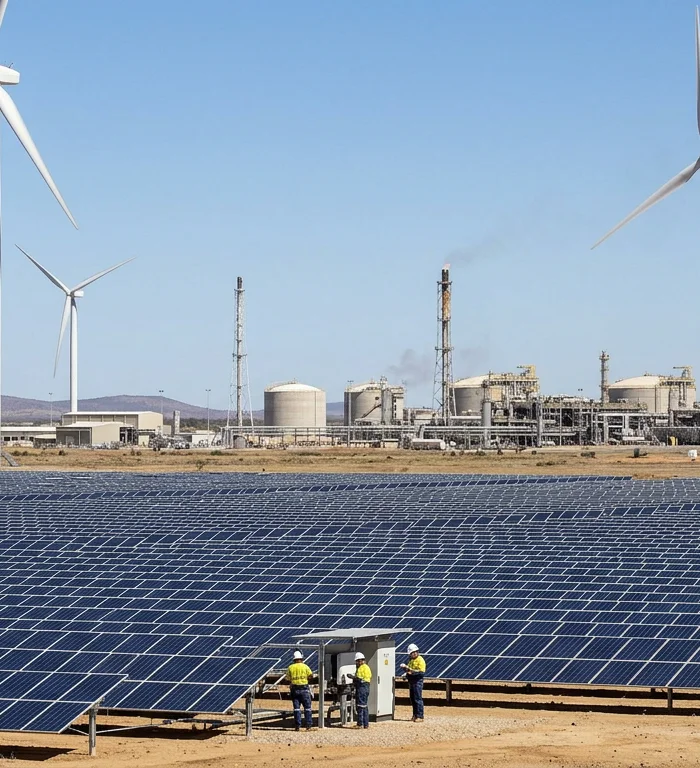
The Australian government has formally committed to a 2035 emissions reduction target ranging from 62% to 70% below 2005 levels. This policy framework integrates a transition towards renewable energy sources, with natural gas infrastructure supplementing the shift.
Officials maintain this strategy is both economically viable and essential for mitigating the long-term fiscal risks associated with climate-related disasters. The commitment positions Australia among global leaders with highly ambitious climate goals for the next decade.
Pacific Resilience Initiative Gains Support Australia is concurrently expanding its regional influence through Australia is concurrently expanding its regional influence through the Pacific Resilience Facility, allocating A$450 million for climate-resilient infrastructure and financing in Pacific nations. This initiative serves as a strategic effort to bolster regional stability and security in response to projected increases in extreme weather events. The fund represents a significant increase, with A$100 million previously contributed, and an additional A$350 million now designated to further support the region. This financial backing aims to help island nations build defenses against rising sea levels and more frequent severe weather patterns. Emissions Goals Face Export Reliance Tension Despite these domestic commitments and regional climate leadership, the government continues to maintain its position as a major exporter of liquefied natural gas. This dual approach creates a potential policy tension between international climate leadership objectives and the nation's economic reliance on fossil fuel exports.
Analysts should monitor how this reliance on gas-firmed renewables impacts the feasibility of meeting the stated 2035 reduction targets. The ongoing export of natural gas, even as domestic demand decreases, poses a challenge to the perception of Australia's overall climate ambition.
Future Policy and Economic Balancing Act
The core challenge for Australia lies in balancing its economic prosperity, significantly tied to resource exports, with its increasingly ambitious climate policy. The next steps involve demonstrating how gas-firmed renewable transitions can genuinely achieve the ambitious 2035 target without undermining global emissions reduction efforts.
More stories
- Eisenkot secures first coalition deal but lacks majority
- Germans oppose Ukraine aid as poll shows support slipping
- Kim Jong-un receives 10 envoys after constitutional shift
- Ukraine claims Libya strike sinks Russian naval corvette
- COP31 climate talks collapse over fossil fuels and funds
- Russian military faces 1,087 recorded suicides in Ukraine war
- China military purge removes Xi’s two senior commanders
- Houthis press Yemen heights as US holds back on strikes
- Crude shipments jump as Russia gains from Saudi strike
- Germany backs China trade curbs before next EU summit talks
Latest news
- Trump prepares tariffs on China and other major exporters
- New-car buyers pay record average $50,087 in October
- Banks face ECB reserve debate over liquidity and profits
- Investors see Anthropic debut gains fade below $83 a share
- Iraq orders federal control over Kurdish-area oilfields
- Nvidia shares retreat as AI rally cools before PCE data