Germany backs China trade curbs before next EU summit talks
Germany will back tougher China trade measures at the October EU summit as Chancellor Friedrich Merz seeks more protection for strategic industries.
Claire Dubois ·
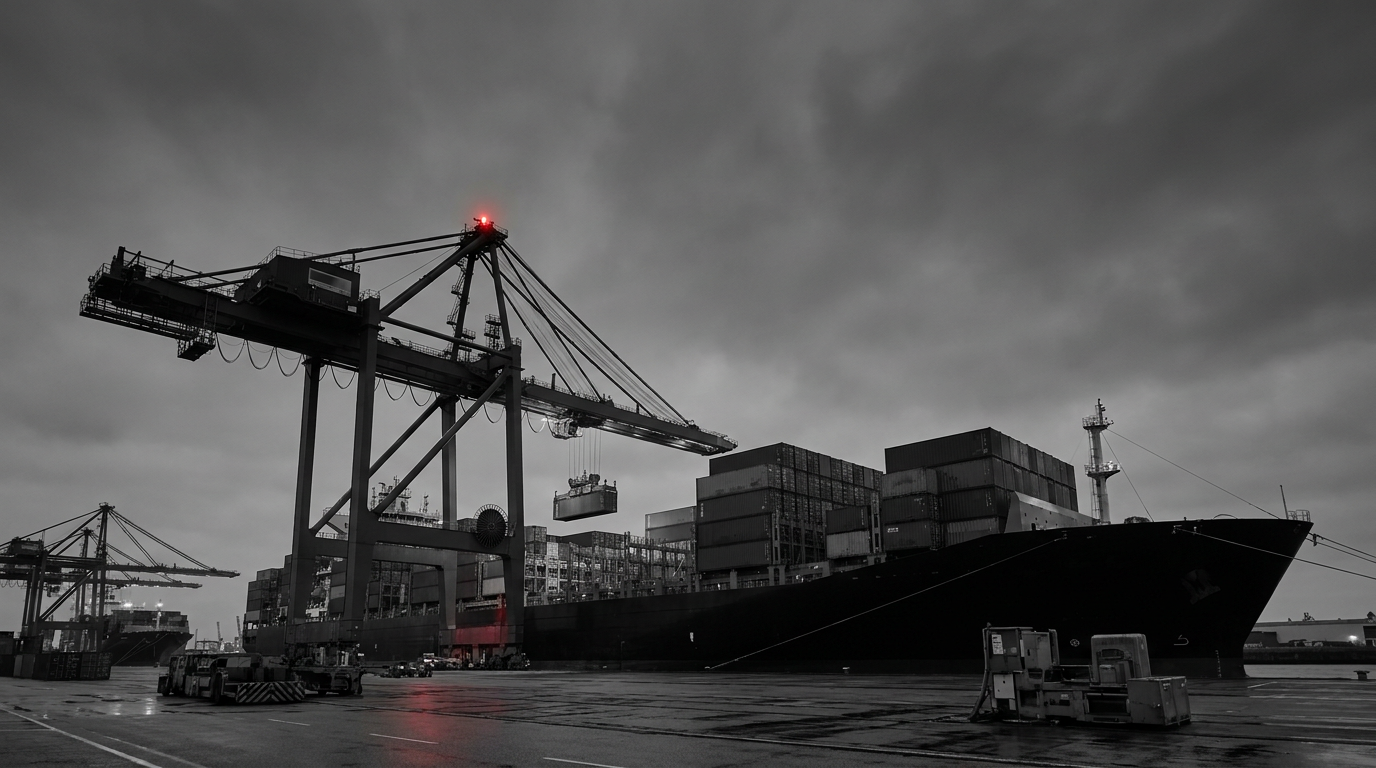
Germany will back tougher China trade tools at an October 15–16 EU summit, putting Berlin behind new defenses for strategic industries.
Chancellor Friedrich Merz told a foreign trade lobby event in Berlin on Tuesday that Europe needs a harder response to Beijing’s trade model. He said China’s mix of industrial policy, subsidized exports and pricing pressure had left European companies facing what he called "unfair competition."
Merz targets Beijing subsidies
Merz’s remarks put Germany closer to governments inside the European Union that want broader economic-security powers aimed at China. The shift matters because Germany has often balanced criticism of Beijing with concern for companies exposed to Chinese demand and supply chains.
The chancellor said China combines market energy with state intervention, overcapacity, aggressive pricing, what he described as an undervalued currency, and heavily subsidized exports. Those claims were framed by Merz as reasons for Europe to cut dependencies rather than as a case for severing trade ties.
European leaders have asked the European Commission, which manages trade policy for the bloc, to sharpen the EU’s defenses, Merz said. The next test is the leaders’ summit in Brussels on October 15–16, when governments are expected to discuss the instruments available to the bloc.
Berlin maps industrial exposure
Germany’s government is preparing a package of economic-security steps to shield sectors viewed as strategically important, according to a report on the preparations. Possible measures include tariffs on hybrid electric vehicles, tighter checks on investment entering and leaving Germany, mandatory joint-venture requirements and stronger export controls.
Ministries are also mapping areas where German industry depends on China, the report said. That exercise would give Berlin a basis for choosing between tariffs, investment limits and export restrictions rather than applying a single tool across the trading relationship.
The hybrid electric vehicle option would place the auto sector near the center of the debate. If adopted, tariffs would change the cost calculation for Chinese producers selling into Europe and for European buyers comparing imported vehicles with locally made alternatives.
EU tools meet German interests
The European Commission’s role is central because individual member states cannot run a separate commercial policy outside the bloc’s framework. Berlin can press for tougher measures, but the EU process will determine whether those proposals become enforceable trade instruments.
For German companies, the immediate effect would depend on which tools leaders favor. Tariffs would work through prices at the border, investment screening through deal approvals, and export controls through limits on the sale or transfer of designated goods and technology.
For China-facing sectors, the broader issue is predictability. A clearer EU toolkit could give companies firmer rules for investment and sourcing, while a fragmented debate would leave firms managing policy risk across vehicles, advanced manufacturing and other supply chains.
Three paths from Brussels
If EU leaders converge behind tougher China trade measures, the global macro effect would be more friction in goods flows between two major trading partners. For Merz’s government, that outcome would give Berlin political cover for national security steps; for industry, it would bring higher compliance costs and clearer incentives to diversify suppliers.
If leaders settle on narrower measures, the immediate drag on trade would be smaller, and German companies would face less near-term disruption. The sector effect would be concentrated in targeted areas such as hybrid electric vehicles, investment screening and export-controlled technology.
If governments split over how far to go, the main uncertainty will be whether the October summit produces a timetable or only a mandate for further work. That would leave China trade policy in a holding pattern, with companies adjusting more slowly while ministries continue to map vulnerabilities.