Houthis press Yemen heights as US holds back on strikes
Houthis pushed toward strategic heights in Yemen as President Trump held back from reported US strikes, intensifying pressure on the Red Sea coast.
Omar Farouk ·
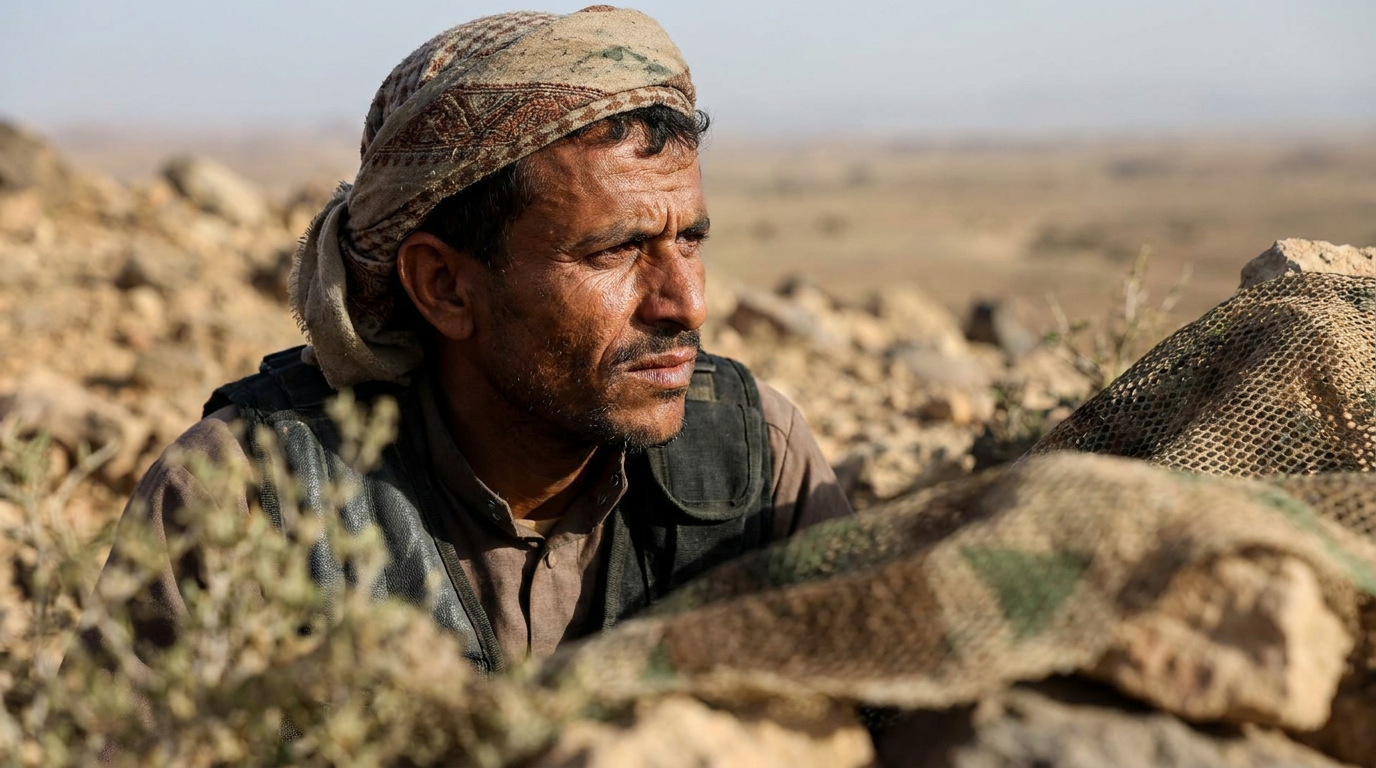
Houthis pressed strategic heights in Yemen on Monday, after the UN counted nearly 700 deaths in a flare-up around the Red Sea coast.
The push aimed to cut the Red Sea coast off from inland areas still held by Saudi-backed forces, according to the account of the fighting. It followed a rapid Houthi advance this month that put the Iran-backed group in control of Yemen's coast on the waterway.
Yemen heights split the coast
The highlands have become the next line in a conflict that has moved from local front lines into a wider regional contest. For the Saudi-backed government, the terrain links remaining inland positions with the ports and roads on Yemen's western edge.
The Houthis have held Sanaa, Yemen's capital, since 2014, giving the group a durable base for military and political control. Their coastal gains this month pushed back forces aligned with the Saudi-backed, internationally recognized government and widened the area under Houthi pressure.
Trump withholds direct pledge
A published report said the Trump administration had prepared airstrikes on Sunday after new Saudi requests for US help. President Trump stopped the operation at the last minute, according to that report, as bombs were being loaded onto aircraft.
No US confirmation of that account was available. US Central Command directed questions to the White House, and the White House did not immediately comment.
Rashid al-Alimi, president of Yemen's Saudi-backed government, asked Trump by phone on Sunday for US military help, four people familiar with the call said. Two of them, one Yemeni and one Western, said Trump made no direct pledge of support during the conversation.
Riyadh blast widens front
The conflict's reach also appeared to extend toward Saudi Arabia over the weekend. Explosions were heard on Saturday and smoke was visible near Riyadh's airport, while the Houthis said they had fired missiles at the Saudi capital.
Saudi authorities did not comment on that claim. The Houthis also said Saudi Arabia had carried out hundreds of strikes in recent days on the group's highland positions, putting the battle for elevated ground at the center of the latest phase.
UN tally shows civilian strain
The United Nations said nearly 700 people have been killed and thousands more injured in the renewed fighting. It also reported that nearly 130,000 Yemenis have fled homes inside the country, while more than 3,000 have crossed the Red Sea by boat to Africa.
Those figures place the humanitarian burden alongside the military contest for the coast. They also make the Red Sea front relevant beyond Yemen, since fighting near the waterway can affect risk assessments for shipping, energy supplies and regional security planning.
Two paths for Red Sea risk
If Houthi forces hold the highlands and keep the coast separated from inland government-held areas, the global effect would run through insurance, route planning and energy risk premiums. For al-Alimi's government, that path would deepen territorial isolation; for shipping and energy firms, it would reinforce caution around Red Sea exposure.
If Saudi-backed forces instead regain access between the coast and interior, the immediate pressure on the Yemeni government would ease and industry risk pricing could stabilize. The main open question is whether Washington continues to avoid direct strikes after President Trump's reported last-minute halt and Sunday's request from al-Alimi.