Kibbutz Nirim rebuilds as family records life in art
Kibbutz Nirim is rebuilding after the Oct. 7 Hamas attack, as one family’s weekly artwork documents daily life and lingering trauma.
Omar Farouk ·
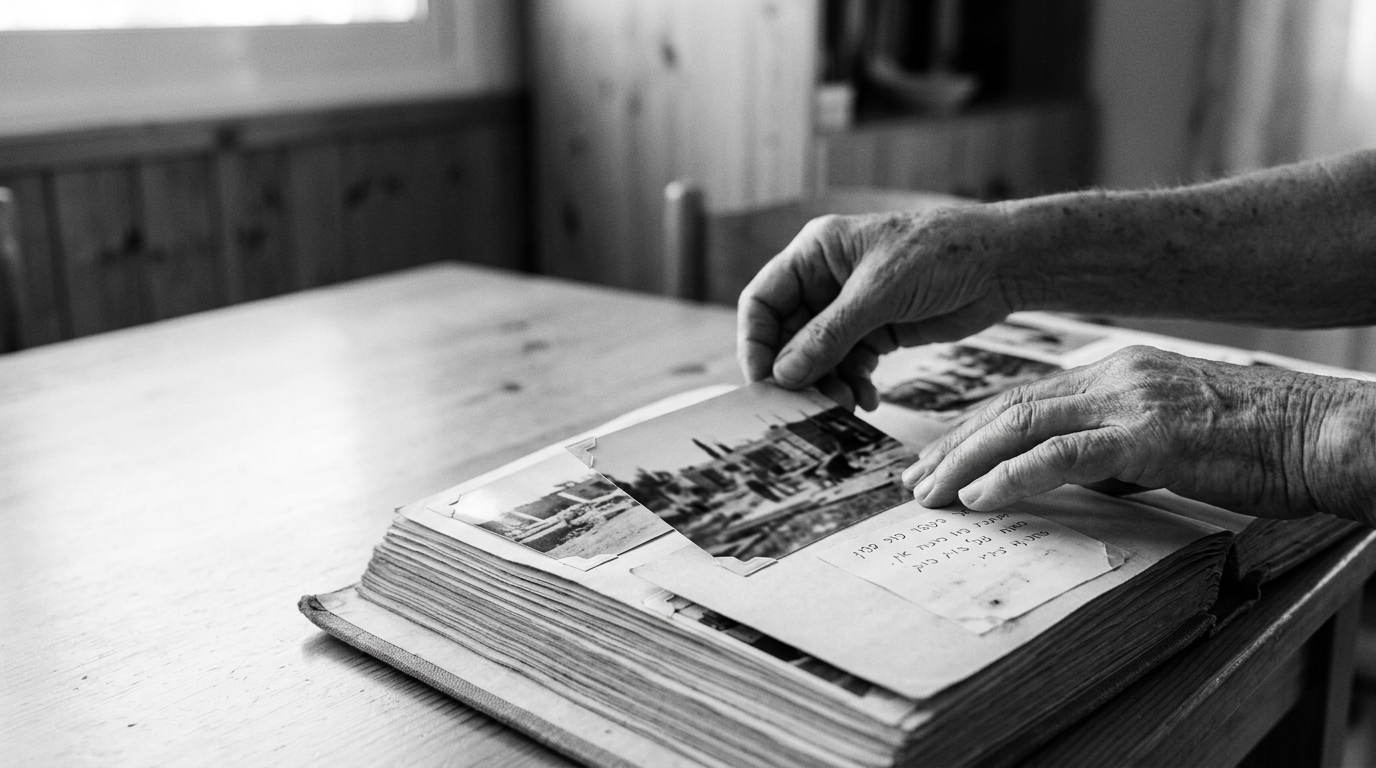
Kibbutz Nirim, a small Israeli community close to the Gaza border, is described as trying to return to everyday rhythms after the October 7 Hamas attack on Israel. In a personal account, ordinary routines such as work, school, and local culture are framed as resuming while residents still carry the trauma tied to that day.
The piece is written as an opinion column and presents one family’s perspective rather than an official statement from the kibbutz or a comprehensive report. It portrays October 7 as a continuing reference point that shapes how residents interpret even normal moments during the rebuilding process.
Family art as a record of daily life
At the center of the account is the At the center of the account is the author’s daughter, who decided while in hiding during the assault to document life in Nirim through regular artwork. The column describes her choosing a weekly practice as a way to record what is happening around her and to process the reality the community is living through. The author presents the artwork not as a formal project commissioned by institutions, but as a personal method of documentation. The routine of producing and sharing new pieces is depicted as a steady marker of time, set against the disruptions and memories connected to the attack. Rebuilding routine under ongoing uncertainty Beyond the family story, the column points to a broader dynamic for communities near Gaza: daily life can be altered quickly by security shocks and political decisions. In that setting, the act of restoring day-to-day schedules is portrayed as both a practical need and a reminder of what was interrupted.
Kibbutz Nirim
The account also suggests that personal documentation of recovery can contribute to how communities form a shared narrative after mass-casualty events. It presents routine cultural practices as one way people try to hold onto continuity, even while the meaning of ordinary experiences may feel changed by recent trauma.
Public debate inside Israel and the border question
According to the column’s framing, how residents rebuild near the border, and what they decide to preserve in memory, can influence public debate inside Israel. It links those choices to discussions about security policy, displacement, and the feasibility of sustained civilian life in areas exposed to conflict.
At the same time, the column does not claim to represent broader community views or outcomes. It remains a single narrative centered on one household’s approach to recording and processing events.
One measurable signal to watch through 2026
The account sets out a specific point to monitor: by 2026-09-30, whether the weekly art practice continues to be published or exhibited on a regular schedule, and whether it expands beyond a family project into a wider community archive. The column notes that continuity and public sharing would suggest sustained civic and cultural rebuilding, while a pause or disappearance could reflect renewed displacement, security disruption, or personal limits after prolonged stress.