U.S. blockade forces strike Panama ship near Iran ports
U.S. blockade forces struck the Vela Nova near the Gulf of Oman, with all 17 crew accounted for and oil routes under scrutiny.
Lauren Collins ·
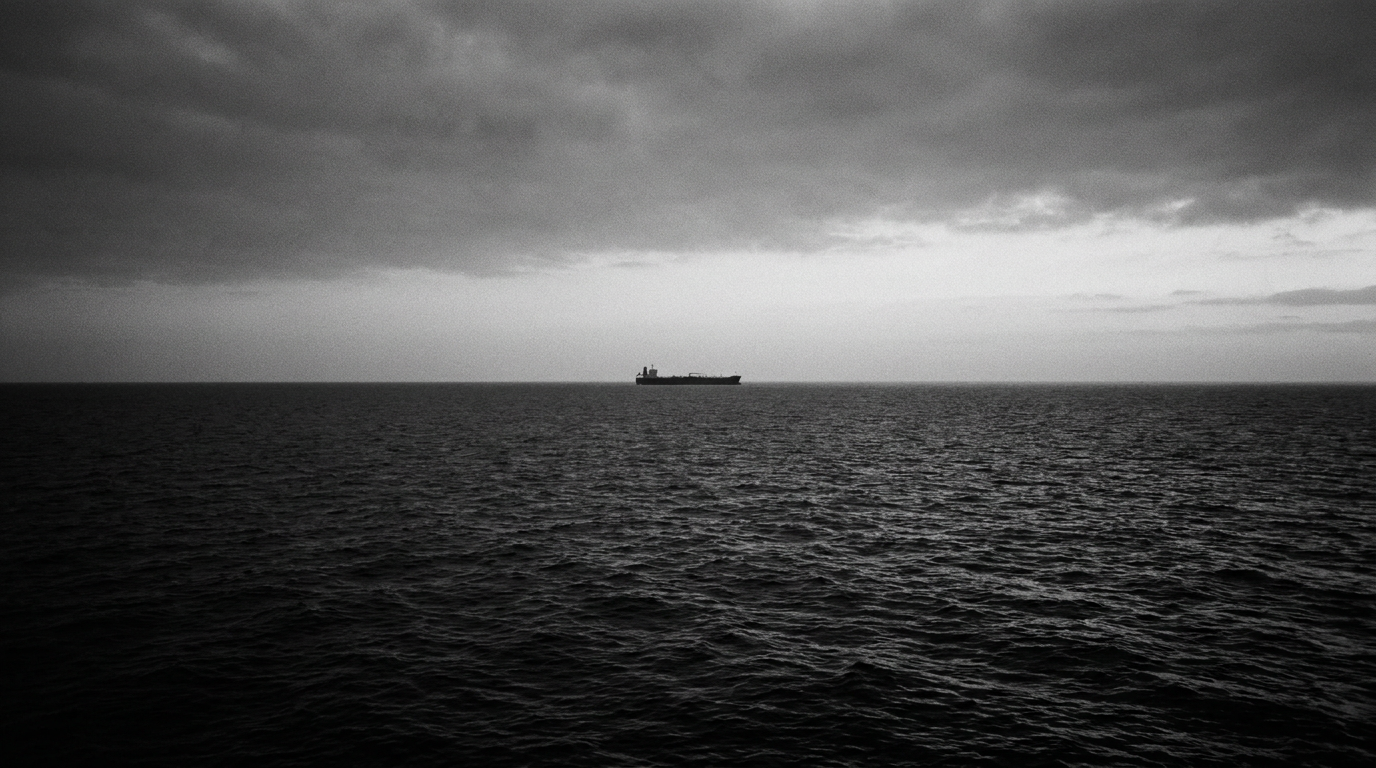
U.S. forces fired on the Vela Nova early Tuesday, escalating the U.S. blockade with all 17 crew later accounted for. No casualties were immediately reported.
A U.S. official said a military helicopter aimed at the ship's rudder after the crew ignored warnings from American personnel enforcing restrictions on access to Iranian ports. The official said the vessel appeared to be trying to move its crew to another civilian ship after the strike.
Vela Nova hit before dawn
Vanguard, a maritime security firm, identified the vessel as the Panama-flagged containership Vela Nova. Its initial report said the ship was traveling west through the Gulf of Oman, about 71 nautical miles from Pakistan's coast, when a helicopter-launched missile hit it.
The hit started a fire that was later put out, Vanguard said. The firm said all 17 people aboard had been accounted for, providing the clearest early casualty marker after the U.S. official reported no immediate deaths or injuries.
The incident came as President Trump's administration attempts to use the blockade to cut Iran's oil revenue and press Tehran toward a deal to end the war. The mechanism is economic as much as military: restrict access to ports, reduce revenue flows and raise the cost of defying U.S. warnings at sea.
The risks of that approach were already visible before Tuesday. In June, an Indian official said three Indian sailors were killed during a U.S. blockade operation, the first reported deaths tied to the American campaign to enforce maritime pressure on Iran.
Hormuz pressure meets Red Sea risk
The strike occurred during a relative lull in hostilities with Iran, including around the Strait of Hormuz. The strait remains the narrow maritime passage at the center of the conflict, with attacks on ships having restricted traffic there earlier in the war.
Control over Hormuz carries weight beyond the immediate U.S.-Iran confrontation. The route handles about one-fifth of the world's oil transit, making any sustained disruption a direct issue for energy importers, shipping companies and governments trying to keep fuel costs contained.
The pressure is not limited to the Gulf of Oman. Last month, the Iran-backed Houthi militia in Yemen announced a blockade of Saudi ships in the Red Sea, threatening the route Saudi Arabia has used to work around the blockage in Hormuz.
Three paths for oil routes
If Washington keeps strikes limited to disabling ships that ignore warnings, the global macro effect runs through deterrence rather than immediate lost supply: fewer vessels may test the blockade, while oil flows still depend on Hormuz and the Red Sea staying open. For Vela Nova's unidentified operator, the immediate issues would be repairs, crew handling and any enforcement inquiry; for the shipping sector, the mechanism is compliance cost.
If Tehran or allied groups answer with more attacks on vessels, the macro channel shifts to transit risk along routes carrying about one-fifth of global oil. Vela Nova would become one episode in a wider risk calculation for shipowners, while container lines and tanker operators would face route, insurance and crew-safety decisions.
If negotiations over Hormuz produce de-escalation, the pressure on oil transit could ease through fewer attacks and fewer enforcement encounters. In that case, Vela Nova's case would likely turn on damage assessment and crew disposition, while the broader industry would watch whether Red Sea threats recede with the Gulf track.
The immediate open questions are whether the ship's crew transfer was completed, how much damage the rudder and hull sustained, and whether U.S. forces will treat similar attempts as warning cases or enforcement targets. Each answer will shape how civilian vessels calculate the cost of approaching Iranian ports under the blockade.