Indian police detain Gandhi as student protests intensify
Indian police detained Rahul Gandhi during a student protest, intensifying scrutiny of the Modi government’s handling of education unrest.
Lauren Collins ·
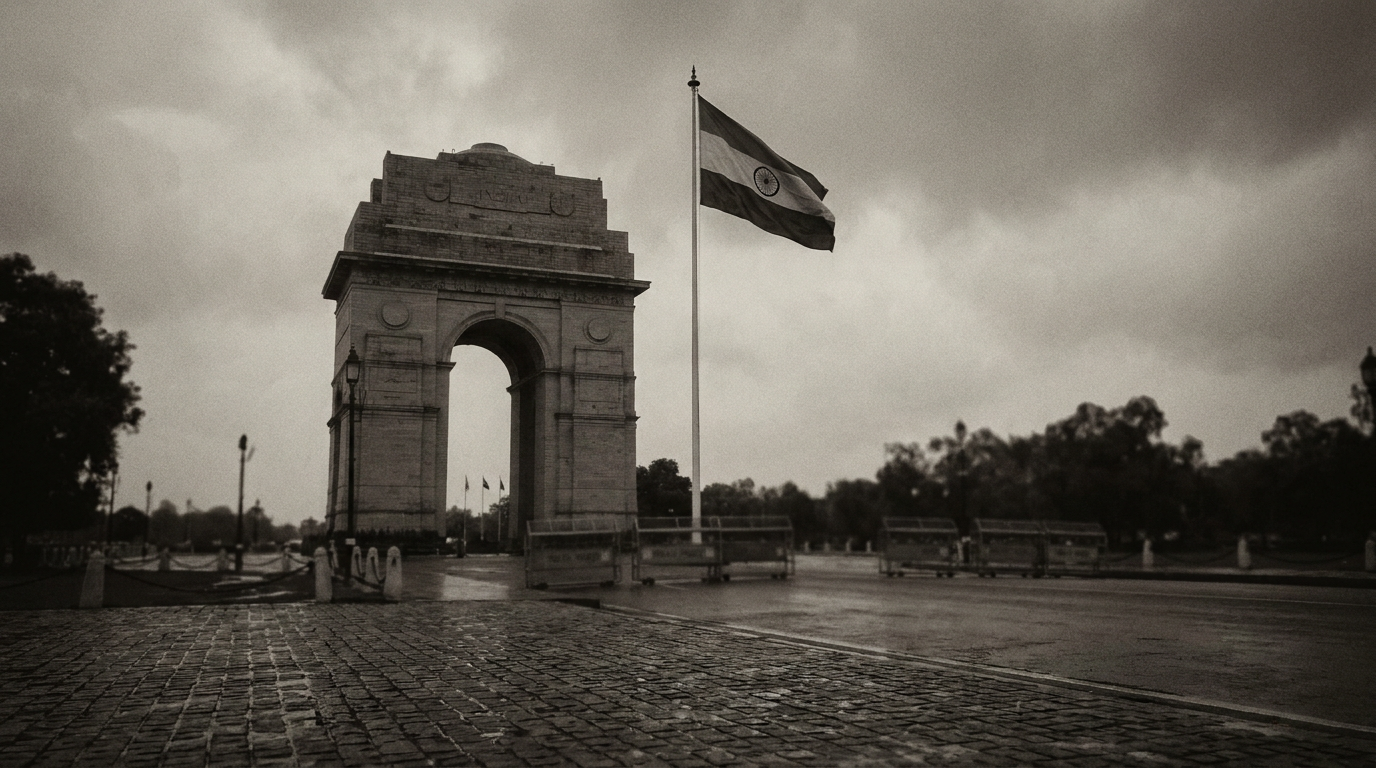
Indian police briefly detained Rahul Gandhi and his sister during a Tuesday protest, escalating pressure on Prime Minister Narendra Modi.
Gandhi detention sharpens Modi pressure
The detention followed Gandhi’s criticism of the authorities’ response to demonstrations a day earlier. He was objecting to the reported use of tear gas and batons against thousands of protesters demanding changes to India’s education system.
The episode turned a student protest into a higher-profile political confrontation. Gandhi is the country’s leading opposition figure, and his involvement gives the unrest a national platform that student organizers alone may not command.
Modi’s government now faces two linked tests: public anger over policing and a widening debate over education policy. The source account did not provide a detailed list of the protesters’ demands, leaving the precise policy target unclear.
Satire turns into street politics
The protest movement is led by the Cockroach Janta Party, which began as a satirical online campaign. It has since grown into a large public challenge to the ruling coalition, according to the account provided.
That evolution matters because online protest movements often depend on whether they can convert attention into organization. In this case, the movement has moved from mockery to mobilization, drawing enough people onto the streets to force a police response.
Gandhi’s opposition party has struggled through repeated electoral defeats during Modi’s period in power. Analysts cited in the account said the student-led campaign could help the opposition reach younger voters, a group it is trying to court after years of limited success against the ruling coalition.
Education anger reaches national politics
The immediate effect falls on three groups: protesters, police and the opposition. Students face the risk of further confrontations; police face scrutiny over crowd-control tactics; Gandhi’s party gains a chance to attach itself to a youth-driven issue.
The education sector is the arena where the dispute began, but the political consequences are broader. If the movement sustains momentum, schools, universities and education administrators could face pressure to respond more visibly to complaints that have not yet been specified in the source material.
For the Modi government, the risk is not only the size of one protest. The larger danger is a narrative that young people are being met with force rather than heard, especially if images or accounts of tear gas and batons continue to circulate.
The global macro effect is limited for now because the available facts point to political pressure, not an economic shock. Still, international investors and governments often read large youth protests as signals about policy stability, social cohesion and a government’s political bandwidth.
Three paths for the protest wave
If the authorities de-escalate and engage protesters’ education demands, the macro effect would likely stay contained. Gandhi would gain visibility but not necessarily durable political advantage, while the education sector could face calls for consultations or targeted changes.
If police tactics harden instead, the mechanism shifts from policy grievance to rights and governance. That could draw wider public sympathy for the protesters, give Gandhi’s party a sharper campaign message, and put the ruling coalition on defense over law-and-order choices.
If the movement loses momentum, Modi’s government would absorb the episode with less lasting damage. Gandhi’s party would have fewer gains among young voters, and the Cockroach Janta Party’s transition from online satire to street politics would look harder to sustain.
The main uncertainty is durability. Without verified details on the protesters’ demands, leadership structure or geographic spread, the next phase depends on whether Tuesday’s detention becomes a rallying point or fades as a short-lived confrontation.