Ukraine military shakeup puts younger general in command
Ukraine’s military shakeup replaces the top commander after protests over a defense minister tied to wartime technology reforms.
Lauren Collins ·
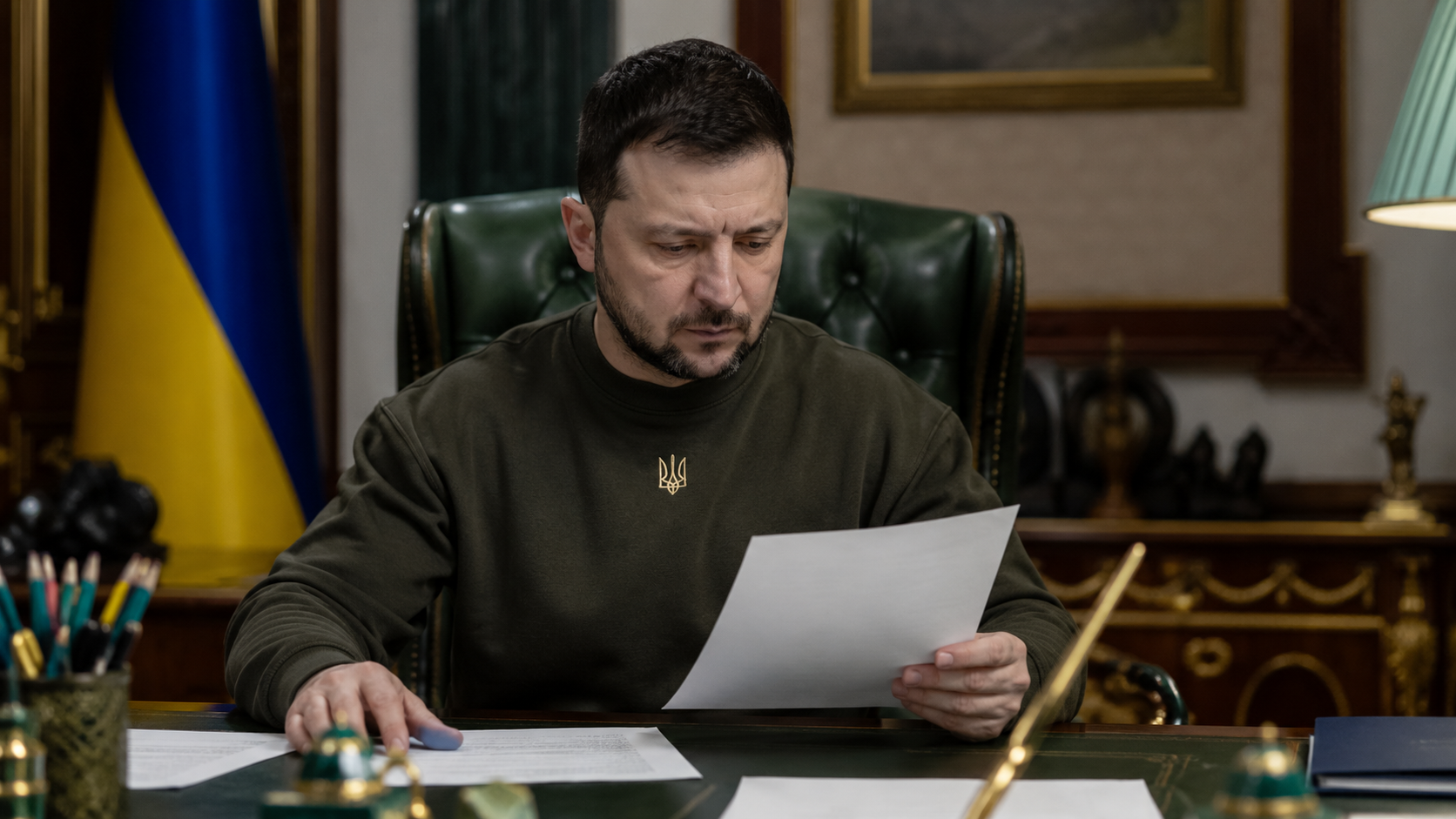
Ukraine military shakeup placed a younger commander over Kyiv’s forces after Zelenskyy dismissed his top general following protests.
President Volodymyr Zelenskyy removed the commander-in-chief on Tuesday, marking what was described as the country’s largest military leadership change since 2024. The decision comes as Ukraine’s wartime command faces pressure from both the battlefield and a public debate over how the war should be managed.
The trigger was not only the top general’s removal. The shakeup followed protests over the dismissal of a popular young defense minister associated with a stronger use of technology in the war against Russia.
A younger commander takes charge
Zelenskyy’s replacement choice is two decades younger than the ousted commander, a detail that gives the decision political weight beyond the chain of command. The appointment points to a generational handoff inside Ukraine’s wartime leadership, where battlefield adaptation has become part of the public argument over competence.
The new commander-in-chief is likely to be read by protesters as a concession to that pressure. It suggests Zelenskyy recognizes that younger officials and commanders, especially those linked to technology and operational change, have gained influence during the war.
The removed general had come to stand for a harsher model of warfare built around endurance, losses and attrition. That image matters because Ukraine’s military strategy is not judged only by territorial outcomes, but also by whether the leadership can preserve morale, manpower and public trust during a grinding conflict.
Technology becomes a political fault line
The dismissed defense minister’s role is central to the political reaction. He had been associated with Ukraine’s embrace of wartime technology, an approach credited in the supplied account with helping Kyiv improve its position against Russia.
That made his removal especially sensitive. For many Ukrainians, technology is not a niche procurement issue; it is tied to battlefield survival, faster decision-making and the belief that smaller or more stretched forces can offset Russian pressure through innovation.
The protests show how military personnel decisions can spill quickly into civilian politics. In wartime, a defense minister or senior commander can become a symbol of a broader strategic argument: whether to rely on established command habits, accelerate younger leadership, or blend both under tighter presidential control.
Zelenskyy’s decision also carries institutional risk. A command reset can create space for new tactics and a clearer leadership message, but it can also unsettle units if officers and soldiers are unsure how priorities will change.
Kyiv faces a command test
The first scenario is that the appointment steadies the political environment. If protesters view the younger commander as proof that Zelenskyy has absorbed their concerns, the presidency could regain room to manage the war effort while keeping technology-focused reforms alive.
Under that path, the global macro effect would likely be indirect rather than immediate. Ukraine’s partners would watch for continuity in command, while the wider defense sector would read the shift as further evidence that battlefield technology and younger operational leadership are becoming central to modern war planning.
A second scenario is that the protests fade but doubts grow inside the military. If the new command struggles to separate reform from disruption, the presidency could face questions about whether political pressure is shaping wartime decisions faster than institutions can absorb them.
That path would matter for the defense industry because procurement priorities could become less predictable. Companies and units focused on drones, battlefield software or other technology-driven systems would look for signs that the new leadership keeps the minister’s innovation agenda intact.
A third scenario is a broader leadership transition inside Ukraine’s wartime state. If the younger commander consolidates authority and connects military discipline with technological adaptation, Zelenskyy could frame the shakeup as renewal rather than rupture.
The open questions are concrete: whether the new commander can command loyalty, whether protesters accept the appointment, and whether technology remains central to Ukraine’s war plan. The answer will shape Kyiv’s military hierarchy, its domestic politics and the way allied defense planners interpret the next phase of the war.