US strikes test Iran truce push as Red Sea risk grows again
US strikes hit Iranian targets as mediators pursue a truce, raising oil and shipping risks around Hormuz and the Red Sea.
Lauren Collins ·
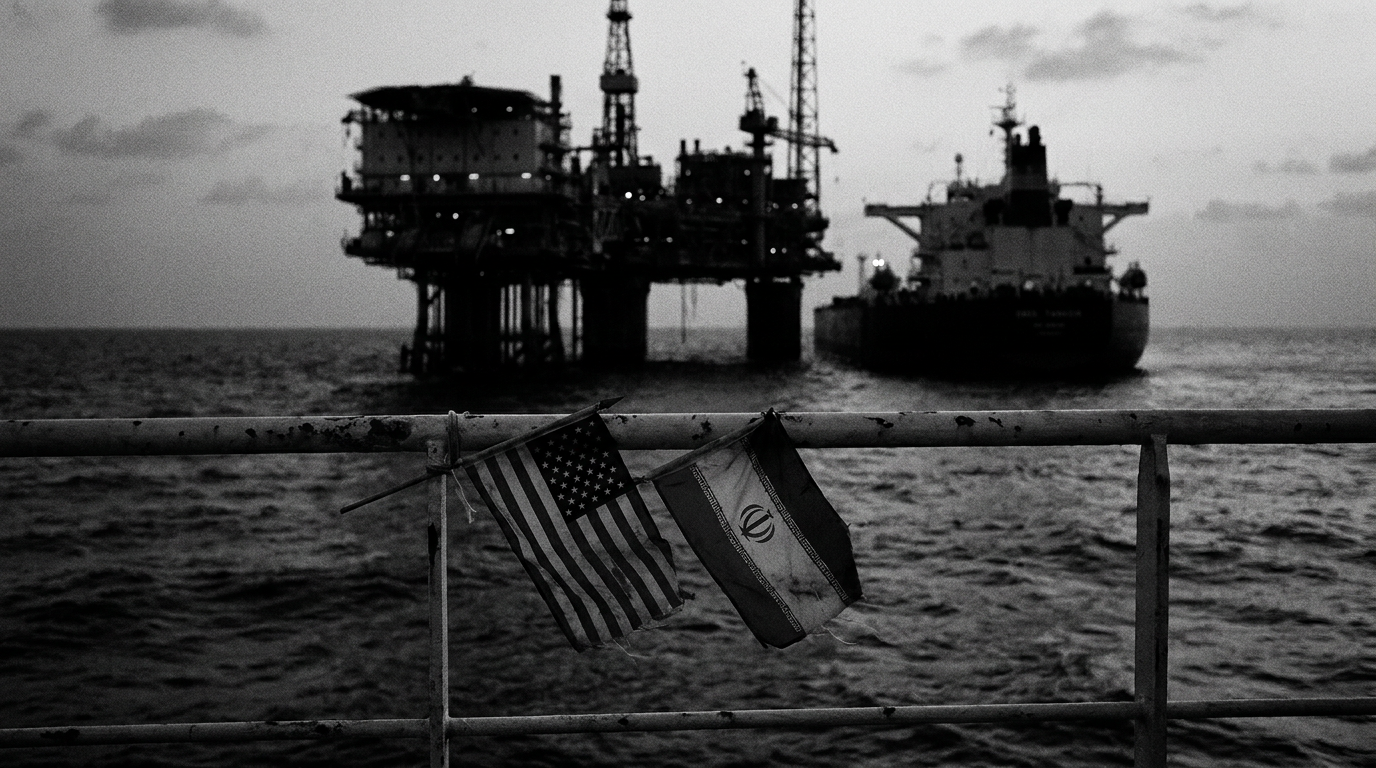
US strikes hit Iranian targets Monday after Trump promised retaliation, while mediators tried to slow a conflict spreading across shipping lanes.
U.S. Central Command said the latest operation began around 4 p.m. ET, extending a run of attacks to a 10th consecutive day. The military action followed President Donald Trump’s public warning after the killing of three U.S. soldiers, which he tied directly to Iran.
Trump wrote on social media: "Every time Iran kills an American Soldier they will pay for that killing many times over!" The post framed the strikes as punishment rather than pressure alone, narrowing the immediate space for diplomacy even as talks continued through intermediaries.
Trump links strikes to soldiers
The timing matters because the battlefield is no longer confined to one front. Tehran-backed Houthi militants in Yemen threatened to blockade Saudi Arabia in the Red Sea, adding another maritime risk to a conflict already centered on the Strait of Hormuz.
Iranian foreign ministry spokesman Esmail Baghaei said mediators had passed along proposals to reduce hostilities, but he did not describe the terms. Tehran also said Interior Minister Eskandar Momeni was traveling to Pakistan on Monday, a move that placed one of the main intermediaries closer to the center of the negotiations.
Qatar and Pakistan have been the main channels between the sides, according to accounts from Iranian officials and semi-official Iranian media. The reported baseline under discussion is a return to positions held before July 9, when fighting over the Strait of Hormuz began and an interim peace arrangement signed last month effectively broke down.
Hormuz fighting resets diplomacy
The Strait of Hormuz is the immediate strategic pressure point because disruptions there can feed directly into energy costs and shipping insurance. The source material does not provide traffic volumes through the waterway, so the article does not size the route beyond the conflict facts given by the parties.
A U.S. official said Trump was focused on punishing Iran for attacks on ships in the Strait of Hormuz. The official said U.S. strikes would continue unless the president chose another course, while diplomatic work aimed at ending the war was still under way.
That dual track leaves mediators trying to build a pause while one side is escalating militarily and the other is signaling regional leverage. For Iran, accepting a truce tied to pre-July 9 positions could ease immediate pressure but may be seen domestically as a retreat if U.S. strikes continue during the process.
Oil prices absorb war risk
Oil markets showed how quickly the conflict is being priced beyond the battlefield. Brent crude moved between gains and losses through Monday’s session before settling about 1.3% higher at $89.22 a barrel, its highest close since June 11.
The market reaction reflects two competing forces: escalation risk around Hormuz and the Red Sea, and the possibility that Qatar and Pakistan can push both sides toward a pause. If shipping threats intensify, traders would likely attach a higher risk premium to crude and refined products; if a ceasefire framework takes hold, some of that premium could fade.
The direct institutional impact falls on U.S. Central Command, which is now sustaining daily operations while diplomacy remains active. A prolonged campaign would raise operational tempo and expose U.S. assets to retaliation; a pause would shift the military burden from strike execution to deterrence and monitoring.
For the wider energy and shipping sectors, the next mechanism is insurance, routing and port confidence rather than battlefield headlines alone. A Houthi attempt to blockade Saudi Arabia in the Red Sea would pressure shipowners and cargo buyers even if oil production itself is not directly hit.
If mediators secure a return to pre-July 9 positions, the macro effect would likely come through lower energy-price volatility and less pressure on import-dependent economies. For the U.S. military, that path would reduce the need for continuous strikes; for energy and shipping firms, it would lower the urgency of rerouting and risk pricing.
If talks fail and attacks continue, the global effect would run through oil prices, freight costs and investor caution toward the region. U.S. Central Command would remain the main executor of Trump’s policy, while shipping, insurance and energy trading desks would face a longer period of uncertainty around Hormuz and the Red Sea.
The open questions are concrete: whether Iran accepts a truce while under fire, whether the Houthi threat becomes an operational blockade, and whether Trump changes course before the strike campaign widens further. Until one of those variables shifts, diplomacy and retaliation are moving in parallel rather than replacing each other.