US diplomats remain in limbo as Iran war expands
Hundreds of U.S. diplomats face uncertain postings after the State Department reduced staffing tied to Iranian attacks on Gulf states.
Mateo Fernandez ·
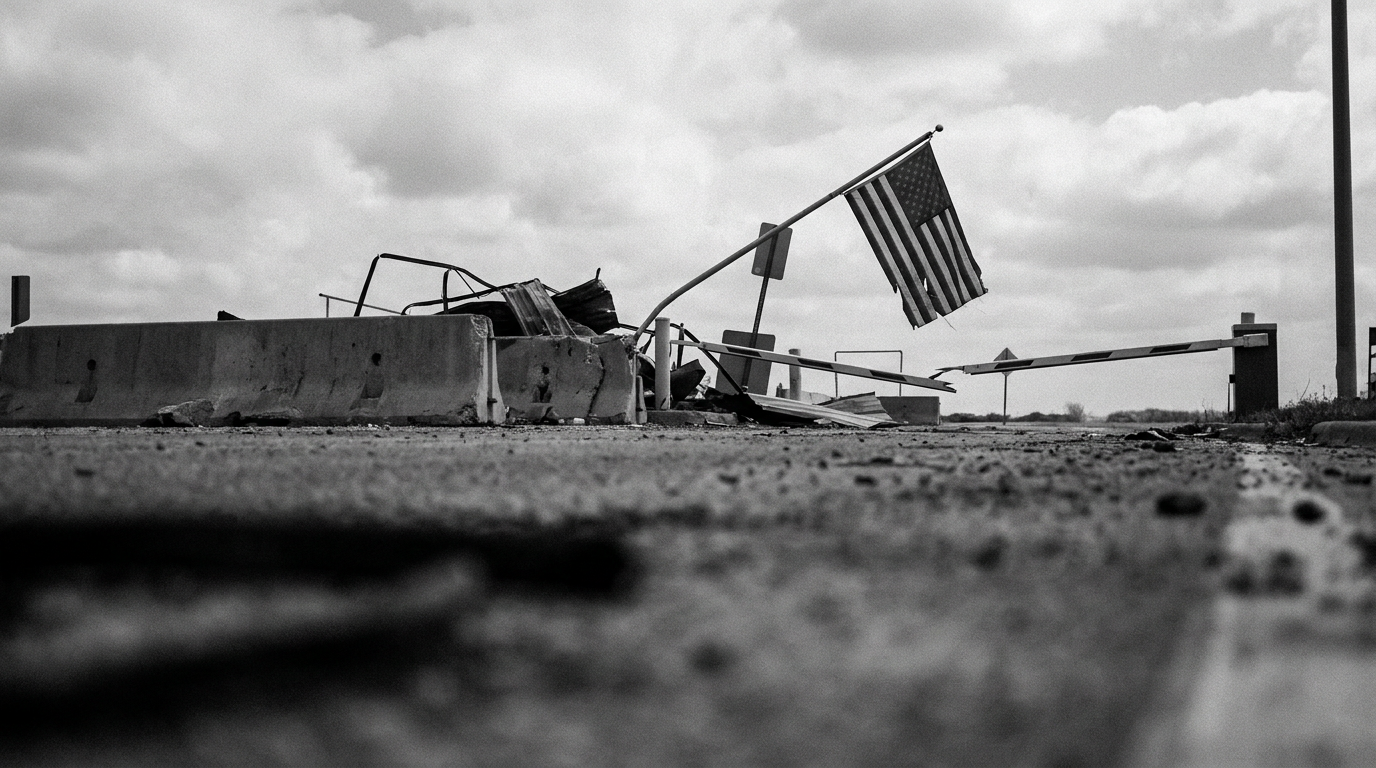
Hundreds of U.S. diplomats remain in limbo after the State Department reduced staffing tied to Iranian attacks on Gulf states, officials said. Reaction pending. The uncertainty leaves U.S. missions managing security, consular work and regional coordination while Washington weighs whether conditions allow a return to normal operations.
The staffing pullback reflects the operational cost of the renewed U.S.-Iran conflict beyond the battlefield. Diplomatic posts in the Gulf are central to military coordination, evacuation planning, visa processing and contact with host governments, so prolonged uncertainty can slow routine work and complicate crisis management.
State Department drawdown strains Gulf posts
Officials said the drawdown followed Iran's attacks on Gulf states, placing hundreds of personnel in temporary uncertainty. The central question is whether reduced staffing is a short security pause or the start of a longer shift in the U.S. diplomatic footprint across the region.
For markets, the geopolitical channel runs through energy security, shipping risk and haven demand rather than a single company balance sheet. If Gulf security conditions stabilize, the macro effect could stay contained, with U.S. missions gradually restoring capacity and the wider energy market treating the disruption as temporary.
If attacks continue, the mechanism changes. Longer staffing limits could reduce diplomatic bandwidth during a regional crisis, raise perceived risk around Gulf infrastructure and shipping corridors, and keep pressure on companies exposed to energy, aviation, defense and political-risk insurance.
The next dated test is whether the State Department issues updated staffing guidance by July 21, 2026, or keeps diplomats in temporary status through the week.