Red Sea attack forces shippers toward longer Africa routes
A Red Sea attack killed six near Bab el-Mandeb, adding pressure to oil shipping already constrained by Iran’s restrictions at Hormuz.
Lauren Collins ·
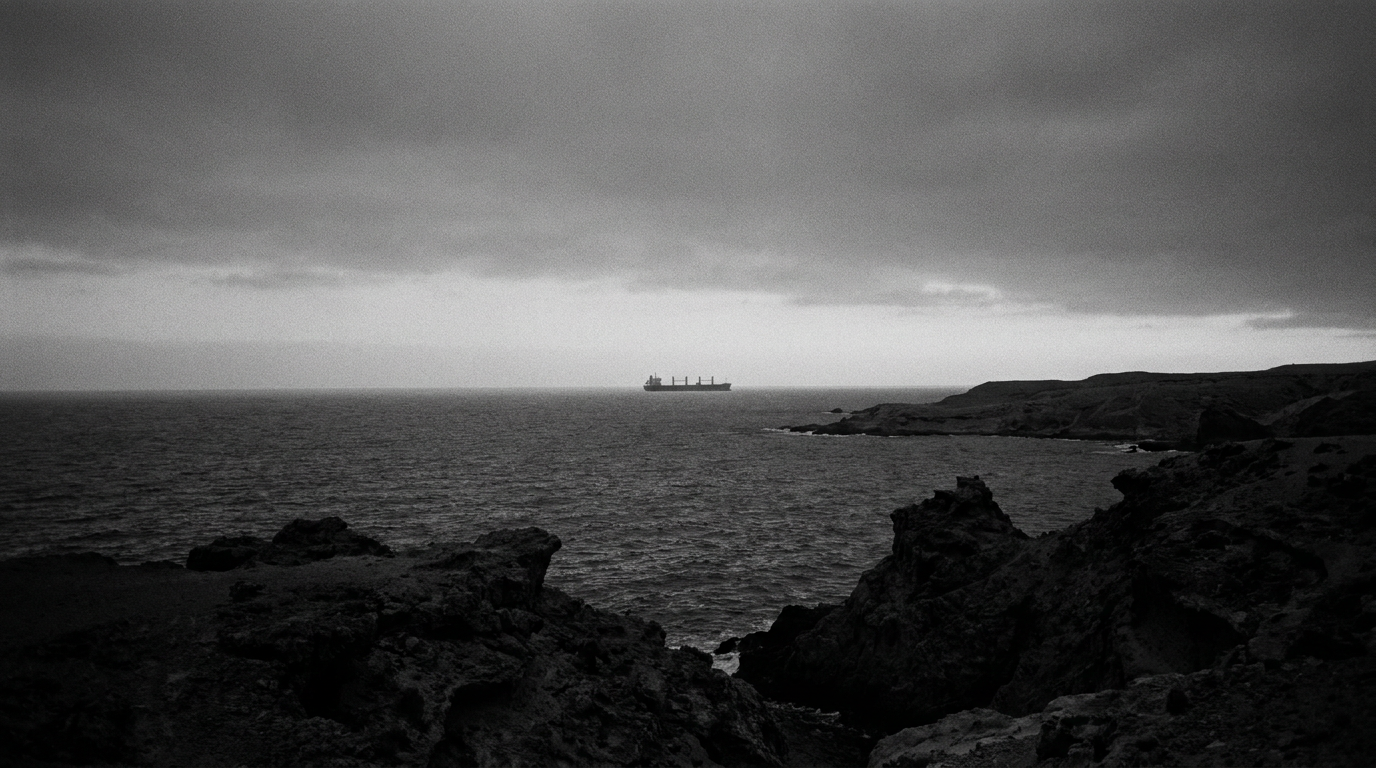
Houthi militants killed six in a Red Sea attack near Bab el-Mandeb, the first deadly strike there in a year for oil shipping.
The attack adds a second chokepoint risk for energy traders already facing restricted movement through the Strait of Hormuz. The supplied account said just six vessels used Hormuz on Monday, compared with a prewar average of more than 130.
Six killed near Bab el-Mandeb
Bab el-Mandeb links the Red Sea with the Gulf of Aden and sits on a route used by cargo ships moving between Asia, Europe and energy-exporting Gulf economies. The Houthi group announced a blockade of the waterway last month, according to the supplied account, before the latest deadly strike.
The same account said traffic through Bab el-Mandeb had already fallen by half before the attack. That leaves shipowners with fewer low-cost options at a time when security, insurance and fuel costs are becoming larger parts of voyage planning.
Hormuz traffic falls to six
The Strait of Hormuz is the other pressure point in the story. Iran’s restrictions there have cut reported vessel passage to six on Monday, against a prewar norm of more than 130, a drop that gives oil buyers less flexibility in timing cargoes from the Gulf.
For oil shippers, the combination matters more than either waterway alone. Hormuz is tied to Gulf exports, while Bab el-Mandeb affects onward movement toward the Suez route; disruption at both can push traders toward longer voyages and different crude sources.
Gulf states are responding by building pipelines, according to the supplied account. The mechanism is direct: pipeline capacity can move crude around maritime chokepoints, reducing exposure to attacks or restrictions at sea, although the account did not provide project costs, capacity figures or completion dates.
Africa routes gain traffic
Ships are also rerouting around Africa, a longer path that can add fuel use, crew time and vessel demand. The supplied account did not provide freight-rate data, but the routing shift points to higher operating intensity for carriers that remain willing to serve affected trades.
Demand for Latin American and US oil is rising as buyers seek barrels less exposed to the Gulf and Red Sea corridor, according to the supplied account. That shift can benefit producers outside the region if Asian and European refiners are willing to pay for longer-haul supply or adjust crude slates.
The industry effect is uneven. Tanker operators may see more ton-miles when vessels sail farther, while refiners face a harder procurement task if familiar Gulf grades arrive later, cost more to move, or become less reliable in delivery schedules.
Ice Silk Road enters calculus
China is starting the first regular Arctic container-shipping service, called the "Ice Silk Road," as warming conditions make the route more usable, according to the supplied account. The Arctic service is not a substitute for oil flows through Hormuz, but it adds another example of trade routes being reconsidered as older corridors become less predictable.
If attacks near Bab el-Mandeb continue and Hormuz remains restricted, the global macro effect would likely come through transport costs and delivery delays rather than a single price channel. The company-level impact would fall on shipowners and oil traders managing insurance, routing and cargo timing; the sector effect would favor routes, pipelines and suppliers outside the disrupted corridor.
If traffic through either chokepoint stabilizes, shipping costs could ease from the most stressed routes, while Gulf exporters would retain more direct access to customers. If the disruptions widen instead, the next pressure point for the industry would be vessel availability, because longer voyages absorb more ships and slow the return of capacity to normal lanes.