

NATO allies reject Hormuz blockade plan
NATO allies reject a U.S.-led Hormuz blockade as Britain and France push diplomacy amid a six-week U.S.-Iran conflict and oil-route disruption.
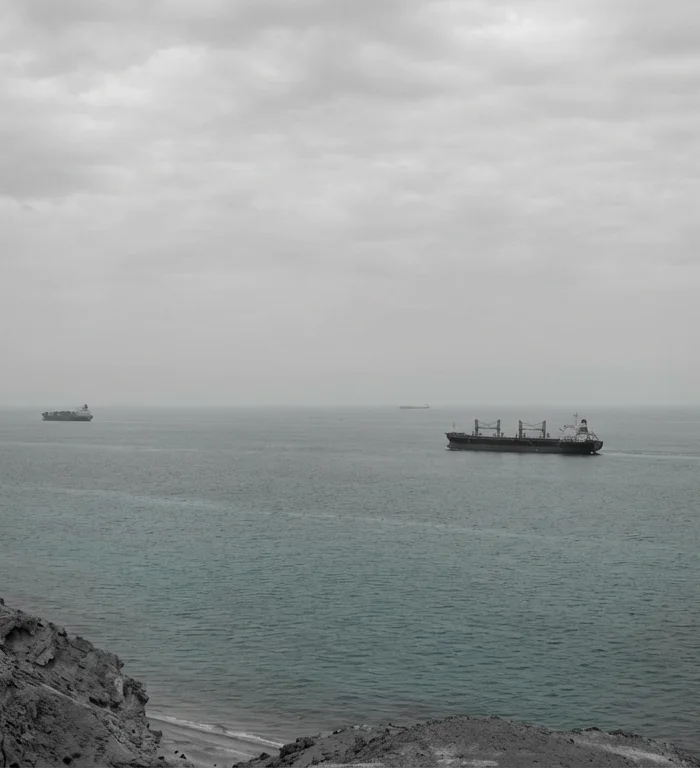
Major NATO allies including Britain and France declined on Monday to join a U.S.-led blockade of the Strait of Hormuz that was initiated by President Donald Trump, according to officials. The decision came after weekend talks failed to end a six-week conflict between the United States and Iran, adding to strains inside the alliance. The developments were reported from LONDON/PARIS on April 13.
The U.S. military said the blockade would begin at 1400 GMT on Monday and would focus on ships traveling to or from Iranian ports. Britain and France, however, stressed that the priority should be diplomacy and restoring access through the waterway. Iran has effectively closed the strait since February 28, a move that has disrupted a route that carries one-fifth of global oil transit.
British Prime Minister Keir Starmer said his government would not be drawn into the conflict. French President Emmanuel Macron said France was working on a multinational mission that would be separate from the belligerents and aimed at restoring navigation in the strait. Macron said the mission would be deployed once conditions permit.
The split over the blockade underscores broader friction between key European allies and the Trump administration. Officials noted that Trump has previously threatened to withdraw from NATO and is considering reducing the U.S. troop presence in Europe. NATO Secretary General Mark Rutte had earlier indicated that Trump wanted concrete commitments from allies related to the Strait of Hormuz.
Several European countries signaled they could consider assistance only after a durable end to hostilities and an agreement with Iran that guarantees the safety of their vessels. For now, Britain and France have framed their position around de-escalation and reopening the waterway rather than joining an operation that targets shipping linked to Iranian ports. The timing and feasibility of any separate multinational mission remain uncertain, as Macron said deployment would depend on conditions.
More stories
- Bardella denies antisemitism claims over teenage messages
- Washington targets China in new tariff push on trade ties
- Eisenkot secures first coalition deal but lacks majority
- Germans oppose Ukraine aid as poll shows support slipping
- Kim Jong-un receives 10 envoys after constitutional shift
- Ukraine claims Libya strike sinks Russian naval corvette
- Turkish Foreign Minister Accuses Israel of Strategically Framing Ankara as a Regional Enemy
- United States Initiates Naval Blockade of Iranian Ports Following Collapse of Peace Talks
Latest news
- Retailers rethink Black Friday as discount fatigue grows
- Japan data centers face lawsuits over residential sites
- S&P puts Nvidia credit rating on watch over board concerns
- Musk pledges two SpaceX shares per child in new US giveaway
- Morocco targets 2030 World Cup final with new stadium bid
- Barclays puts AI bust risk at center of US growth debate
- US inflation reaches 3.8% before December Fed rate meeting
- Türkiye Desk: GTA 6 drains UK mobile spend as Turkish studios feel pressure