

Senate Advances Infrastructure Bill Raising Concerns Over Historic Preservation Standards
The Senate has advanced a bipartisan infrastructure bill aimed at reducing regulatory hurdles, drawing criticism from preservationists concerned about the…
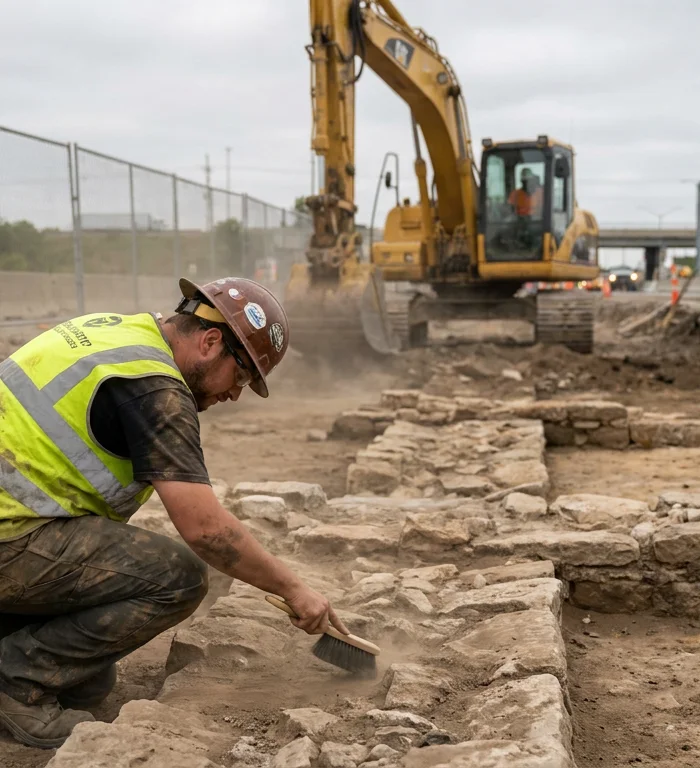
The U.S. Senate has advanced the Bipartisan American Affordability and Jobs Act of 2026 (S.5653) following a 73–25 vote. The legislation, sponsored by a bipartisan coalition including Senators Shelley Moore Capito, Mike Lee, Sheldon Whitehouse, and Martin Heinrich, seeks to streamline regulatory requirements for infrastructure and energy production projects.
Historic preservation organizations have formally opposed the bill, characterizing the proposed regulatory changes as a significant risk to the protection of historic and sacred sites. Critics argue that the reduction of "red tape" may bypass essential environmental and cultural impact assessments currently mandated under existing federal law.
Bipartisan American Affordability
The legislative push occurs during the final weeks of the current Senate session, which concludes on December 18. The expedited timeline suggests a strategic effort to finalize infrastructure policy before the transition to a new Congress on January 3.
For institutional stakeholders, the bill represents a shift in the balance between project development speed and federal oversight. If enacted, the legislation could alter the compliance landscape for energy and infrastructure developers by narrowing the scope of mandatory historic site reviews.
Market participants should monitor the bill’s progress through the remaining legislative window, as changes to federal preservation mandates could introduce new litigation risks for large-scale projects. The tension between infrastructure acceleration and cultural heritage protection remains a primary point of contention that may influence future regulatory enforcement and judicial challenges.
More stories
- FCC approves prison cellphone jamming despite 2.5-mile warning
- Congress tests Black Democrats' growing policy influence
- Cotton faults Lutnick over AI chips allegedly sent to China
- Vance declines to back Iran strikes as Trump defends war
- Paul seeks 20%-30% federal credit for U.S. film shoots
- Trump targets data centers abroad with tax threat to firms
- Nvidia's Huang gets Trump backing as spy allegations widen
- Trump staff shake-up puts Miller in Wiles’ White House position
Latest news
- Trump prepares tariffs on China and other major exporters
- New-car buyers pay record average $50,087 in October
- Banks face ECB reserve debate over liquidity and profits
- Investors see Anthropic debut gains fade below $83 a share
- Iraq orders federal control over Kurdish-area oilfields
- Germans oppose Ukraine aid as poll shows support slipping
- Kim Jong-un receives 10 envoys after constitutional shift
- Ukraine claims Libya strike sinks Russian naval corvette