Middle East strikes widen as US hits Iran targets again
Middle East strikes widened as the US hit Iranian targets after Tehran targeted American bases in Jordan, reviving regional escalation risks.
Omar Farouk ·
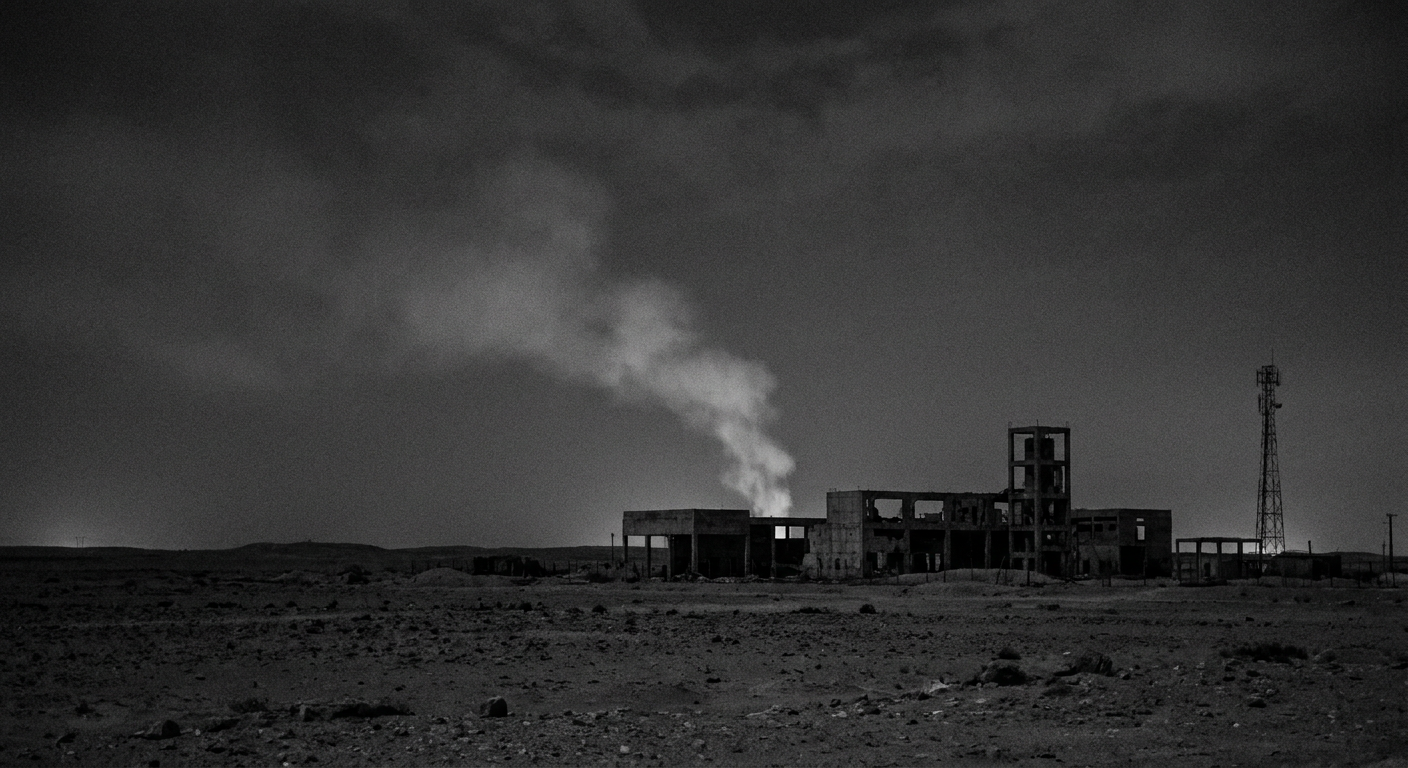
Middle East strikes widened Thursday as the US said it hit Iranian targets after Tehran targeted American bases in Jordan. The exchange revived escalation risk.
The US military said it completed a "heavy wave of strikes" against Iran, framing the operation as retaliation for attacks on American positions in Jordan. The renewed action followed a days-long pause in direct violence between the two sides, according to the source account.
President Trump’s warning preceded strikes
The latest US action came hours after President Trump said Iran would be hit "very hard" if it continued to target American forces. That sequence matters because the warning narrowed the space for de-escalation once Washington said its bases had been attacked.
US Central Command said American forces struck dozens of Islamic Revolutionary Guard Corps targets, including military command sites. The attribution points to a campaign aimed at Iran’s military infrastructure rather than a single symbolic response.
Iranian provincial authorities, cited by state media, reported strikes across south-western Khuzestan province and on Qeshm island in the Gulf. The reported locations included areas around Abadan, Shadegan, Arvandkenar and Ahvaz, all in Khuzestan.
Jordan says five missiles were stopped
Jordan’s military said it foiled an Iranian attempt to target the kingdom with five missiles. It also said there were no casualties, a detail that may limit immediate domestic pressure in Amman while still raising the security stakes.
Jordan sits at the center of the latest escalation because the source account says American bases there were targeted. For Washington, an attack on forces stationed in a partner country creates both a military problem and a diplomatic one: protecting personnel without pulling Jordan deeper into the conflict.
The absence of reported casualties in Jordan does not remove the risk of further retaliation. It changes the immediate calculation by lowering the human toll, while leaving the underlying challenge intact: Iranian-linked attacks on US positions and American strikes on Iranian military assets.
Khuzestan and Qeshm widen the map
The reported strikes in Khuzestan are important because the province borders Iraq and includes several cities named by local authorities. Qeshm island adds a Gulf dimension, placing the reported damage near waters closely watched by energy traders, shippers and regional militaries.
No company was identified in the source account, so the direct actors are states and military institutions rather than a named corporate target. The sector exposure is still clear: defense planning, shipping risk assessments and energy-market monitoring all become more sensitive when strikes expand toward Gulf-linked locations.
If the exchange remains limited to military facilities and intercepted attacks, the global macro effect may be contained through risk premiums rather than physical disruption. Under that path, US forces would focus on force protection, Iran would weigh the cost of direct escalation, and regional shipping and insurance desks would adjust pricing for uncertainty.
If attacks instead spread to wider infrastructure or produce casualties, the mechanism changes. Global markets would likely focus more sharply on Gulf transit risk, the US military would face pressure for a broader response, and the defense and energy sectors would prepare for higher operating and security costs.
A third path is a renewed pause, either through back-channel restraint or mutual limits on target selection. In that case, the macro impact would fade first, the US and Iran would test whether deterrence held, and regional industries would remain cautious until missile activity and strike reports decline.
The open questions are specific: whether Iran responds directly, whether US forces conduct additional strikes, and whether Jordan reports further attempted attacks. Those answers will determine whether Thursday’s strikes mark a contained reprisal or the start of another escalation cycle.