Lebanon says IDF fired near its troops during south Lebanon pilot pullout
Lebanon’s army says Israeli forces opened fire near its troops during a “pilot program” pullout in southern Lebanon, raising the risk that a fragile…
Omar Farouk ·
# Lebanon says IDF fired near its troops during south Lebanon pilot pullout
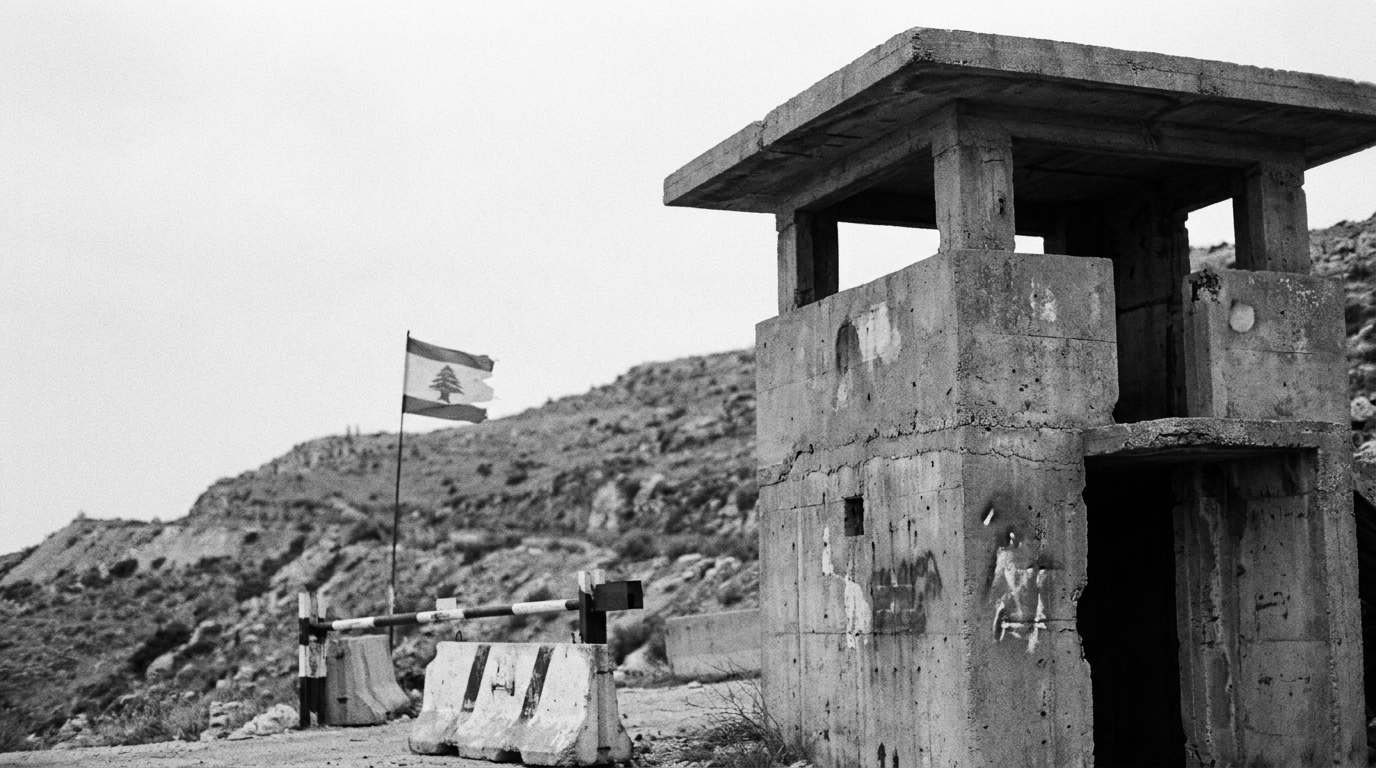
Lebanon’s Armed Forces (LAF) said Israeli troops opened fire near its soldiers during a pullout from a designated “pilot zone” in southern Lebanon, an incident that Beirut says occurred as its forces were moving in to verify the area had been cleared of Hezbollah operatives and weapons. The claim, reported by the Lebanese Army and carried by Israeli media on July 21, adds friction to a border front that has repeatedly flared since the Gaza war began.
Armed Forces
The LAF did not, in the information provided, give casualty figures or precise coordinates. Israel’s military response was not included in the signal, and the account remains disputed pending any independent verification.
The LAF is Lebanon’s national army; Hezbollah is the Iran-backed armed group and political party that describes itself as a “resistance” movement against Israel. The Israel-Lebanon border has seen regular exchanges of fire since October 7, 2023, when Hamas attacked Israel and Israel launched its Gaza campaign. Hezbollah has said it is acting in support of Gaza, while Israel says it is responding to attacks and preventing Hezbollah entrenchment near its border.
The “pilot program” referenced by the Lebanese Army appears to be a localized de-confliction arrangement in which Lebanese troops enter specified southern areas after an Israeli pullback to confirm there are no Hezbollah fighters or weapons present, according to the signal summary. The signal did not specify whether this mechanism is linked to any formal written agreement, nor whether it is coordinated with the United Nations Interim Force in Lebanon (UNIFIL), the UN mission mandated to monitor the cessation of hostilities along the Blue Line demarcation.
If Beirut’s account holds
An incident involving fire near uniformed LAF troops is politically and militarily sensitive because it implicates the state institution that many external partners treat as Lebanon’s main counterweight to non-state armed groups. If Beirut’s account holds, it risks narrowing the space for practical de-escalation steps on the ground, including verification missions intended to reduce the chance of Hezbollah deployments close to Israeli positions.
The wider spillover risk runs through miscalculation and escalation dynamics on the Israel-Lebanon front, which sits near key regional chokepoints for energy and shipping. While the Israel-Lebanon theater does not directly control maritime lanes like the Strait of Hormuz or the Bab al-Mandab, any broader regional escalation involving Iran-aligned groups can transmit quickly into shipping risk perceptions, insurance costs, and oil price volatility. It also tests alliances: Western and Gulf states have backed the LAF financially and politically at various points, while Israel insists it must keep pressure on Hezbollah’s capabilities near its border.
By 2024-08-20, watch for a public UNIFIL statement confirming whether it is investigating the episode and what it can verify, as well as any formal Israeli military or government response addressing the LAF claim. Also track observable changes on the ground: reinforced deployments, new engagement zones, or a measurable uptick in cross-border incidents. If UNIFIL confirms the incident and attributes responsibility, or if either side expands military action beyond the reported context, the pilot mechanism could freeze and the risk of a wider clash rises; if the incident is downplayed or clarified through UNIFIL or diplomatic channels without follow-on engagements, the pilot verification effort may continue with tighter coordination.