John Brennan lawsuit targets Trump inquiry records fight
John Brennan lawsuit seeks preservation of Justice Department records as the former CIA director prepares to challenge any indictment as vindictive.
Lauren Collins ·
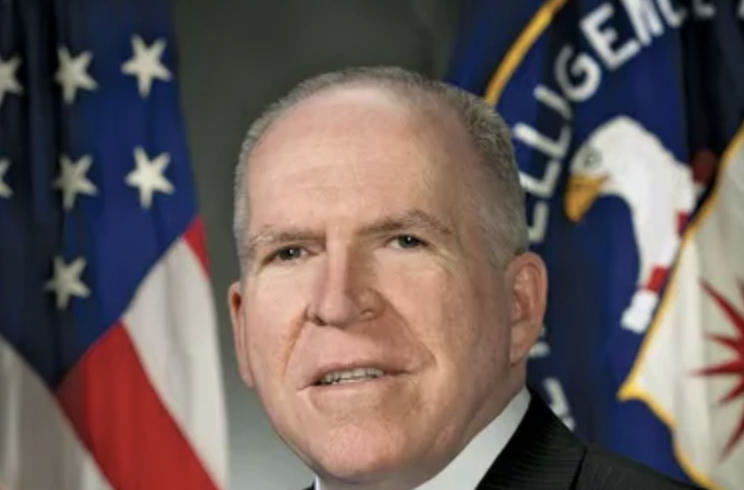
John Brennan lawsuit seeks preservation of Trump administration investigative records before any potential indictment fight over alleged retaliation.
The former CIA director asked a federal court Wednesday to make officials keep materials tied to criminal inquiries involving him, according to his lawyers. Brennan has not been charged in the source text, and the filing is framed as preparation for a possible defense if prosecutors later bring a case.
Records become the first battleground
Brennan's legal team argues that preserved documents would be needed to test whether any prosecution was driven by political payback rather than ordinary law-enforcement judgment. The complaint says a judge would need access to the records to evaluate whether officials were motivated by a retaliatory purpose.
The lawsuit turns on timing as much as substance. Brennan's lawyers filed before any indictment, saying the record of public attacks and official conduct could be lost or altered unless the court intervenes early.
Trump statements frame the claim
The complaint points to more than 100 public remarks by President Trump since 2017 criticizing or disparaging Brennan, who led the CIA during President Barack Obama's administration. Brennan's lawyers wrote that "The evidence of vindictiveness in this matter is overwhelming," according to the filing language provided in the source.
The filing also accuses senior officials of describing Brennan as a criminal before charges exist. His lawyers alleged that "Certain officials in the Department of Justice are engaging in demonstrably irregular prosecutorial activity in order to gin up a case that will satisfy the President's direction."
The Justice Department did not confirm whether Brennan is under investigation. A department spokeswoman said, "While we cannot comment on the existence, or lack thereof, of an investigation, it is certainly rich that John Brennan is accusing anyone of a 'retribution campaign.'"
Earlier cases shape the stakes
Brennan's filing lands alongside other disputes involving prominent Trump critics. The source text says the department has pursued matters involving former Federal Bureau of Investigation Director James Comey and New York Attorney General Letitia James, a Democrat.
Comey and James each argued that their cases were retaliatory, according to the source. A judge dismissed those matters before reaching the vindictive-prosecution argument, leaving unresolved how far courts will go in reviewing claims of politically motivated enforcement.
If Brennan wins a preservation order, the immediate effect would be procedural: investigators and prosecutors would face a court-backed duty to keep records that might later be used to test intent. For Brennan, that would strengthen the documentary basis for any future motion; for the Justice Department, it would raise the cost of informal or poorly documented decisions in politically sensitive cases.
If the court rejects the request, Brennan would still be able to contest any future indictment, but with less assurance that internal materials remain intact. For the wider law-enforcement sector, the mechanism is clear: fewer preservation requirements could leave more disputes turning on public statements, charging records and testimony rather than contemporaneous internal files.
If prosecutors bring no charge, the case may become a records-preservation fight without an underlying criminal trial. If charges are filed, the lawsuit could become an early test of how courts separate legitimate prosecution from retribution claims in cases involving former national-security officials and presidential critics.