Iran missile attack kills U.S. soldiers at Jordan base site
Iran missile attack hit U.S. troop housing in Jordan, killing two soldiers and sharpening scrutiny of American defenses in the region.
Lauren Collins ·
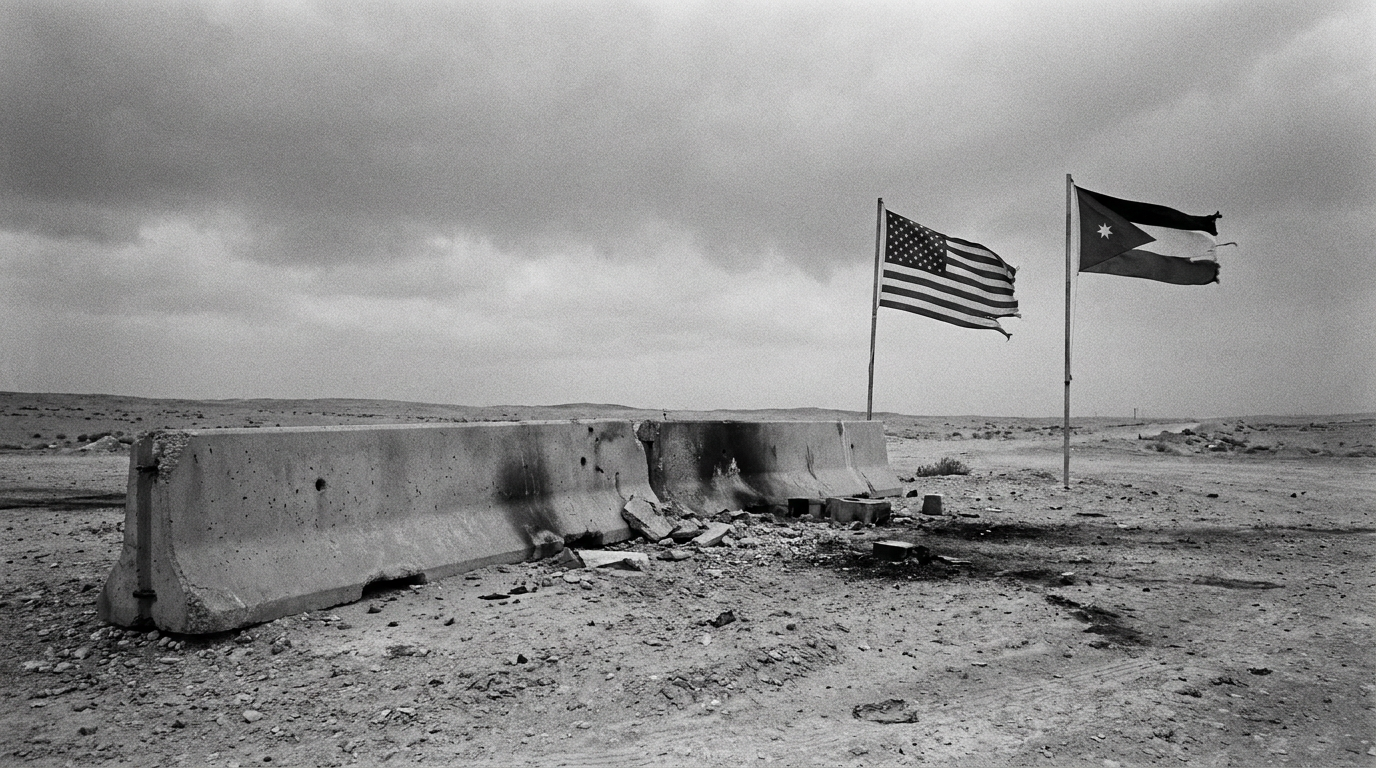
Iran missile attack hit U.S. troop housing in Jordan, killing two soldiers and sharpening scrutiny of American defenses in the region.
U.S. officials said the ballistic missile struck prefabricated quarters used by service members at Muwaffaq Salti Air Base. Officials described the fatal strike as part of a 24-hour sequence last week in which three Iranian missiles reached the base.
Housing units took direct hits
The soldiers killed were assigned to Army air and missile defense units, according to the officials. A third set of remains was also found at the location and is being examined, leaving the final casualty count unresolved.
The housing area matters because troops at the base live in structures known as containerized housing units, or CHUs. U.S. officials have not released evidence showing Iran deliberately selected those quarters to maximize casualties, a distinction that could shape the political and military response.
Three strikes test defenses
The first missile strike in the sequence sent debris into the base gym, officials said. Warning sirens sounded early enough for personnel to move toward bunkers, but some were wounded while trying to reach shelter.
The ability of three missiles to penetrate defenses has intensified concern about protecting the estimated 50,000 U.S. troops stationed across the region. The challenge is sharper because the reporting described Iran as using very fast ballistic missiles, drones and maneuverable weapons that are harder to intercept late in flight.
Trump orders new retaliation
President Trump warned on Monday that Iran would face a U.S. response after the deaths. "Every time Iran kills an American Soldier they will pay for that killing many times over! This directive has been passed on to Secretary of War, Pete Hegseth, Chairman of the Joint Chiefs of Staff, Daniel Caine, and every Leader in the Military," Trump wrote on social media.
Shortly after that message, the U.S. military said it carried out another round of strikes aimed at reducing Iran’s capacity to threaten merchant vessels in the Strait of Hormuz. U.S. Central Command, which oversees American forces in the Middle East, declined to comment on the damage caused at the Jordanian base.
Iranian accounts have circulated satellite imagery that they said shows damage at Muwaffaq Salti, including what appears to be a housing zone. A statement attributed to Mojtaba Khamenei warned of "unforgettable lessons" if U.S. strikes on Iran continue.
Hormuz risk widens the stakes
The immediate issue is force protection, but the wider risk is a cycle linking base attacks, U.S. retaliation and threats to commercial shipping. If Iran keeps firing ballistic missiles and drones at U.S. positions, Washington is likely to face pressure to expand strikes, which could raise costs for the U.S. military and defense suppliers tied to interceptors, surveillance and base hardening.
If U.S. strikes reduce Iran’s ability to disrupt shipping, the macro effect would be to limit pressure on energy markets and maritime insurance. For the U.S. military, that path would support deterrence without forcing large troop relocations, while the defense sector would still see demand for missile defense, radar and counter-drone systems.
If Iranian missiles continue to evade defenses, the mechanism shifts. More successful hits would push commanders to disperse personnel, reinforce shelters and spend more on layered air defense, while global markets would watch Hormuz for any sign that military escalation is spilling into trade routes.