Rubio: Iran Talks Could Last Days; Strait of Hormuz Access Remains U.S. Priority
Marco Rubio: US-Iran talks may continue for days amid fresh Strait of Hormuz strikes, combining diplomacy with military pressure.
Lauren Collins ·
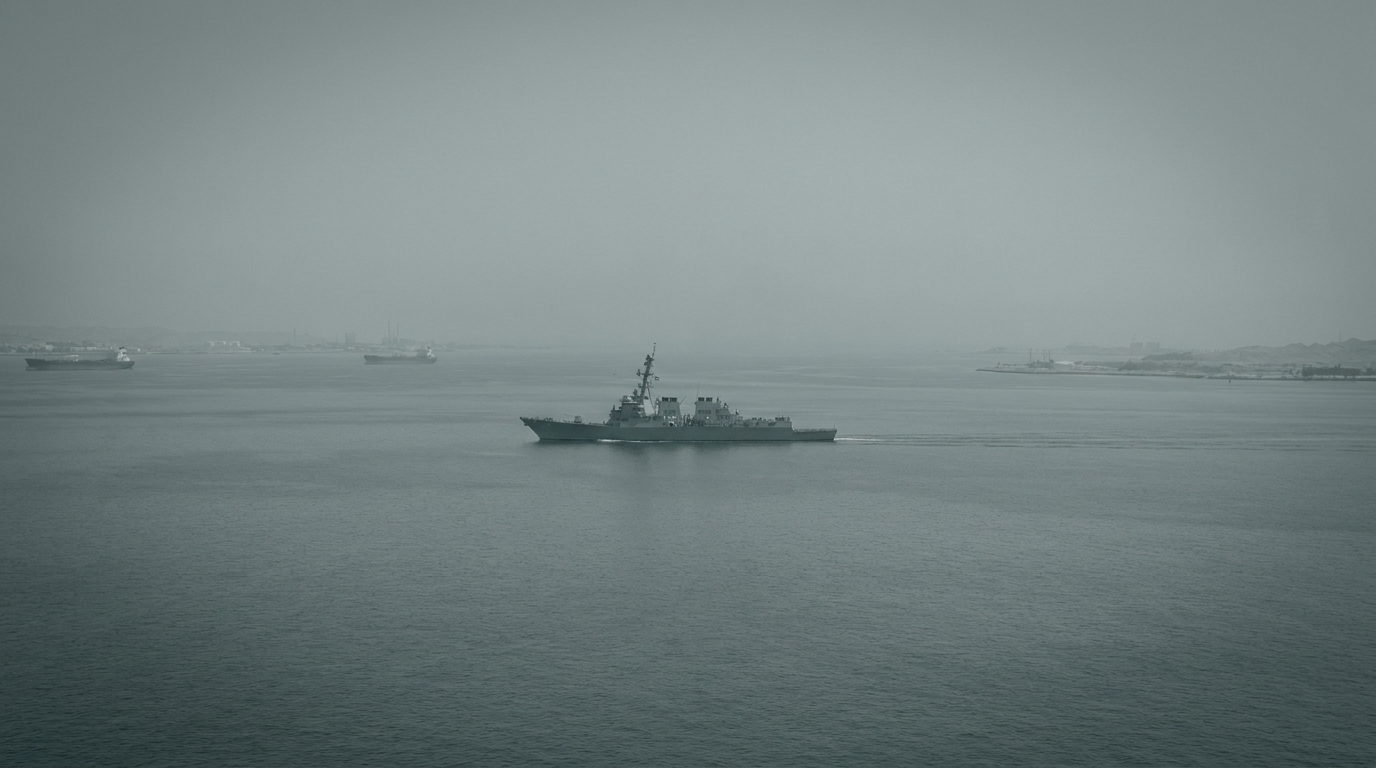
Secretary of State Marco Rubio said Tuesday that negotiations with Iran were unlikely to produce an immediate breakthrough, tempering expectations that diplomacy could quickly end a conflict that has disrupted shipping and energy markets across the Gulf. Speaking to reporters aboard his plane in Jaipur, India, Rubio said talks could continue “for a few days” while insisting the Strait of Hormuz would remain open under any outcome.
His comments came one day after U.S. forces carried out what Washington described as defensive military operations in southern Iran. According to U.S. Central Command, the strikes targeted missile launch positions and vessels allegedly attempting to place naval mines near critical shipping routes. Rubio framed the operation as part of a broader effort to guarantee freedom of navigation through the narrow waterway that handles a large share of global oil exports.
Mines, Missiles and Maritime Pressure
The latest military activity underscored how fragile the regional ceasefire remains despite diplomatic engagement underway in Doha. Although a truce has technically been in place since early April, both Washington and Tehran continue to accuse each other of hostile actions, and the U.S. has maintained that it reserves the right to strike threats against its forces and maritime traffic.
Iranian state media reported Monday that the country’s military had shot down what it described as a hostile stealth drone using a newly deployed air-defense system. Tehran did not identify the aircraft’s origin or location, but the announcement appeared intended to demonstrate that Iran retains operational military capabilities even while negotiations continue.
At the same time, President Donald Trump signaled that diplomacy remains his preferred route, though only under strict conditions. In a lengthy Truth Social post Monday, Trump said discussions with Tehran were progressing “nicely” while warning that the U.S. was prepared to resume attacks if negotiations collapsed.
Doha’s Uranium Discussions
Behind the scenes, negotiators from Iran and the United States are attempting to build a framework that addresses both maritime security and Tehran’s nuclear program. Iranian Foreign Minister Abbas Araghchi and Tehran’s top negotiator traveled to Doha for talks with Qatari officials, according to a source briefed on the meetings.
Those discussions reportedly centered on two of the most contentious issues in the conflict: access through the Strait of Hormuz and Iran’s stockpile of highly enriched uranium. Iran’s central bank governor also participated in meetings tied to the possible release of frozen Iranian assets, suggesting that sanctions relief and financial normalization are emerging as central bargaining points.
Iranian Foreign Ministry spokesperson Esmaeil Baghaei said nuclear issues would only be addressed after a broader framework agreement is reached. That sequencing reflects Tehran’s longstanding position that broader political and economic guarantees must accompany any restrictions on its nuclear activity.
Shipping Routes Under Strain
The Strait of Hormuz has become the economic center of the crisis because of its role in transporting roughly one-fifth of the world’s oil and liquefied natural gas supplies. Since U.S. and Israeli strikes began on Iran in late February, maritime traffic through the waterway has fallen sharply.
Only a few dozen ships are currently transiting the corridor each day, compared with roughly 125 to 140 vessels before the conflict escalated. The decline has disrupted supply chains and contributed to higher fuel, fertilizer and food costs in several regions dependent on Gulf energy exports.
Baghaei said any future agreement would not involve tolls for ships using the strait, though Iran could charge fees for navigation assistance and environmental protection services under a protocol expected to involve neighboring Oman. The arrangement would effectively formalize a managed reopening process while allowing Tehran to preserve some economic leverage.
Oil Markets React to Uneasy Calm
Energy markets have been highly sensitive to every signal emerging from the negotiations. Crude prices surged after the initial strikes in February as traders feared a prolonged closure of Hormuz or direct attacks on oil infrastructure across the Gulf.
By Tuesday, U.S. benchmark West Texas Intermediate crude had edged slightly higher in Asian trading compared with Monday’s settlement, though prices remained well below the peaks reached last week. Investors appear to be weighing the possibility of a negotiated settlement against the risk that military incidents could rapidly escalate again.
The uncertainty extends beyond oil. Shipping insurers have raised premiums for vessels entering the Gulf, while importers in Asia and Europe are facing higher transportation costs and delays. Analysts say even a partial reopening of Hormuz would help stabilize commodity prices, but confidence is unlikely to fully return until military activity subsides.
Netanyahu Opens a Second Front
The regional picture has grown more complicated as Israel intensifies operations against Iran-backed Hezbollah forces in Lebanon. Israeli Prime Minister Benjamin Netanyahu said Monday that Israel would expand strikes against Hezbollah targets despite a separate ceasefire arrangement reached in April.
Shortly afterward, the Israeli military announced attacks on Hezbollah infrastructure in the Bekaa Valley and other parts of eastern Lebanon. Israel maintains that those operations are defensive measures aimed at preventing future cross-border attacks, while Hezbollah was not formally included in the Lebanon truce framework.
The widening geographic scope of the conflict raises concerns that even a successful U.S.-Iran agreement may not fully stabilize the region. Gulf officials and diplomats have warned privately that proxy conflicts involving Hezbollah and other Iran-aligned groups could continue regardless of what happens in Doha.
Thirty-Day Hormuz Proposal
One emerging proposal could offer insight into how negotiators are attempting to phase down the confrontation. Japan’s Nikkei newspaper, citing a Middle East diplomatic source, reported that Washington and Tehran are discussing a plan to reopen the Strait of Hormuz roughly 30 days after a broader agreement is reached.
That timeline suggests both sides remain cautious about implementation and verification. The Trump administration’s central demand continues to be preventing Iran from developing a nuclear weapon, while Tehran insists its uranium enrichment program is intended solely for civilian purposes.
The next several days may determine whether diplomacy can outpace military escalation. While Rubio described the negotiations as serious and substantive, the continued exchange of strikes, drone incidents and proxy attacks illustrates how narrow the margin for error remains. Even a limited miscalculation in the Gulf could quickly disrupt energy markets and draw additional regional actors deeper into the conflict.