Ukraine Demands Full EU Voice, Rejects Associate Status
Ukraine's President Zelenskiy rejected Germany's proposal for associate EU membership, demanding full rights and a voice in the bloc.
Lauren Collins ·
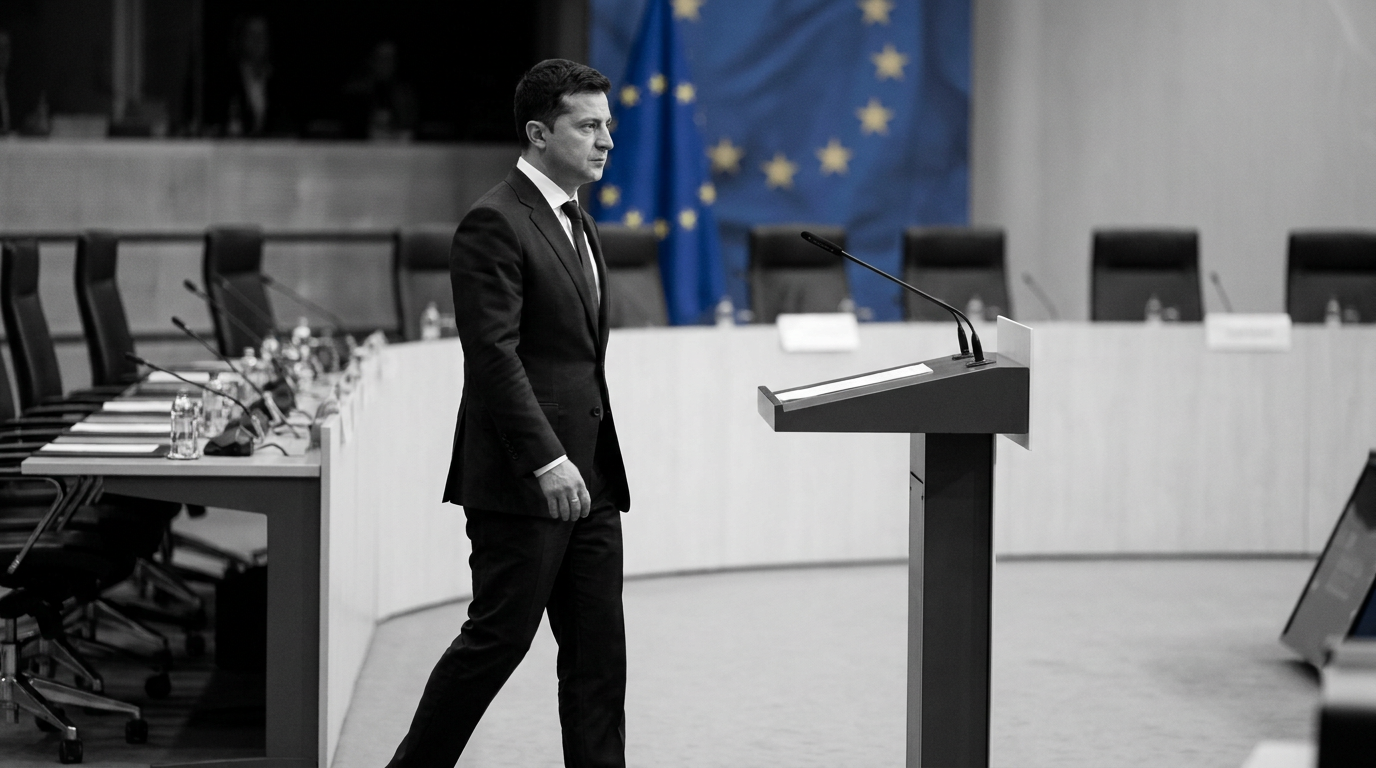
Ukrainian President Volodymyr Zelenskiy has voiced strong opposition to a German proposal suggesting an "associate member" status for Ukraine within the European Union. This interim step, which would allow participation in EU meetings without voting rights, was deemed "unfair" by Zelenskiy, who insists on full membership rights and a decisive voice in the bloc's decisions.
The German suggestion, reportedly put forward by Chancellor Friedrich Merz, aimed to bridge the gap between Ukraine's current candidate status and full accession. It proposed giving Ukraine non-voting representation in the European Parliament and European Commission, alongside a security guarantee leveraging the EU's mutual assistance clause. Merz suggested this could facilitate a peace deal to end the ongoing conflict.
Ukraine's Stance on Full Membership
In a letter addressed to key EU leaders, including the Presidents of the European Council and Commission, Zelenskiy emphasized Ukraine's significant contributions to European security. He argued that Ukraine is actively defending the entire 27-nation bloc against Russian aggression and therefore deserves equal rights and a substantive role.
Zelenskiy highlighted progress on reforms required for EU accession, acknowledging that integration takes time but asserting that past enlargements demonstrate the possibility of granting full rights during the integration process.
The Ukrainian leader also noted the departure of Hungarian Prime Minister Viktor Orbán from his staunch opposition to Ukraine's EU ambitions, creating what he sees as an opportune moment for genuine progress on accession talks. Zelenskiy stated that Ukraine is defending Europe fully and not with half-measures, positioning the nation as a bulwark against attempts to destabilize European unity and progress.
EU Diplomatic Caution and Accessions Realities
European Union diplomats have reacted with caution to the German proposal, with some noting that an "associate member" status does not officially exist within the EU framework. Such a development could necessitate treaty modifications, a complex and lengthy process. Officials also questioned the proposal's relevance now that Hungary's initial objections have been reportedly lifted, suggesting that focusing on advancing full membership negotiations might be more productive.
Many European officials privately acknowledge that full EU membership for Ukraine is unlikely in the immediate future. The accession process, which involves ratification by all 27 member states, is historically protracted and fraught with potential obstacles. While a target date of 2027 was mentioned in a peace plan, the practical realities of meeting all accession criteria and securing unanimous political agreement remain significant challenges.
Despite these reservations, some diplomats view the German initiative as a potential mechanism to accelerate Ukraine's integration without jeopardizing the ultimate goal of full membership. The proposal also included a commitment to apply the bloc's mutual defence clause to Ukraine, offering a form of security assurance during the accession period. The feasibility and potential impact of such an interim arrangement remain points of discussion among member states.
A clear path towards EU integration is seen by analysts as crucial for President Zelenskiy to garner domestic support for any potential peace settlement. This is especially pertinent if a settlement does not result in Ukraine regaining full territorial control or joining NATO. The ongoing debate underscores the complex balancing act the EU faces in supporting Ukraine while managing its internal institutional processes and geopolitical realities.