US-Iran talks gain as Qatar cites new Doha memo progress
US-Iran talks in Doha advanced through mediators, while Tehran warned Israel against any attack and nuclear discussions were expected to follow.
Lauren Collins ·
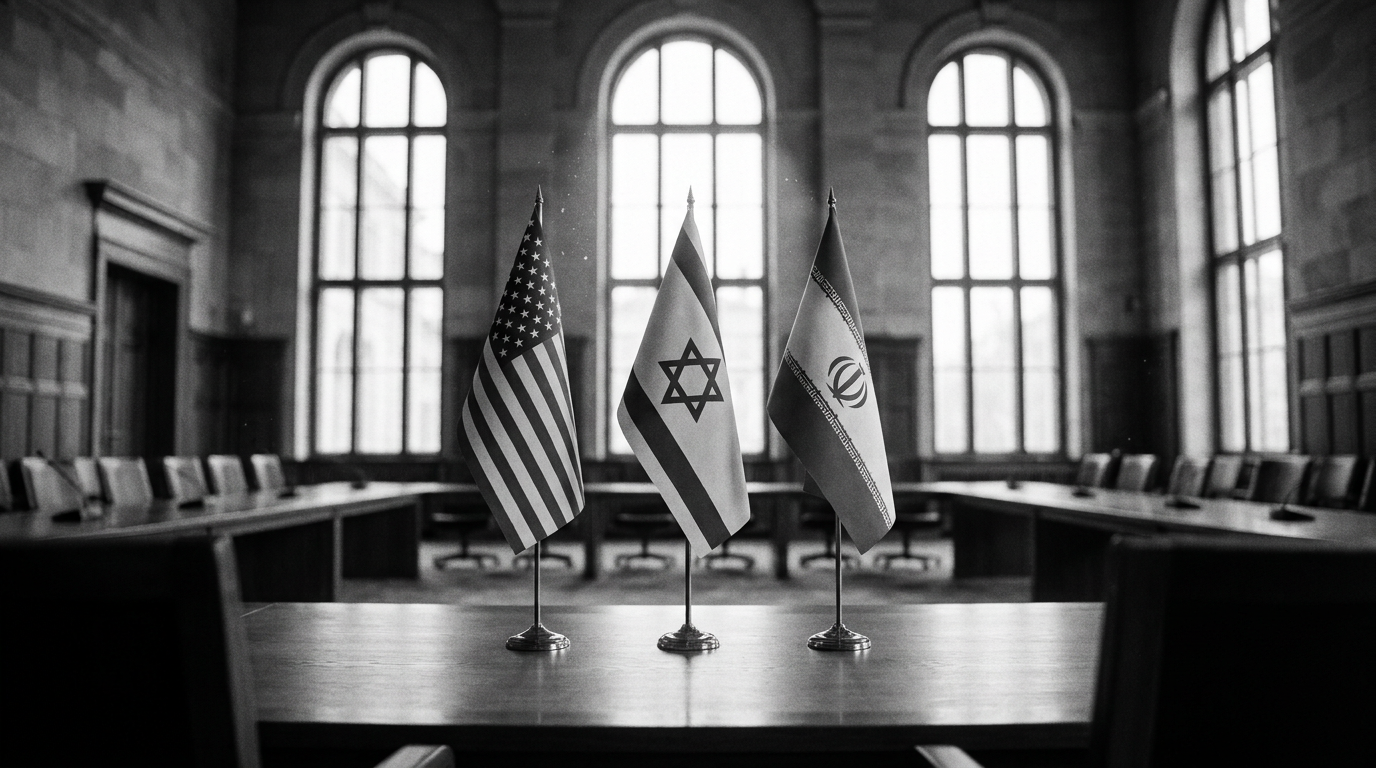
US-Iran talks in Doha advanced through mediators as Qatar reported progress on memorandum issues. Tehran’s threats kept the diplomacy fragile.
Qatar said Wednesday that meetings involving U.S. officials and Iranian negotiators, conducted through intermediaries in Doha, had produced "positive progress" on matters linked to a memorandum of understanding. The statement indicated the channel would remain active, rather than closing after a single round.
The immediate shift is procedural but important: the two sides are not yet described as negotiating directly, and the source material does not say a final text has been reached. It does show that mediators have enough room to keep both delegations engaged on technical questions.
Doha channel stays open
A diplomatic source said lower-level technical exchanges are also taking place, with U.S. and Iranian officials communicating indirectly through Qatari and Pakistani mediators. That format gives both capitals political distance while allowing specialists to address details that senior officials may later approve or reject.
Vice President JD Vance said the Doha talks are "going well" and added that discussions on the nuclear issue would begin soon. His comments place the current memorandum track ahead of the more sensitive nuclear file, which has long defined the strategic dispute between Washington and Tehran.
The sequencing matters because technical talks can narrow language before public positions harden. If negotiators can settle procedural points first, the nuclear conversation may begin with fewer side disputes over format, venue and guarantees.
Araghchi raises Israeli risk
Iranian Foreign Minister Abbas Araghchi warned that any Israeli strike would trigger an "immediate powerful response" from Tehran. He also repeated Iran’s demand that the United States restrain Israel, placing Washington’s alliance politics directly inside the diplomatic process.
Araghchi’s warning followed comments attributed to Israeli Defense Minister Israel Katz, who said Mojtaba Khamenei was "marked for death," according to the source material. The original Israeli statement was not provided, so the comment is best treated as a reported threat rather than a verified transcript.
The exchange shows how quickly a mediation channel can be pulled into a wider security confrontation. Even if Doha’s talks remain technically focused, military signaling by Israel or Iran can change the incentives for every participant at the table.
Nuclear file comes next
The nuclear issue is the largest unresolved item identified in the source material, but no framework, deadline or draft nuclear language was disclosed. That absence limits what can be stated with confidence: the talks appear active, but their scope remains only partly visible.
For Qatar and Pakistan, the role is diplomatic leverage without ownership of the final bargain. Their value lies in keeping messages moving when direct U.S.-Iran engagement is politically difficult or strategically risky.
The sector effects would first be felt in energy, shipping and insurance if the security dispute worsens, because a sharper confrontation involving Iran and Israel would raise concern around Gulf routes. No current oil price, trade volume or insurance data was provided in the source material, so the economic channel can be described only in mechanism, not measured impact.
If the Doha process holds, the global macro effect would likely come through reduced geopolitical risk premia rather than an immediate policy shock. For the actors at the center, that would strengthen Qatar’s mediation role and give U.S. and Iranian officials more time to move from memorandum issues toward nuclear terms.
If Israeli-Iranian threats escalate instead, the mechanism reverses: security risk could crowd out technical diplomacy, push Washington toward crisis management and lift caution across energy-linked sectors. In that scenario, the memorandum process would become harder to sustain, not because the text necessarily fails, but because political space for compromise narrows.
A third path is slower drift, with talks continuing but no public breakthrough on nuclear questions. That would preserve the diplomatic channel while leaving markets, governments and regional militaries focused on each new signal from Tehran, Washington, Doha and Israel.