

Property manager links Saudi national to 9/11 Hijackers
A former property manager has provided new testimony in a 1 trillion dollar lawsuit alleging Saudi government involvement in the logistical support of 9/11…
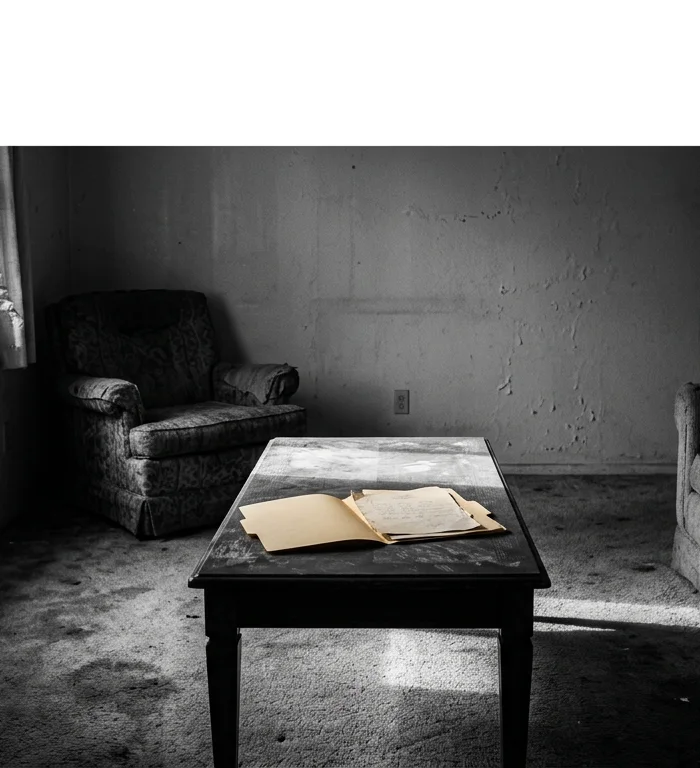
A former San Diego property manager has provided new testimony to a New York court, linking a Saudi national to two of the September 11, 2001, terrorist attackers. Holly Ratchford, who managed the Parkwood Apartments where Omar al-Bayoumi and two hijackers resided in 1999, detailed her interactions with the men for the first time.
This testimony forms part of a $1 trillion lawsuit filed by victims' families against the Kingdom of Saudi Arabia. Plaintiffs allege Bayoumi acted as a Saudi operative, providing critical logistical support to hijackers Nawaf al-Hazmi and Khalid al-Mihdhar. A federal judge previously found evidence supporting a reasonable inference of coordination between Bayoumi and the Saudi government, a claim the Kingdom and Bayoumi deny.
New Details Emerge in Legal Battle Ratchford’s account challenges previous statements Bayoumi provided to Ratchford’s account challenges previous statements Bayoumi provided to federal investigators. Her testimony describes the social and logistical interactions between the suspects, potentially bolstering the ongoing litigation. The lawsuit seeks to establish state-level culpability for the attacks, which killed nearly 3,000 people, and is currently in the appellate process as plaintiffs pursue further discovery regarding the extent of foreign involvement in the plot. Litigation's Broader Implications
San Diego
The case, ongoing for over two decades, seeks to determine if Saudi Arabia's alleged support for Bayoumi constitutes a direct link to the 9/11 attacks. The discovery process continues to uncover previously undisclosed interactions, potentially reshaping the understanding of state involvement in the plot. The outcome could set a precedent for holding foreign states accountable in terrorism cases.
A definitive ruling in favor of the plaintiffs could necessitate a significant financial payout from the Saudi government, potentially impacting its foreign relations and financial standing. Conversely, a ruling against the plaintiffs would leave the victims' families without a definitive legal victory, reinforcing the challenge of proving state-level responsibility in complex international terrorism cases.
More stories
- Eisenkot secures first coalition deal but lacks majority
- Germans oppose Ukraine aid as poll shows support slipping
- Kim Jong-un receives 10 envoys after constitutional shift
- Ukraine claims Libya strike sinks Russian naval corvette
- COP31 climate talks collapse over fossil fuels and funds
- Russian military faces 1,087 recorded suicides in Ukraine war
- Israel election tests Netanyahu’s security message at polls
- Kurdish commander Mazloum Abdi takes Syria adviser role
- Iran’s Strategic Shift Focuses on Long-Term Economic Attrition
- Iran escalation strategy tests Gulf trade routes and oil
Latest news
- Morocco targets 2030 World Cup final with new stadium bid
- Barclays puts AI bust risk at center of US growth debate
- US inflation reaches 3.8% before December Fed rate meeting
- Türkiye Desk: GTA 6 drains UK mobile spend as Turkish studios feel pressure
- Global stocks fall 0.4% as tariffs and US inflation loom
- CIA hack affects unclassified data; scope remains unclear
- Trump prepares tariffs on China and other major exporters
- New-car buyers pay record average $50,087 in October