Israel election tests Netanyahu’s security message at polls
Israel election tensions are converging with Lebanon fighting, Turkey friction and polling that leaves both Netanyahu and his rivals short of a majority.
Omar Farouk ·
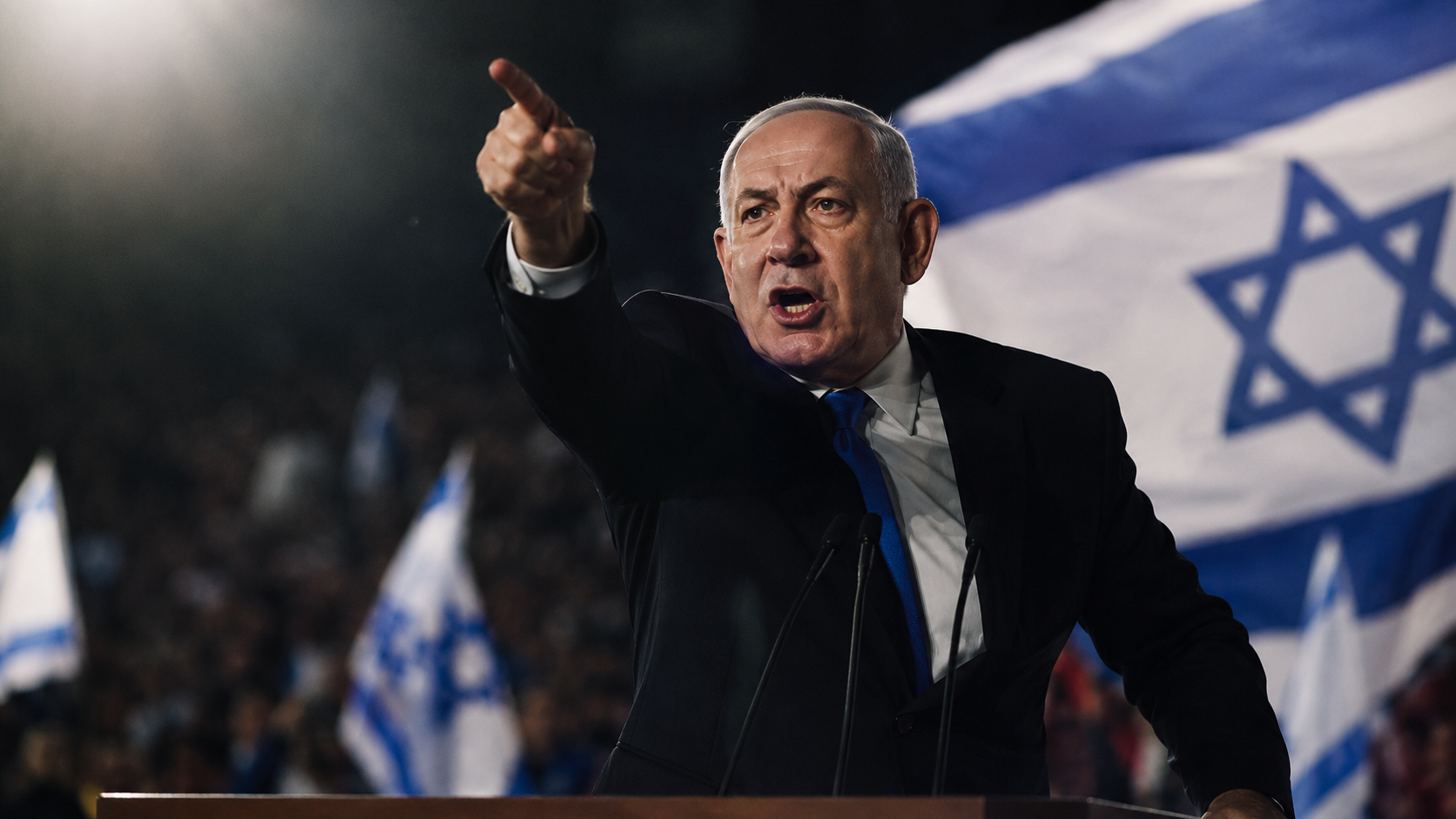
Israel election pressures are rising before the Oct. 27 vote as Lebanon fighting and Turkey friction test Netanyahu’s security campaign.
Oct. 27 tightens Netanyahu’s race
The campaign timetable gives Israelis their first general election since the Hamas-led attacks of Oct. 7, 2023, and the wars that followed. The Knesset ended its term in July while keeping the original voting date, a schedule that would allow Netanyahu’s coalition to complete a full term.
The arithmetic is narrow. An Aug. 27 public poll put Gadi Eisenkot’s Yashar party on 26 seats, compared with 22 for Likud; neither Netanyahu’s allies nor the main opposition grouping reached the 61 seats needed in the 120-member Knesset.
Those figures do not show that military decisions are being made for electoral gain. They do mean each operation, restraint decision and diplomatic concession now lands inside a campaign centered on security, deterrence and responsibility for the years since Oct. 7.
Ankara dispute enters Syria fight
The most visible regional dispute is with Turkey over Syria, where military warnings have become campaign material. Israel struck the Abu al-Duhur airbase in northwestern Syria on Aug. 18 after saying Damascus was close to permitting a Turkish troop deployment that Israel viewed as a threat.
Turkey denied that its forces were being positioned there. Syrian Foreign Minister Asaad al-Shaibani said Turkish officers had visited as part of military cooperation, while saying no permanent Turkish base was planned.
U.S. Syria envoy Tom Barrack criticized the strike and later suggested domestic politics could have played a role. Israeli Defense Minister Israel Katz rejected that interpretation and defended Israel’s assessment of the Turkish risk.
The rhetoric then widened beyond Syria. Ankara pursued an international arrest notice against Netanyahu over Israel’s interception of a Gaza-bound flotilla, and Netanyahu’s office responded by attacking President Recep Tayyip Erdogan personally and warning against Turkish ambitions in Syria.
Nabatieh strikes test Lebanon track
Lebanon is the more immediate military pressure point. Israeli aircraft hit targets around Nabatieh on Aug. 27 after Israel said Hezbollah sent two explosive drones toward soldiers near the Ali al-Taher ridge.
The Israeli military said the drones caused no casualties and that later strikes hit Hezbollah weapons sites and infrastructure. Lebanon’s Health Ministry said a 28-year-old woman was killed in Arab Salim and six people were wounded, while Lebanese security sources reported at least 10 Israeli strikes in the wider Nabatieh area.
The clashes have continued despite a U.S.-brokered security framework agreed on June 26. Under that arrangement, efforts to expand Lebanese army control and disarm Hezbollah are tied to the unresolved question of Israeli withdrawals from parts of southern Lebanon.
For Netanyahu, the political test is whether he can present force as effective deterrence without appearing to invite an uncontrolled escalation. For rivals including Eisenkot and Yair Golan, the same events create room to argue that security depends on different strategic management or institutional repair.
September narrows the options
The United States is trying to manage overlapping relationships with Israel, Turkey and Lebanon while those disputes converge across Syria and the northern border. U.S. Ambassador to Israel Mike Huckabee said on Aug. 20 that a de-escalation process was being developed and argued the sides were not close to direct Israeli-Turkish conflict.
If violence in Lebanon stays contained and the Syria channel holds, global macro effects are likely to remain limited to risk monitoring rather than a broader regional shock. In that scenario, Likud can campaign on deterrence, while Israel’s defense establishment and regional diplomats gain more room to keep clashes bounded.
If Syria or Lebanon instead produces a larger confrontation, the mechanism changes: energy risk premiums, U.S. diplomacy and regional military planning would all face new pressure. Domestically, casualties or diplomatic isolation could strengthen Netanyahu’s critics, while Israel’s security sector would face a longer and costlier operating tempo.
The immediate calendar matters. Parties must submit electoral slates by Sept. 8, and several smaller factions remain near the electoral threshold; the open question is whether border incidents stay contained long enough for coalition politics, rather than battlefield escalation, to decide the final month of the campaign.