Iran escalation strategy tests Gulf trade routes and oil
Iran escalation is using Hormuz, the Red Sea and Gulf energy assets as pressure points to raise confrontation costs for Washington and its allies.
Lauren Collins ·
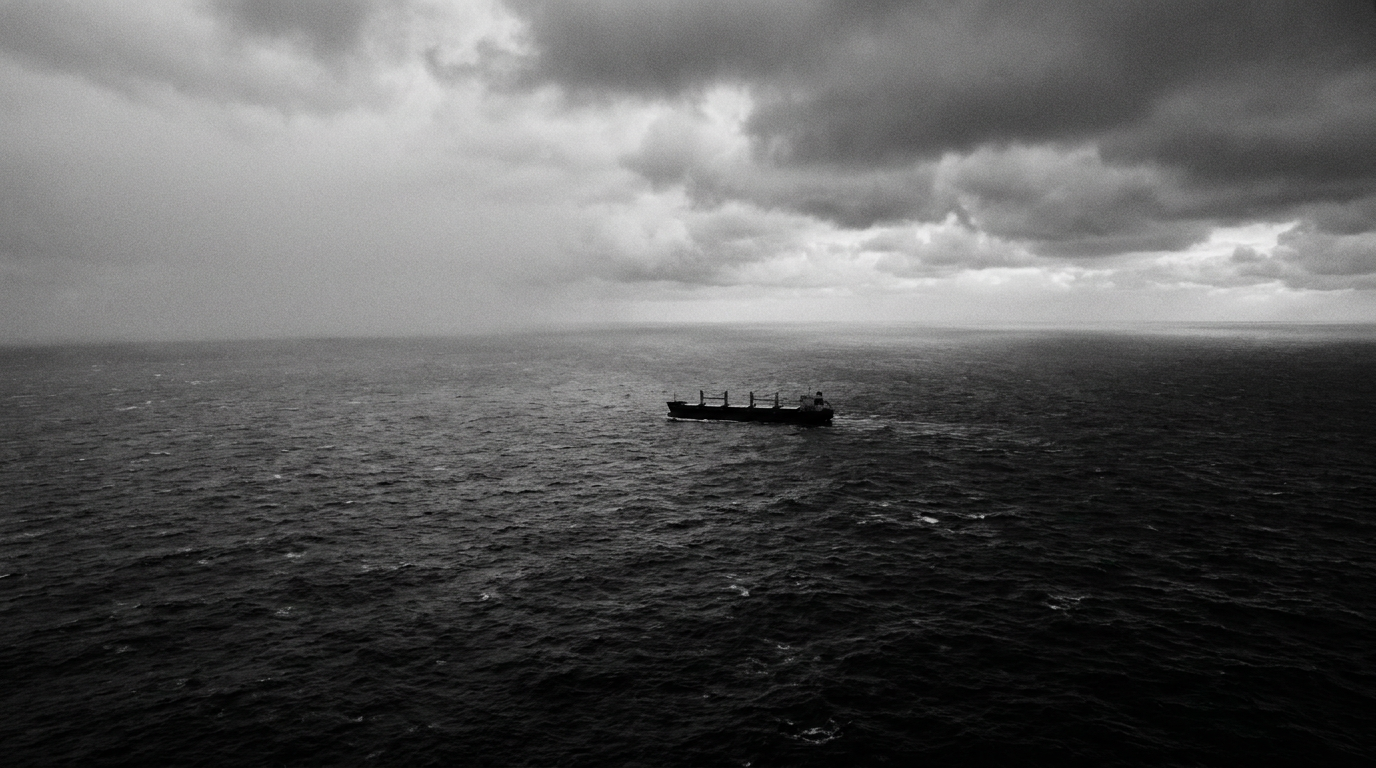
Iran escalation is turning Middle East shipping lanes and energy infrastructure into pressure points designed to raise costs for Washington.
Gulf officials and analysts describe Tehran’s approach as a campaign of controlled pressure rather than a bid for outright military victory. They say Iran is trying to widen the crisis enough to strain the United States and its allies, while stopping short of a full regional war.
Hormuz becomes the bargaining point
The Strait of Hormuz sits at the center of the strategy because of its role in global energy flows. Before the war, about one-fifth of global oil consumption moved through the waterway, according to the account from Gulf officials and analysts.
The message attributed to Tehran is that Washington must accept a different balance around Hormuz or face disruption beyond the Gulf. That framing turns a maritime route into a negotiating instrument, with commercial traffic, insurance costs and energy security tied to the pace of conflict.
Analysts say the pattern is designed to preserve choices for Iran’s commanders. Instead of exhausting one option quickly, Tehran can threaten new locations, weapons or targets over time, keeping regional governments and shipping operators uncertain about where pressure may appear next.
Michael Knights of the Washington Institute said, "Iran, from the beginning, has tried to out-escalate the United States by stretching out its escalation options so that it always has something new to bring every week -- a new geography, a new type of weapon, a new type of target."
Red Sea threats widen the map
The pressure campaign is no longer described as confined to Hormuz. Threats involving the Red Sea and Saudi energy infrastructure point to a wider effort to raise the cost of protecting trade routes that connect producers, refiners, shippers and consumers.
That shift matters for Gulf states because the economic pain would not fall only on U.S. or Israeli assets. Knights said, "The bigger advantage they have is not that they can hurt America or Israel. Their big advantage is that they can hurt the regional states and the global economy."
For energy companies and tanker operators, the risk is operational as much as political. Even limited threats can change route planning, security arrangements and insurance pricing, especially when ships and export facilities sit near waterways that already carry strategic weight.
A Gulf source described a view among Revolutionary Guards commanders that "they can get more." That assessment suggests Iran sees each added point of pressure as a way to improve its position before any future bargaining over Hormuz and regional security arrangements.
Escalation paths test markets
If Iran keeps pressure calibrated, the global macro effect would likely come through higher risk premiums in energy transport rather than a sudden halt in trade. In that case, Tehran could gain negotiating leverage, while the shipping and energy sectors absorb higher security and insurance costs.
If the Red Sea or Saudi energy infrastructure becomes a more active pressure point, the mechanism changes. Broader disruption would force regional governments and companies to spend more on protection and rerouting, while global markets would have to price a larger threat to supply chains.
If Washington and its allies contain the threats without conceding a greater Iranian role around Hormuz, Iran’s strategy could lose momentum. The specific cost for Tehran would be a weaker bargaining hand; the sector effect would be a gradual easing of the security premium around Gulf-linked routes.
The central uncertainty is whether calibrated escalation can stay calibrated once more waterways and energy assets are placed at risk. The next signals will come from shipping behavior, threats to Saudi infrastructure, and whether Gulf governments see Iran’s pressure as bargaining theater or a durable change in the regional security order.