Iran’s Strategic Shift Focuses on Long-Term Economic Attrition
Reports suggest Iran is leveraging maritime trade routes and energy infrastructure to increase costs for the U.S.
Atlas Newsdesk ·
Strategic Attrition Over Direct Conflict
Five months into the heightened regional tensions involving Iran, the U.S., and Israel, a diplomatic resolution remains elusive. Observers indicate that Tehran has pivoted away from pursuing a decisive military triumph. Instead, the current approach involves calibrated escalations designed to exhaust Washington over an extended period without triggering a full-scale war.
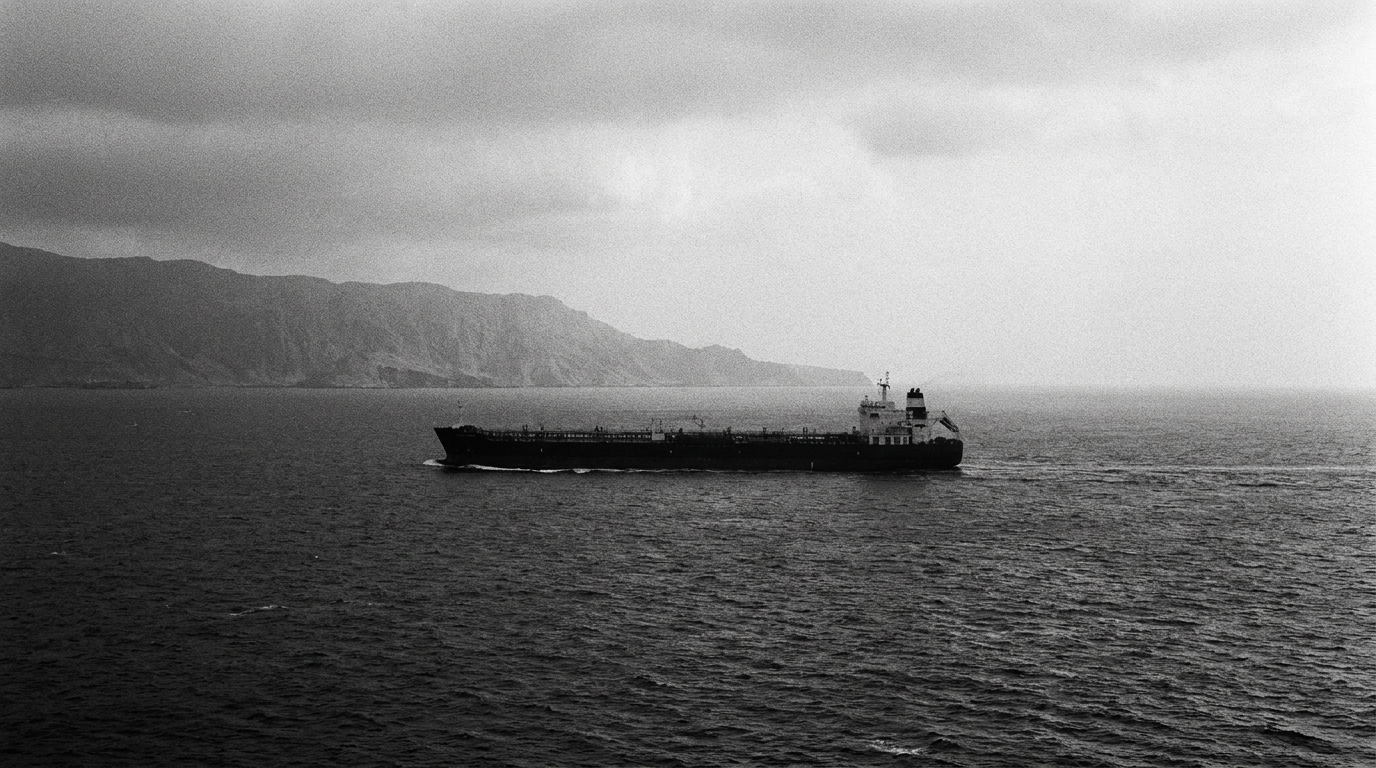
According to regional analysts and officials, the Iranian leadership is utilizing maritime transit corridors and energy facilities as leverage. By threatening these critical nodes, Tehran aims to inflate the financial and operational burdens placed upon the U.S. and its international partners.
The Centrality of the Strait of Hormuz
The primary objective appears to be convincing Washington that accommodating Iranian demands regarding the Strait of Hormuz is more cost-effective than attempting to manage the ongoing crisis. Tehran has signaled that unless it is granted a more significant role in the administration of these waters, the conflict could expand beyond the Gulf.
Expanding the Scope of Pressure
While the Strait of Hormuz remains a focal point due to its role in global oil transit, there are indications that Iran is attempting to demonstrate that no maritime passage is immune to disruption. Threats directed toward the Red Sea and Saudi energy assets are viewed as components of a broader effort to test the endurance of Western powers.
Sources familiar with the matter suggest that Iranian officials believe the U.S. administration is hesitant to engage in a prolonged Middle Eastern conflict, particularly given domestic political cycles. Consequently, Tehran has concluded that previous displays of flexibility only invited further pressure, leading to a decision to establish stronger bargaining leverage on the ground before engaging in formal talks.
Uncertainty and Future Risks
A significant point of contention remains the future governance of the Strait of Hormuz. While some regional proposals suggest a model involving voluntary user fees, Iran continues to demand administrative authority and the right to collect service charges from vessels. Conversely, Washington maintains that the waterway must retain its international status as a free transit route.
The current situation creates a persistent risk of miscalculation. As both sides continue to respond to provocations with further escalations, the possibility of a wider, unintended conflict remains a primary concern. The effectiveness of this strategy hinges on whether Tehran can withstand economic pressure longer than the U.S.-led coalitions can endure the resulting disruptions to global trade.