Cuba Faces Crisis as US Tightens Sanctions
Cuba is experiencing severe fuel shortages and intensified US pressure, raising concerns about potential regime change and military intervention.
Lauren Collins ·
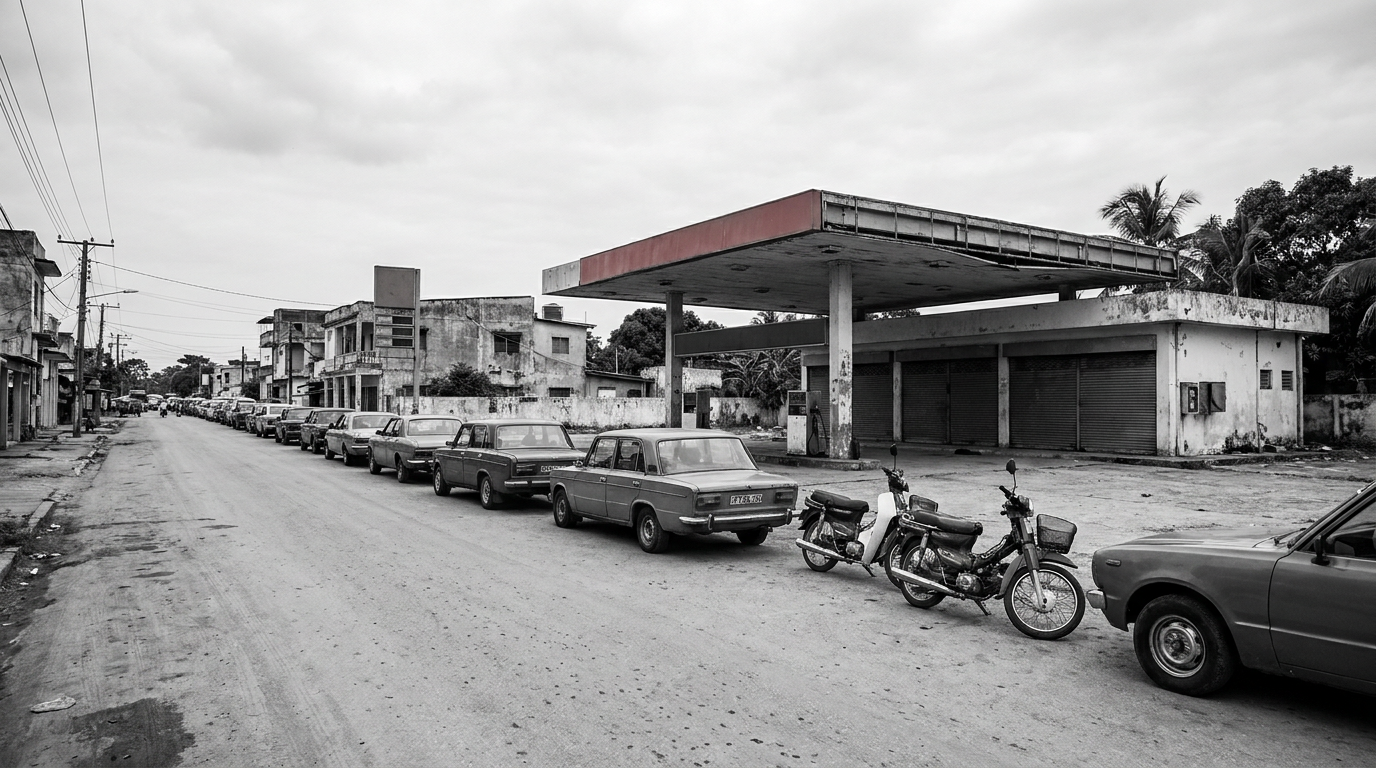
Cuba is grappling with an unprecedented energy crisis, confronting critical shortages of diesel and fuel oil essential for its power infrastructure. The nation's energy minister announced on May 13 that the island has completely exhausted its reserves, amplifying fears of widespread blackouts and further economic hardship.
This severe energy deficit follows years of an extensive US economic blockade, with the island receiving minimal fuel shipments throughout 2026. The situation has been compounded by recent US actions, including the alleged capture of Venezuelan President Nicolás Maduro and an attack on Iran, which have been followed by pointed declarations from Washington indicating Cuba could be next.
Escalating US Pressure and Rhetoric
US officials, including President Donald Trump and Secretary of State Marco Rubio, have repeatedly signaled their intent to force regime change in Cuba through mounting economic pressure. These pronouncements have increasingly included veiled threats of military intervention should diplomatic or economic strategies fail to yield desired outcomes.
Tensions escalated further on May 20 when the US unsealed charges against 94-year-old former Cuban President Raúl Castro, accusing him of murder. The indictment pertains to his alleged role in the 1996 downing of two civilian aircraft belonging to the exile group Brothers to the Rescue, an incident that resulted in four fatalities.
Cuba's Stance and Historical Context
Despite the intensified pressure, Cuban leadership remains resolute. President Miguel Díaz-Canel stated in March that "any external aggression will be met with unbreakable resistance," underscoring the island's determination to withstand external threats.
The US economic embargo against Cuba has been in place since 1962, significantly impacting the island's economy, which the Cuban government frequently attributes to "el bloqueo." While the scope of sanctions has historically fluctuated with political relations, the current administration has dramatically intensified these restrictions.
In early 2026, Washington took decisive action by cutting off Venezuelan oil exports to Cuba and threatening punitive tariffs against any nation that supplied oil to the island. This has led to Cuba receiving only one crude oil shipment, approximately 730,000 barrels, during the entire year. The extreme economic measures, however, have not achieved the targeted political breakthroughs.
Cuba has consistently maintained that the Brothers to the Rescue aircraft repeatedly violated its airspace and had been warned against approaching the island prior to the 1996 incident. The recent indictment against Castro echoes tactics used by the Trump administration, which previously cited drug charges against Maduro as part of the justification for his capture earlier in 2026.
The current trajectory suggests a period of heightened geopolitical tension, with Cuba facing severe internal challenges exacerbated by external economic and political pressure. The coming months will likely reveal whether the island's resilient stance can withstand the sustained strain, or if the escalating rhetoric from Washington will precipitate more direct confrontation.