Iran’s internal shifts and proxy signals test Saudi thaw and Levant calm
New intelligence on Iran’s internal decisions and proxy posture may complicate Saudi-Iranian ties and impact Israel’s security calculus.
Omar Farouk ·
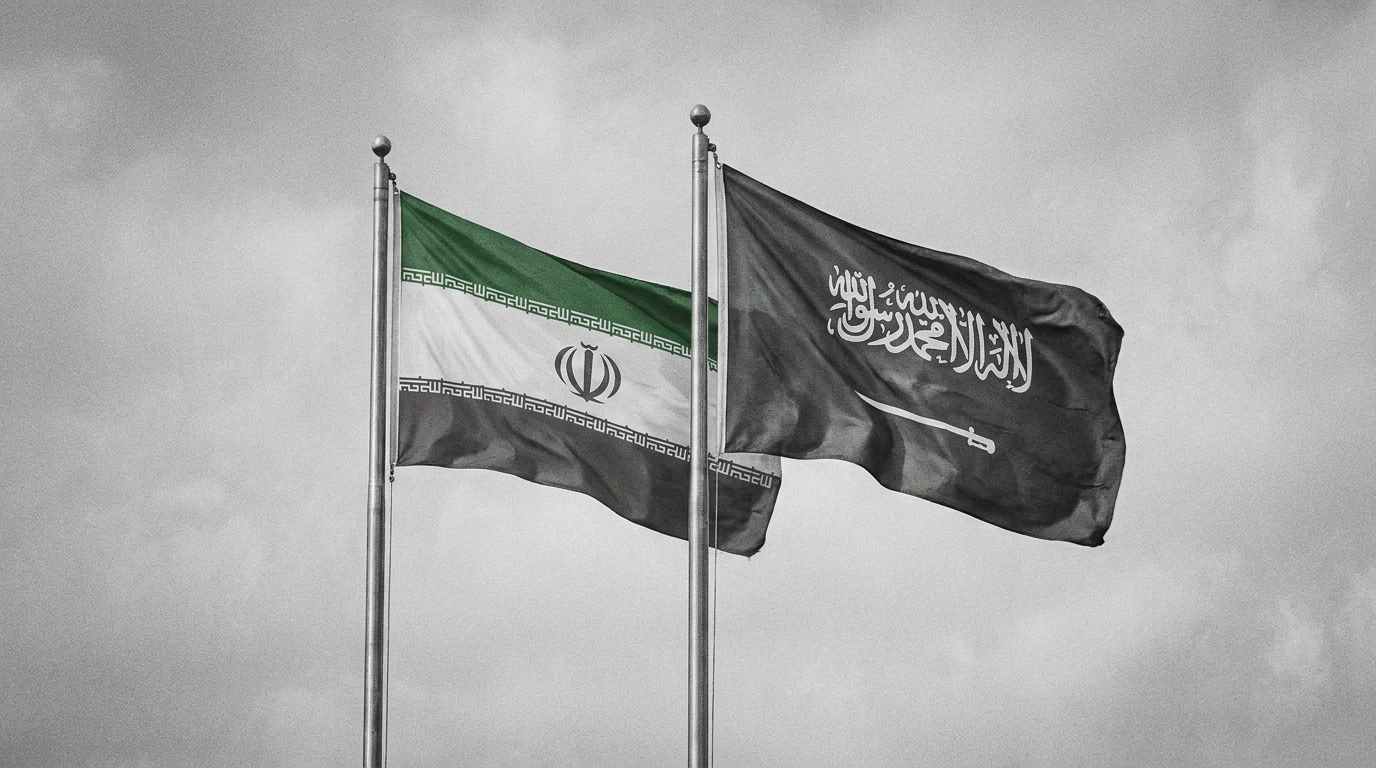
# Iran’s internal shifts and proxy signals test Saudi thaw and Levant calm
A Jerusalem Post “Grapevine” item published July 17, 2026 claims new intelligence suggests changes inside Iran’s top leadership circles alongside signs of activity across Tehran-aligned proxy networks. The piece frames the alleged shift as occurring over the last 24–72 hours and links it to Israel’s military posture and Saudi diplomatic outreach, though it provides no documentary evidence or named official confirmation.
Jerusalem Post
The report matters because Iran’s internal power balances, especially around Supreme Leader Ayatollah Ali Khamenei and the Islamic Revolutionary Guard Corps (IRGC), can quickly translate into external moves. In the current regional environment, even small adjustments in messaging or proxy latitude can be read in Riyadh, Beirut, and Jerusalem as either an opening or a warning.
Saudi-Iranian rapprochement has moved in cycles: periods of discreet engagement are often followed by renewed friction driven by proxy activity, maritime incidents, or escalatory rhetoric. Without fresh, on-the-record statements in the “Grapevine” item, the status of any current Saudi-Iranian channel cannot be verified from the signal alone, but the claim of a near-term “recalibration” is aimed at that diplomatic track.
Inside Iran, formal authority sits with the Supreme Leader, but execution often runs through a network that includes the IRGC, Iran’s parallel military and security institution with influence over regional files. The signal also points to Iran’s external partners: Hezbollah in Lebanon, the Houthis in Yemen, and a range of Iraqi militias, all commonly described as part of Tehran’s “axis of resistance.” These groups are not interchangeable, and each has its own local constraints, even when aligned with Iranian strategy.
Saudi Arabia’s outreach to reduce confrontation with Iran
If the reported intelligence is directionally correct, the immediate pressure point is the region’s balance between deterrence and diplomacy. Saudi Arabia’s outreach to reduce confrontation with Iran can be undercut quickly by proxy attacks or by Iranian messaging that signals an expanded mandate for partners, while Israeli military readiness can drive Tehran to tighten operational control or encourage deniable actions through intermediaries.
The spillover risks are global as well as regional. Proxy escalation can raise shipping and energy risk premiums, particularly around the Strait of Hormuz and the Bab al-Mandab, two chokepoints where threats, interceptions, or mining incidents can disrupt commercial flows. For European and Asian importers, the transmission mechanism is straightforward: heightened security risk raises insurance and freight costs, then filters into delivered energy prices. For the Levant, the most immediate concern is that changes in proxy posture can alter the temperature on Israel’s northern front and in Lebanon’s internal politics.
By 2026-08-15, the most falsifiable signals will be (1) any official or semi-official statements from IRGC commanders or Iran’s Foreign Ministry that explicitly consolidate, expand, or redefine support for partner groups, and (2) any measurable change in drone or missile activity attributed to Iran-aligned proxies. If Iran issues statements that harden its alignment language or if proxy attacks increase, that would support the interpretation of rising friction and a tougher posture. If instead Iran’s rhetoric softens and proxy activity visibly decreases, it would point to de-escalation or a reassessment designed to protect the Saudi track and contain escalation risks.