

Iran Rejects U.S. Allegations Regarding Biological and Chemical Weapons Development
Iran has dismissed U.S. claims of biological and chemical weapons development, framing the allegations as a repeat of the intelligence failures that preceded…
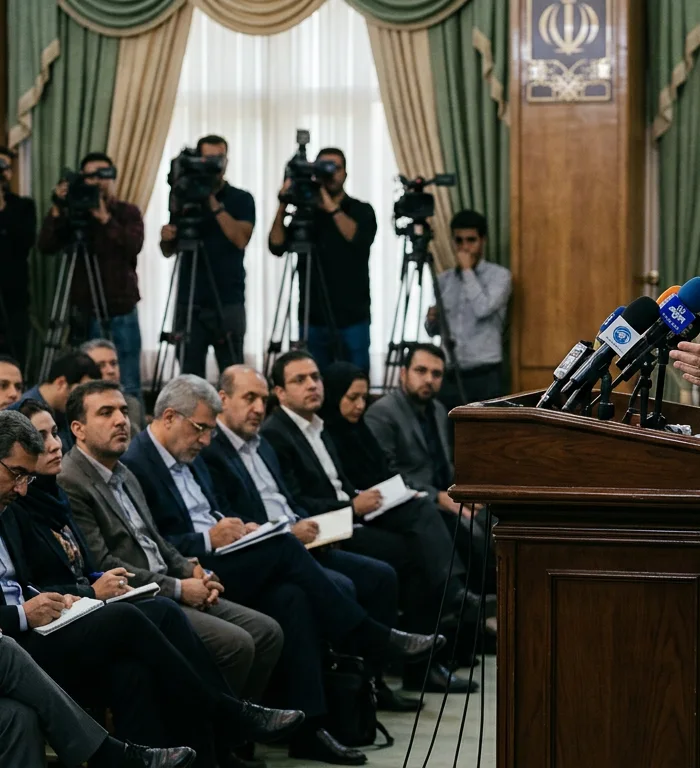
The Iranian Ministry of Foreign Affairs has formally rejected recent U.S. intelligence assertions suggesting that Iran is actively developing biological or chemical weapons. Officials in Tehran characterized these claims as unsubstantiated and part of a broader, recurring narrative intended to justify external military or political pressure.
Tehran has drawn direct parallels between these current allegations and the intelligence assessments used to justify the 2003 invasion of Iraq. By invoking the historical precedent of the Iraq weapons of mass destruction (WMD) intelligence failure, Iranian officials are attempting to undermine the credibility of current U.S. security assessments on the international stage.
This diplomatic pushback serves to frame the U.S. intelligence community’s findings as politically motivated rather than evidence-based. By highlighting past intelligence failures, Iran aims to erode international consensus and complicate potential efforts by the U.S. to build a coalition for further sanctions or military posturing.
The Iranian Ministry
For policymakers, this rhetoric signals an intensification of the information war surrounding Iran’s strategic capabilities. The rejection of these claims suggests that Iran will continue to utilize historical grievances to deflect international scrutiny regarding its nuclear and non-conventional weapons programs.
Observers should monitor whether these allegations lead to formal inquiries by international oversight bodies or if they remain confined to bilateral diplomatic friction. The hardening of these positions increases the risk of miscalculation, as both nations rely on conflicting intelligence narratives to define their regional security policies.
More stories
- Germans oppose Ukraine aid as poll shows support slipping
- Kim Jong-un receives 10 envoys after constitutional shift
- Ukraine claims Libya strike sinks Russian naval corvette
- COP31 climate talks collapse over fossil fuels and funds
- Russian military faces 1,087 recorded suicides in Ukraine war
- US faces China, Russia in Africa minerals contest
- Indonesia seeks Google explanation for 19,372 YouTube removals
- San Antonio faces scrutiny over 50,000-hog farm approvals
- Jayakumar backs Singapore GRC safeguards after online attacks
- Tomorrow's Netanyahu election bid tests Israel's coalition arithmetic
Latest news
- Trump prepares tariffs on China and other major exporters
- New-car buyers pay record average $50,087 in October
- Banks face ECB reserve debate over liquidity and profits
- Investors see Anthropic debut gains fade below $83 a share
- Iraq orders federal control over Kurdish-area oilfields
- Nvidia shares retreat as AI rally cools before PCE data
- Macy’s parade faces balloon limits as storm winds approach