Trump’s Iran U-Turn: From “Rise Up” to “Regime Change Isn’t the Plan”
Many Iranians hoped the regime would fall at the war's start. Now, with Washington's retreat, they fear a devastated country and a harsher regime.
Selin Özalp ·
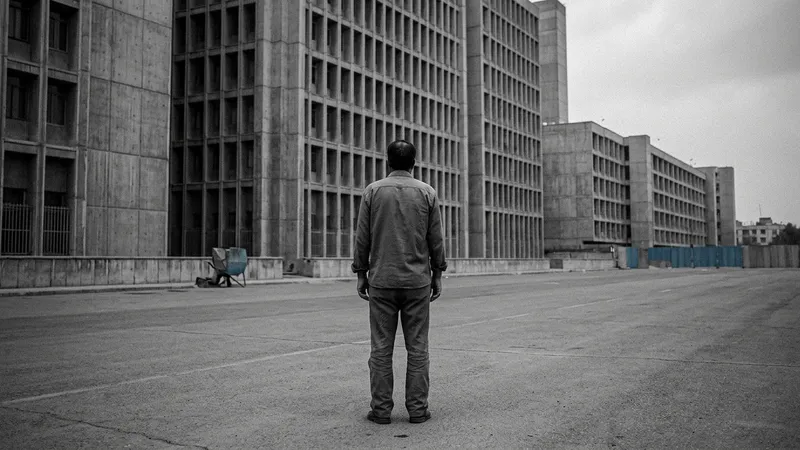
Initial optimism among some Iranians for an end to the Islamic Republic has largely dissipated, following weeks of intensified Israeli and U.S. military actions. While early attacks sparked celebrations in parts of Tehran and among exiled communities, a growing sense of disappointment and fear now prevails, according to residents and analysts. This shift highlights the fragile nature of initial hopes for external intervention.
Many Iranians, disillusioned by the suppression of movements like the 2022 Mahsa Amini protests, had viewed the foreign military intervention as a "last chance" for change. A former political prisoner and civil society activist in Tehran, speaking to The Wall Street Journal, noted the genuine hope that emerged early in the conflict, now replaced by feelings of betrayal.
Shifting Rhetoric from Washington and Tel Aviv
The primary driver for this fading optimism stems from a significant change in messaging from Washington and Tel Aviv. In the initial phase of the conflict, then-U.S. President Donald Trump publicly encouraged Iranians, posting "HELP IS ON THE WAY" on social media.
Israeli Prime Minister Benjamin Netanyahu similarly implied that Iranians should "wait for the right time." These statements fueled perceptions among anti-regime elements that substantial external support was imminent.
However, as the conflict progressed, this rhetoric softened considerably. Trump later suggested that a popular uprising in Iran appeared unlikely in the short term. Netanyahu also adopted a more cautious tone, acknowledging the difficulty for Iranians to overthrow the regime. This retreat left internal opponents feeling exposed and raised questions about the true objectives of the military campaign—whether it aimed to dismantle the regime or merely to degrade Iran's military and economic capabilities.
Increased State Control and Civilian Toll
Concurrently, the Iranian government has leveraged the external threat to tighten internal control. State television and mass SMS messages warned that any anti-regime activities or protests would be deemed "treason" and met with severe punishment. A Revolutionary Guard commander publicly announced "shoot-to-kill orders" for security forces, underscoring the government's resolve.
Human rights organizations report at least 195 individuals detained since the conflict began, on charges including espionage or leaking information. Some arrests reportedly occurred for simply photographing bombed areas.
The devastating impact of the bombings on the civilian population has also altered public sentiment. Human rights groups estimate over 1,200 civilian deaths to date, alongside extensive infrastructure damage. This destruction has prompted many Iranians, even those initially supporting regime change, to question the continuation of the war. An English teacher in Tehran, identifying as anti-government, expressed that the country felt "like it had gone back a hundred years," lamenting that ordinary Iranians had become the justification for a destructive conflict.
Historical Parallels and Future Concerns
The current situation evokes painful memories from Iran's modern history. During the 1980-1988 Iran-Iraq War, the Islamic Republic suppressed internal opposition, executing thousands of political prisoners under the guise of national security. Many fear a similar scenario, with the regime using the present conflict for internal purges. Historically, external attacks often consolidate authoritarian regimes through a "rally around the flag" effect, rather than weakening them. War allows regimes to both mobilize nationalist sentiments and silence dissent in the name of security.
No significant cracks have yet appeared within the regime's core security institutions, such as the Revolutionary Guard and Basij militia, which maintain firm control. Even Iranian Kurdish opposition groups have postponed planned uprisings, observing the regime's unbroken power.
Analysts warn that if the conflict concludes without regime change, the Iranian government might emerge stronger and more totalitarian.
An opposition figure in Tehran told The Wall Street Journal, "If this regime survives this war, it will be stronger and more brutal than before."
For those who celebrated in the early days of the conflict, the pressing question remains: will they continue to live under the same regime amidst devastated cities and escalating repression?