Iran succession talk raises stakes for nuclear policy and Strait of Hormuz risk
As Iran faces nuclear tensions, speculation grows over Mojtaba Khamenei’s succession and how it may harden Tehran’s stance in the Strait of Hormuz.
Omar Farouk ·
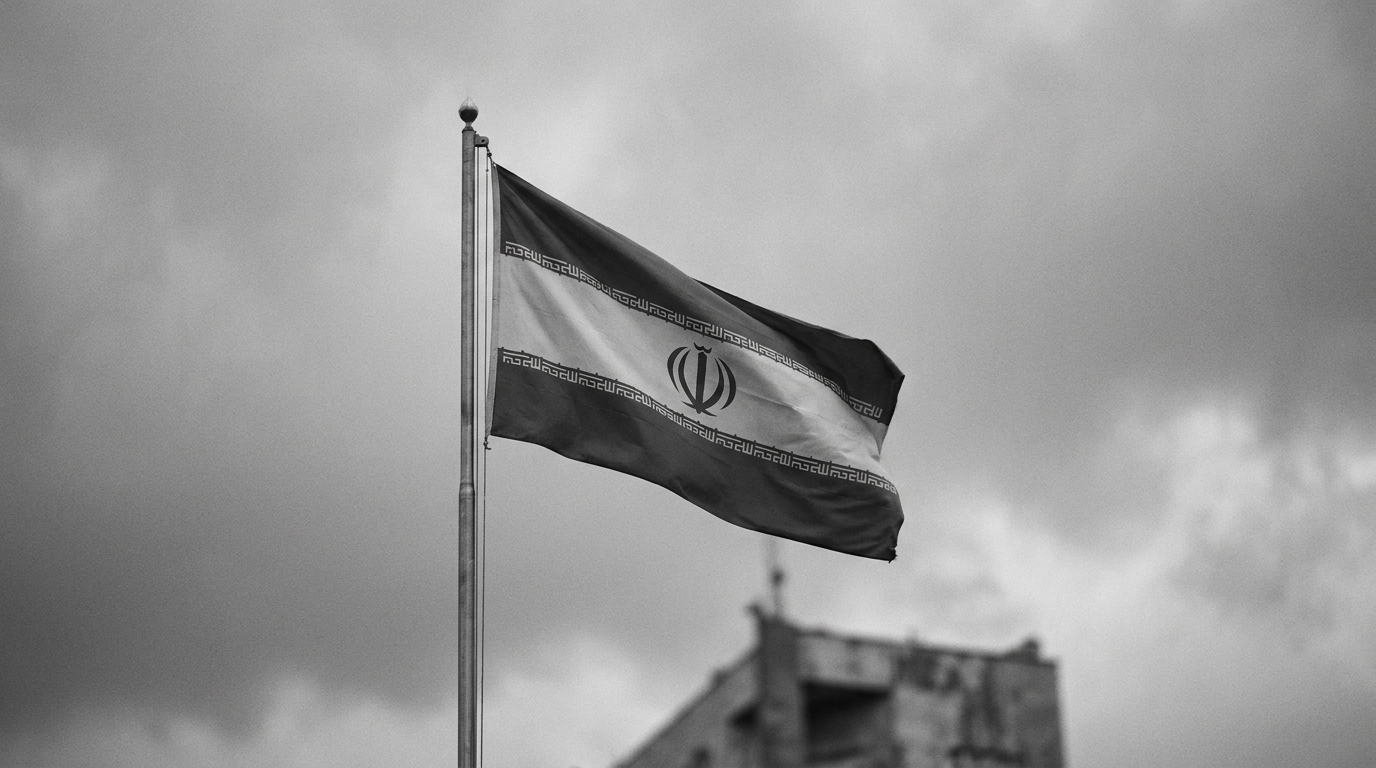
# Iran succession talk raises stakes for nuclear policy and Strait of Hormuz risk
Speculation about who could eventually succeed Iran’s Supreme Leader Ayatollah Ali Khamenei is colliding with an already fraught nuclear file and rising maritime tensions in the Gulf. The discussion has sharpened around Mojtaba Khamenei, the leader’s son, whom some analysts portray as more inclined toward a tougher nuclear posture than his father.
Supreme Leader Ayatollah Ali
The succession issue matters because the Supreme Leader is the system’s final authority on national security: any shift at the top can change Iran’s appetite for risk, the pace of nuclear decision-making, and its readiness to escalate in regional chokepoints such as the Strait of Hormuz.
Iran’s nuclear program has been shaped by the rise-and-fall cycle of diplomacy around the Joint Comprehensive Plan of Action (JCPOA), the 2015 accord that imposed limits and monitoring in exchange for sanctions relief. Since the agreement’s unraveling, Tehran has expanded parts of its nuclear work and Washington and its partners have struggled to re-establish a durable negotiating track.
Under Iran’s political system, the Supreme Leader sits above elected institutions and has decisive influence over the armed forces and security services, including the Islamic Revolutionary Guard Corps (IRGC), the elite military organization that runs key strategic portfolios from missile development to maritime operations. The IRGC’s posture is closely tied to how Iran uses regional pressure points, including shipping lanes and proxy relationships, to deter adversaries and gain leverage.
It could raise the likelihood of military signaling
A harder Iranian nuclear line would not stay confined to the diplomatic arena. It could raise the likelihood of military signaling and tit-for-tat escalation across the region, including with Israel’s military (the Israel Defense Forces, IDF) and along fronts where Iran-aligned groups operate. It could also deepen pressure on Gulf Arab states and the Gulf Cooperation Council (GCC) as they balance security coordination with the United States against efforts to keep regional trade and energy flows stable.
Global spillovers run through energy and shipping. The Strait of Hormuz is the narrow gateway between the Persian Gulf and the open ocean; any perception that Iran is tightening its grip there can push up insurance costs, alter routing, and inject risk premia into oil markets. A parallel vulnerability is the Bab al-Mandab, the Red Sea chokepoint where the Houthis in Yemen have targeted shipping, highlighting how quickly regional conflicts can affect maritime commerce.
By 2024-09-01, watch for observable signals that can be checked against official and institutional reporting: any formal public move indicating a succession process is being discussed by Iran’s political bodies; any measurable change in Iran’s enrichment activity as reported by the International Atomic Energy Agency (IAEA); and any attributable statements by named Iranian officials or military figures on nuclear intent or doctrine. The “right” condition for the thesis would be evidence that Mojtaba Khamenei’s public profile or institutional role is expanding in a way that Iran’s establishment acknowledges; the “wrong” condition would be signs that succession talk is receding, alternative contenders are prioritized, or nuclear diplomacy shows verifiable progress that reduces near-term escalation incentives.