

Iran conditions Strait of Hormuz reopening on US sanctions relief
Tehran and Qatari mediators have proposed a two-day window to restore transit through the critical energy chokepoint, pending concessions from Washington.
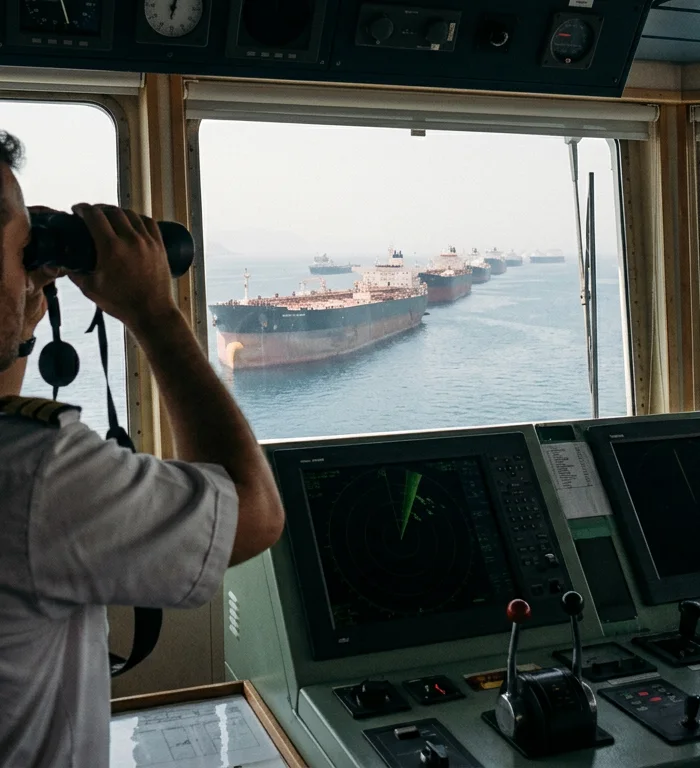
High-stakes maritime leverage
Iranian Foreign Minister Abbas Araghchi has signaled that Tehran is open to reopening the Strait of Hormuz within 48 hours, contingent upon the United States meeting specific demands regarding sanctions and regional military posture. This proposal, currently being facilitated by Qatari mediators, marks a shift from implicit threats toward a more formalized diplomatic framework for economic leverage.
Geopolitical backdrop
The Strait of Hormuz remains the world’s most significant maritime oil chokepoint, with approximately 20% of global daily oil consumption transiting its narrow waters. Any disruption in this corridor carries immediate and global implications for energy security and commodity pricing.
Qatar has long served as a critical intermediary in indirect communication between Washington and Tehran, previously hosting negotiations that led to frozen asset releases and prisoner exchanges. The current push suggests an attempt to utilize this established diplomatic channel to address the long-standing impasse over US secondary sanctions on Iranian oil exports.
Economic and regional consequences
The ongoing impasse directly impacts Tehran’s fiscal position, as US sanctions continue to restrict the country’s access to global energy markets and hard currency reserves. A successful reopening would necessitate a complex alignment of US policy, likely requiring significant, verified changes to the current enforcement of secondary sanctions.
Washington’s response remains the primary variable in the viability of the proposal. While reports indicate a potential shift in the tenor of communication between the two powers, the Biden administration has historically maintained that sanctions relief is tied to broader compliance with non-proliferation commitments rather than immediate tactical negotiations.
Forward outlook
Observers should monitor tanker transit data and insurance premiums through the Strait of Hormuz over the coming days to gauge the reality of the diplomatic opening. A genuine move toward de-escalation would result in a measurable normalization of shipping traffic by June 5, 2025. Conversely, a formal rejection or silence from the White House would categorize the proposal as a tactical ruse rather than a strategic change in Iranian policy.
More stories
- Germans oppose Ukraine aid as poll shows support slipping
- Kim Jong-un receives 10 envoys after constitutional shift
- Ukraine claims Libya strike sinks Russian naval corvette
- COP31 climate talks collapse over fossil fuels and funds
- Russian military faces 1,087 recorded suicides in Ukraine war
- US faces China, Russia in Africa minerals contest
- Indian refiners lift crude imports to record 5.6m bpd
- France Braces for Third Weekend of Protests as Youth Movements Gain Momentum Across Europe
- Joburg Crisis Alliance seeks pledges from 270 councillors
- Zimbabwe court keeps mental-health abortion limits
Latest news
- Trump prepares tariffs on China and other major exporters
- New-car buyers pay record average $50,087 in October
- Banks face ECB reserve debate over liquidity and profits
- Investors see Anthropic debut gains fade below $83 a share
- Iraq orders federal control over Kurdish-area oilfields
- Nvidia shares retreat as AI rally cools before PCE data
- Macy’s parade faces balloon limits as storm winds approach