

Texas Governor-Elect to Rescind Terror Designation of Civil Liberties Group
Texas Governor-elect Gina Hinojosa plans to rescind a state-level terrorist designation of the Council on American-Islamic Relations, reversing a policy that…
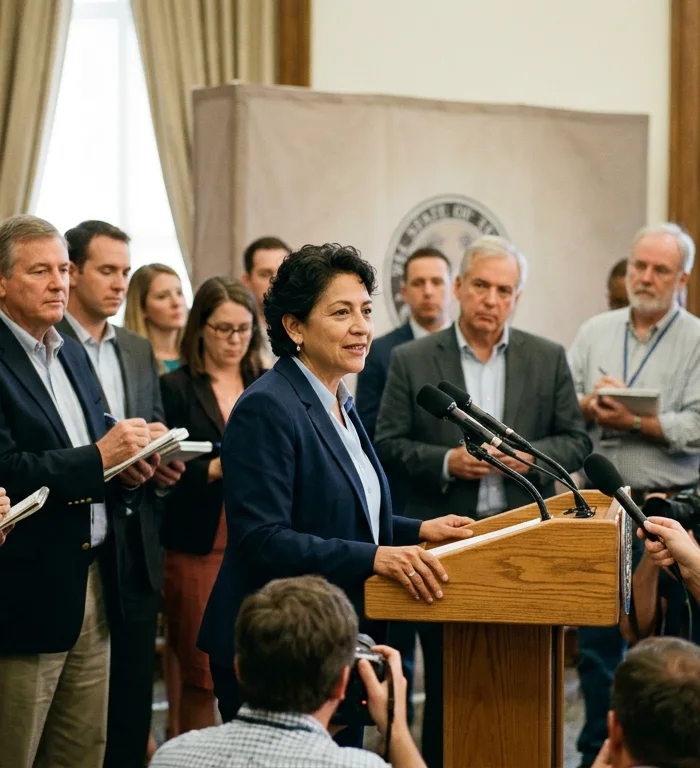
Texas Governor-elect Gina Hinojosa has announced plans to reverse an executive order that designated the Council on American-Islamic Relations (CAIR) as a terrorist organization. The incoming administration intends to withdraw the designation upon taking office in January, effectively nullifying the previous administration's policy that barred the group from acquiring land within the state.
The outgoing administration had utilized the designation to categorize CAIR and the Muslim Brotherhood as foreign terrorist and transnational criminal organizations. This policy provided the state attorney general with legal authority to initiate litigation against these entities. The reversal marks a significant shift in state governance following a broader electoral transition that saw Democratic candidates secure key executive and legislative positions across Texas.
Texas Governor
The original designation had been framed by state officials as a public safety measure, citing concerns regarding the organization's leadership and alleged ideological objectives. Conversely, civil rights advocates and the targeted organization characterized the move as a politically motivated effort to suppress advocacy and limit criticism of foreign policy. The reversal is expected to restore the group's ability to operate and hold property in the state, pending the formal transition of power.
This development occurs against a backdrop of varying state-level approaches to the organization. In Florida, a federal court recently declined to reverse a similar terrorist designation, resulting in the closure of the group's operations in that jurisdiction. The Texas reversal highlights a growing divergence in state-level legal frameworks regarding the classification of non-profit advocacy groups and the extent of executive authority in defining domestic security threats. Institutional stakeholders should monitor the potential for future litigation or legislative challenges as the new administration implements these policy changes.
More stories
- FCC approves prison cellphone jamming despite 2.5-mile warning
- Congress tests Black Democrats' growing policy influence
- Cotton faults Lutnick over AI chips allegedly sent to China
- Vance declines to back Iran strikes as Trump defends war
- Paul seeks 20%-30% federal credit for U.S. film shoots
- Trump targets data centers abroad with tax threat to firms
- Sanders proposes $2,400 Social Security increase
- Trump administration plans vaccine-injury payments for doctors
- US halts Iran strike plan; talks continue for 10 days
- Iran's IRGC Shuts Strait of Hormuz to US-allied ships
Latest news
- Trump prepares tariffs on China and other major exporters
- New-car buyers pay record average $50,087 in October
- Banks face ECB reserve debate over liquidity and profits
- Investors see Anthropic debut gains fade below $83 a share
- Iraq orders federal control over Kurdish-area oilfields
- Germans oppose Ukraine aid as poll shows support slipping
- Kim Jong-un receives 10 envoys after constitutional shift
- Ukraine claims Libya strike sinks Russian naval corvette