Hormuz Strait: From Geography to Strategic Power
The Strait of Hormuz, a critical global chokepoint, has become a strategic tool in geopolitical tensions, impacting energy markets and international relations.
Selin Özalp ·
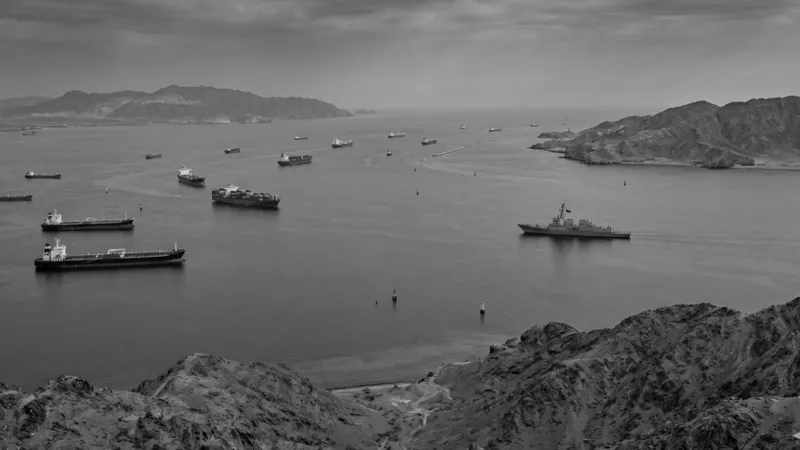
The Strategic Importance of the Strait of Hormuz
The Strait of Hormuz, a narrow and strategically vital waterway, connects the Persian Gulf to the Gulf of Oman and the Indian Ocean. Bordered by Iran to the north and Oman and the United Arab Emirates to the south, it serves as the primary maritime route for oil exports from Gulf nations including Kuwait, Qatar, Saudi Arabia, Iran, Bahrain, and Iraq. Beyond energy, a significant portion of global trade relies on this critical passage.
This chokepoint is indispensable for global commerce. Approximately 20% of the world's liquefied natural gas and 25% of seaborne oil, equating to nearly 20 million barrels daily, transit through the Strait. Most of these shipments are destined for Asian and European markets. The potential value of energy trade linked to this route ranges from $500 billion to $700 billion, depending on fluctuating oil prices.
Escalating Tensions and Shifting Dynamics
A military operation initiated by the United States and Israel on February 28, 2026, targeting Iranian nuclear facilities, marked a significant shift in regional tactics and political stances. Prior to these attacks, Iran was already experiencing widespread protests concerning human and women's rights. Despite initial expectations from the US that the Iranian government would collapse within weeks following the elimination of its leaders, bombings of schools, and destruction of infrastructure, the regime has maintained its hold on power.
Initially, the US administration's rhetoric focused on dismantling Iran's nuclear program, portraying it as a global threat. However, recent statements from US officials have shifted towards de-escalation and a focus on the Strait of Hormuz, rather than the complete destruction of Iranian civilization. This change in tone reflects the evolving geopolitical landscape.
Iran's Strategic Use of the Strait
Days after the initial attacks, Iran strategically closed the Strait of Hormuz on March 3, leveraging it as a powerful bargaining chip. This closure severely impacted Asian and European markets, prompting renewed discussions in Europe about securing oil and gas supplies from Russia, despite ongoing sanctions related to the conflict in Ukraine. Iran's move significantly influenced US rhetoric, pushing it towards calls for peace and ceasefire conditions.
Iran is acutely aware of the crisis and widespread impact caused by the Strait's closure, effectively utilizing this waterway as a strategic instrument of power. Reopening the Strait of Hormuz has become a crucial element in any potential ceasefire agreement. Iran is now reportedly demanding a transit fee for vessels, with an initial figure of $2 million per ship being mentioned.
Global Implications and Future Uncertainties
From the US perspective, there has been a noticeable softening in the justification for the attacks, particularly regarding Iran's nuclear program. While the initial objective was to eliminate Iran's nuclear capabilities entirely, the current discourse has narrowed to preventing Iran from acquiring nuclear weapons. This represents a significant shift from the initial, more aggressive stance.
The Strait of Hormuz is more than just a geographical passage; it is a strategic asset capable of influencing global energy and trade balances. Recent military and political developments in the region underscore its potential as a leverage point in international affairs. The events of 2026 have highlighted the direct link between energy security and geopolitical competition. Consequently, maintaining an open Strait of Hormuz is not only vital for regional nations but also critical for global economic stability.
One key uncertainty remains the long-term impact of these transit fees on global shipping costs and energy prices. Should Iran successfully implement these fees, it could set a precedent for other strategic chokepoints, potentially leading to increased costs for international trade and further destabilizing global supply chains.