

California Infrastructure Faces Disruptions from Severe Atmospheric River Storm
A severe atmospheric river is causing widespread flooding and infrastructure disruption across California, with heightened risks for mudslides in…
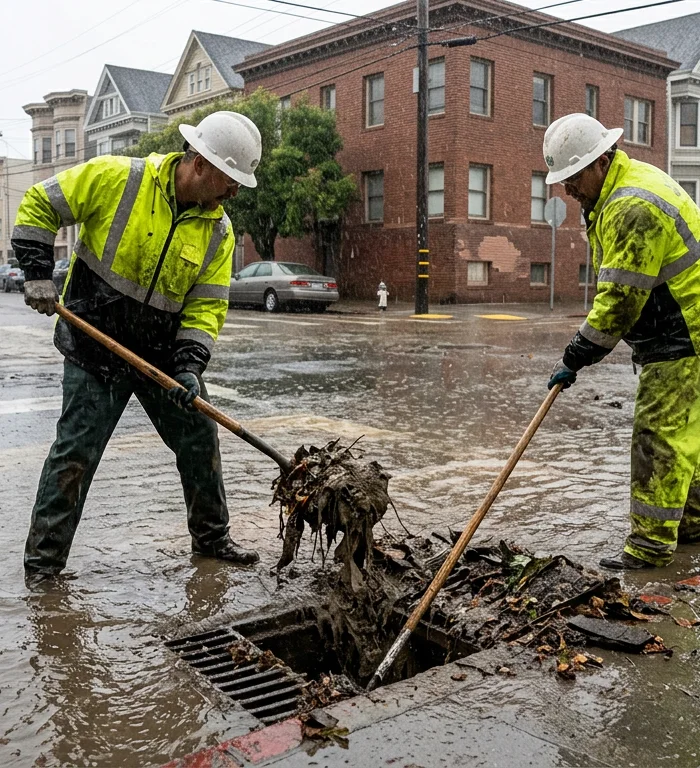
An atmospheric river event is currently impacting California, resulting in record-breaking rainfall, localized flooding, and significant infrastructure strain. San Francisco recorded its highest pre-noon rainfall in 76 years, leading to localized street flooding and the temporary suspension of autonomous vehicle operations. The surge in precipitation has overwhelmed municipal stormwater systems, resulting in sewage discharge incidents in urban areas.
Statewide flood advisories remain in effect, with particular concern for regions previously impacted by wildfires. Areas identified as "burn scars," including Big Sur, Napa Valley, and locations near the 2025 Palisades, Sunset, and Hurst fires, are under heightened risk for flash flooding, mudslides, and debris flows. Local authorities have signaled that evacuation orders may be necessary for residents in these high-risk zones as rainfall continues.
Southern California faces additional threats, including heavy surf, coastal flooding, and potential damage to piers and coastal infrastructure. Forecasts indicate that higher-elevation regions may receive up to one foot of snow, while mountain passes and coastal roads are expected to experience significant travel delays and hazardous conditions. Weather Service has also noted the potential for waterspouts in the San Francisco Bay area.
Institutional risk is compounded by the timing of these events, as seasonal high tides are expected to overlap with storm activity during the upcoming holiday week. This convergence increases the probability of sustained coastal erosion and structural damage to parking and transit facilities. Policymakers and financial stakeholders should monitor the impact on regional supply chains, municipal utility integrity, and the potential for long-term remediation costs in fire-affected districts.
More stories
- FCC approves prison cellphone jamming despite 2.5-mile warning
- Congress tests Black Democrats' growing policy influence
- Cotton faults Lutnick over AI chips allegedly sent to China
- Vance declines to back Iran strikes as Trump defends war
- Paul seeks 20%-30% federal credit for U.S. film shoots
- Trump targets data centers abroad with tax threat to firms
- Cao faces Senate scrutiny over $32.5m-a-day Iran blockade estimate
- Nvidia forms security panel as chip controls tighten again
Latest news
- Trump prepares tariffs on China and other major exporters
- New-car buyers pay record average $50,087 in October
- Banks face ECB reserve debate over liquidity and profits
- Investors see Anthropic debut gains fade below $83 a share
- Iraq orders federal control over Kurdish-area oilfields
- Germans oppose Ukraine aid as poll shows support slipping
- Kim Jong-un receives 10 envoys after constitutional shift
- Ukraine claims Libya strike sinks Russian naval corvette