

Texas Governor-elect Proposes Electronic Surveillance to Replace Big Bend Border Wall
Texas Governor-elect Gina Hinojosa is lobbying the White House to replace physical border wall construction in the Big Bend region with electronic…
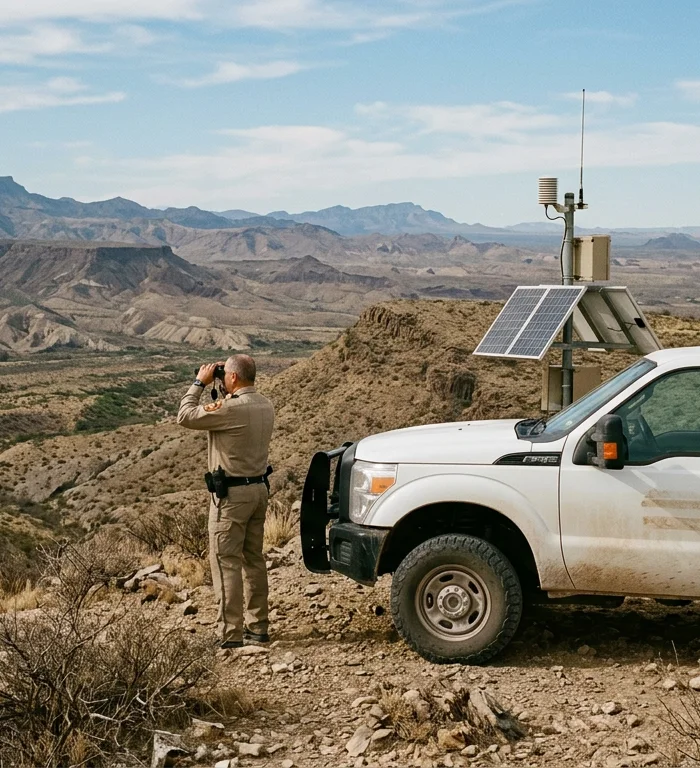
Texas Governor-elect Gina Hinojosa has initiated direct communication with the White House to propose an alternative to the federally mandated border wall construction in the Big Bend region. Hinojosa advocates for the implementation of electronic monitoring and surveillance technology—including cameras, sensors, and fiber-optic infrastructure—as a substitute for physical barriers across the 500-mile sector. This proposal follows recent federal legislation that allocated approximately $46.5 billion for border wall expansion and other security obstacles.
The Big Bend region, which includes significant portions of national park land, has been a focal point of legal and environmental contention. While the Supreme Court recently permitted construction to proceed following a temporary injunction, local landowners and environmental groups continue to challenge the project. Hinojosa’s engagement with regional sheriffs suggests an attempt to build a coalition of local law enforcement support for a technology-focused security strategy, citing concerns over the efficacy and impact of physical barriers in remote, rugged terrain.
Beyond border infrastructure, the incoming administration has signaled a significant shift in state-level immigration policy. Hinojosa intends to review and potentially rescind several executive orders established by the outgoing administration, including directives that mandate state agency cooperation with federal immigration enforcement and restrictions on H-1B visa holders at public institutions. These proposed reversals indicate a potential friction point between state governance and federal immigration mandates.
Observers should monitor the administration’s response to the electronic surveillance proposal, as it directly challenges the federal government’s current reliance on physical wall construction. The tension between state-level policy shifts and federal enforcement priorities, particularly regarding the role of state agencies in supporting federal operations, remains a critical area of institutional risk. The outcome of these discussions will likely determine the operational landscape for border security in Texas through 2027.
More stories
- FCC approves prison cellphone jamming despite 2.5-mile warning
- Congress tests Black Democrats' growing policy influence
- Cotton faults Lutnick over AI chips allegedly sent to China
- Vance declines to back Iran strikes as Trump defends war
- Paul seeks 20%-30% federal credit for U.S. film shoots
- Trump targets data centers abroad with tax threat to firms
- Cao faces Senate scrutiny over $32.5m-a-day Iran blockade estimate
- Nvidia forms security panel as chip controls tighten again
- Stevens backs Rogers for Senate after a Democratic defeat
- Senate contests put Trump's remaining agenda on the line
Latest news
- Russia strikes Ukraine as Odesa faces electricity strain
- Bahrain reports two injuries after Iranian aerial attacks
- Baltic responders fight Sparta II fire after drone strike
- Dietitians advise small swaps for plant-based eating
- Europe faces attribution gap after 16 cyber, physical incidents
- Young adults overestimate life insurance costs by 10 times
- Estonia to close 5 Russia road crossings for six months