

Expansion of Electric Vehicle Offerings Across Major Automotive Brands for 2027
Automakers are aggressively expanding electric vehicle lineups across all segments for 2027, signaling a strategic shift toward broad-market electrification…
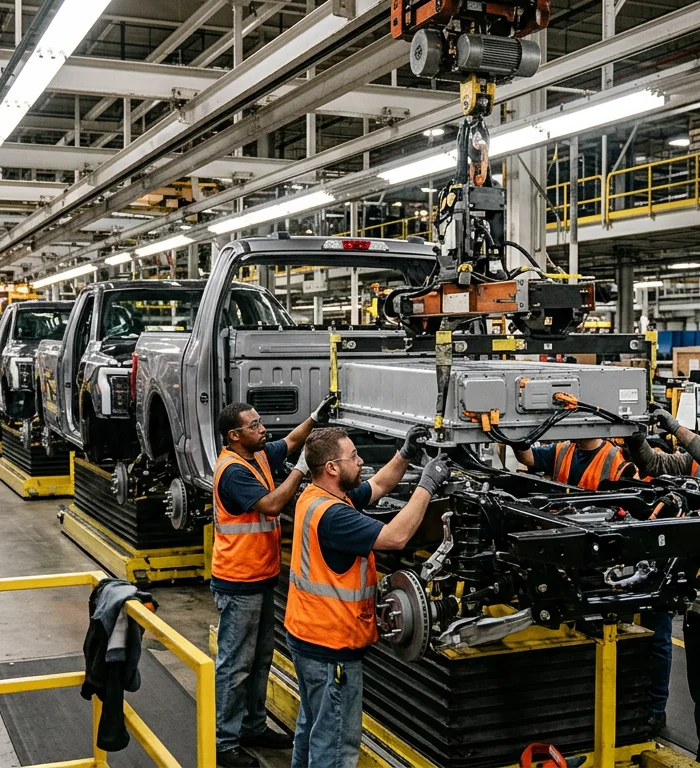
The United States automotive market for 2027 reflects a significant diversification of battery-electric vehicle (BEV) portfolios across both legacy manufacturers and specialized startups. While internal combustion engines maintain a majority market share, the transition toward electrification has moved beyond niche segments into high-volume categories, including full-size SUVs, commercial vans, and heavy-duty pickup trucks.
Major manufacturers have integrated electric powertrains into their core product lines, often utilizing shared platforms to support multiple body styles. Audi, BMW, Cadillac, and Mercedes-Benz have expanded their luxury offerings to include a wider range of sedans and SUVs, while Chevrolet, Ford, and GMC are focusing on the electrification of utility and commercial vehicles. This shift indicates a strategic move to secure market share in the fleet and heavy-duty sectors, which are critical for long-term institutional adoption.
New entrants and specialized brands, such as Lucid, continue to focus exclusively on high-performance electric architectures. Meanwhile, mass-market brands like Hyundai, Kia, and Jeep are leveraging dedicated EV platforms to compete in the compact and mid-size SUV segments, which currently represent the highest consumer demand. The exclusion of hydrogen-powered vehicles from this current market expansion highlights a broader industry consensus favoring battery-electric technology for near-term infrastructure and consumer deployment.
For policymakers and financial stakeholders, this trend signals a maturing supply chain and a broader range of options for corporate fleet electrification. The proliferation of models across diverse segments suggests that manufacturers are prioritizing scale to meet regulatory emissions targets and evolving consumer preferences. Future market stability will likely depend on the continued development of charging infrastructure and the ability of these brands to maintain profitability as competition intensifies across all vehicle classes.
More stories
- The Week in Games: GTA 6 turns attention into cash
- US data centres emit 25.7m tonnes of CO2, Harvard says
- German founders need 3,942 hours to open small business
- Leaked Deutsche Bank files test Sewing's reform narrative
- UAE employers plan 2.8% pay rises for 2027
- Bessent urges Nvidia to seek outside CEO as scrutiny grows
- CapitaLand, Neon target China's $2.8 trillion experience economy
- Listed firms in Indonesia face fire scrutiny as 2.88m hectares burned
- Oil prices drop as Gulf supply routes show signs of relief
- AI supply chains draw Wall Street into China listings boom
Latest news
- Social Security raises 2027 benefits 3.6%
- Hull City 2–0 Brighton: When Resilience Beat Reputation
- David Parr House to honor Victorian art-workman with blue plaque
- Iran's attacks hit 25 tankers near Strait of Hormuz
- FCC approves prison cellphone jamming despite 2.5-mile warning
- Russia strikes Ukraine as Odesa faces electricity strain
- Bahrain reports two injuries after Iranian aerial attacks
- Congress tests Black Democrats' growing policy influence