

Elon Musk Questions $446m Political Expenditure Following Republican Election Losses
Elon Musk has expressed regret over a $446 million political donation following Republican losses, while distancing himself from the MAGA movement amid…
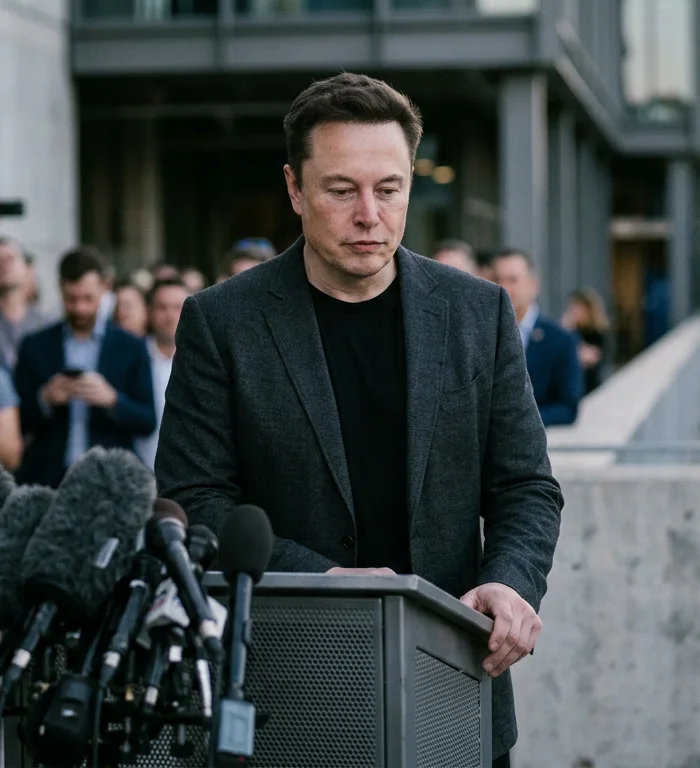
Elon Musk has publicly characterized his $446 million expenditure on the recent U.S. midterm elections as ineffective. The capital was primarily directed toward supporting Republican candidates, with a specific focus on Texas, where major operations for Tesla and SpaceX are headquartered. Despite this significant financial commitment, the Republican Party suffered widespread losses, resulting in Democratic control of both the Senate and the House of Representatives.
Musk noted that while the candidates he supported might have performed worse without his financial backing, the overall return on investment was negligible. The expenditure included at least $45 million allocated to support Ken Paxton’s unsuccessful bid for a U.S. Senate seat in Texas, which was ultimately won by Democrat James Talarico. This outcome is particularly significant given the Democratic Party’s stated intent to increase regulatory scrutiny of the technology sector, specifically regarding data center operations.
Beyond the financial assessment, Musk sought to distance himself from the "Make America Great Again" (MAGA) political movement. He explicitly stated he does not subscribe to the movement's ideology, defining his political stance as independent of blind adherence to Republican Party policies. This clarification marks a shift in his public political positioning following the election results.
The election results have triggered internal friction within the Republican Party, with some members attributing the losses to the influence of President Donald Trump and the impact of his policies on the cost of living. For institutional stakeholders, the primary risk involves the potential for increased legislative and regulatory oversight of tech-heavy portfolios. The shift in congressional control suggests a more challenging environment for companies operating in the technology and infrastructure sectors, as Democrats have signaled a commitment to stricter governance and oversight of corporate data practices.
More stories
- FCC approves prison cellphone jamming despite 2.5-mile warning
- Congress tests Black Democrats' growing policy influence
- Cotton faults Lutnick over AI chips allegedly sent to China
- Vance declines to back Iran strikes as Trump defends war
- Paul seeks 20%-30% federal credit for U.S. film shoots
- Trump targets data centers abroad with tax threat to firms
- Cao faces Senate scrutiny over $32.5m-a-day Iran blockade estimate
- Nvidia forms security panel as chip controls tighten again
- White House drone plot foiled before UFC event, FBI states
- Immigration funding stalls as Republicans reject fund plan
Latest news
- Trump prepares tariffs on China and other major exporters
- New-car buyers pay record average $50,087 in October
- Banks face ECB reserve debate over liquidity and profits
- Investors see Anthropic debut gains fade below $83 a share
- Iraq orders federal control over Kurdish-area oilfields
- Germans oppose Ukraine aid as poll shows support slipping
- Kim Jong-un receives 10 envoys after constitutional shift
- Ukraine claims Libya strike sinks Russian naval corvette