

Democratic Leadership Faces Internal Opposition Amidst Calls for Generational Change
Democratic leaders Chuck Schumer and Hakeem Jeffries face internal calls for replacement, though no formal challengers have emerged to contest their…
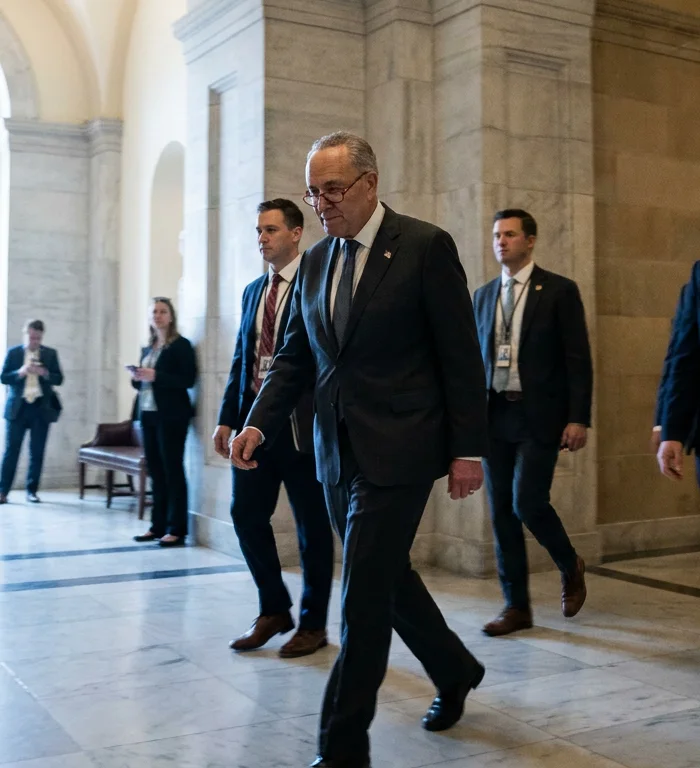
Democratic leadership in both the Senate and the House of Representatives is facing internal pressure to transition to new leadership following the recent election cycle. Despite successfully securing a majority, Senate Majority Leader Chuck Schumer and House Democratic Leader Hakeem Jeffries are encountering public skepticism from incoming members regarding their continued tenure. At least six incoming Democratic senators have indicated they will not support Schumer, while several incoming House members remain noncommittal toward Jeffries.
Internal dissent in the Senate is characterized by calls for a generational shift and criticism regarding the party's strategic direction. While Schumer’s allies emphasize his role in securing the majority—supported by nearly $407 million in spending by the Senate Majority PAC—critics argue that the current leadership fails to address the urgency of the political moment. Despite these challenges, Schumer’s office maintains that he retains sufficient support to secure the majority leader position in the upcoming anonymous caucus vote.
Senate Majority Leader Chuck
In the House, opposition to Jeffries includes a high-profile online petition and specific demands for policy shifts regarding foreign affairs. However, the legitimacy of the online campaign has been questioned, as the petition creator is a compensated affiliate of the platform hosting the initiative. Furthermore, Democratic aides have identified a coordinated digital influence campaign, including the use of AI-generated content, intended to undermine Jeffries’ leadership.
Despite the vocal opposition, no viable alternative candidates have formally declared their intent to challenge the current leadership. Potential challengers, such as Senator Chris Van Hollen, have reportedly signaled no interest in pursuing the leadership role, focusing instead on other political objectives. Key progressive figures in the House have already reaffirmed their support for Jeffries, suggesting that the internal friction may not translate into a successful leadership coup. The final determination of House leadership will occur in January, requiring a majority of the full chamber, while the Senate will finalize its leadership through an internal caucus vote in early December.
More stories
- FCC approves prison cellphone jamming despite 2.5-mile warning
- Congress tests Black Democrats' growing policy influence
- Cotton faults Lutnick over AI chips allegedly sent to China
- Vance declines to back Iran strikes as Trump defends war
- Paul seeks 20%-30% federal credit for U.S. film shoots
- Trump targets data centers abroad with tax threat to firms
- Trump staff shake-up puts Miller in Wiles’ White House position
- Stephen Miller succeeds Wiles as White House chief of staff
Latest news
- Trump prepares tariffs on China and other major exporters
- New-car buyers pay record average $50,087 in October
- Banks face ECB reserve debate over liquidity and profits
- Investors see Anthropic debut gains fade below $83 a share
- Iraq orders federal control over Kurdish-area oilfields
- Germans oppose Ukraine aid as poll shows support slipping
- Kim Jong-un receives 10 envoys after constitutional shift
- Ukraine claims Libya strike sinks Russian naval corvette