British Teen Pleads Guilty to Arson at Iran International London Office
A British teenager has admitted guilt in an arson attack targeting the London offices of Iran International, highlighting ongoing tensions related to Iranian…
Omar Farouk ·
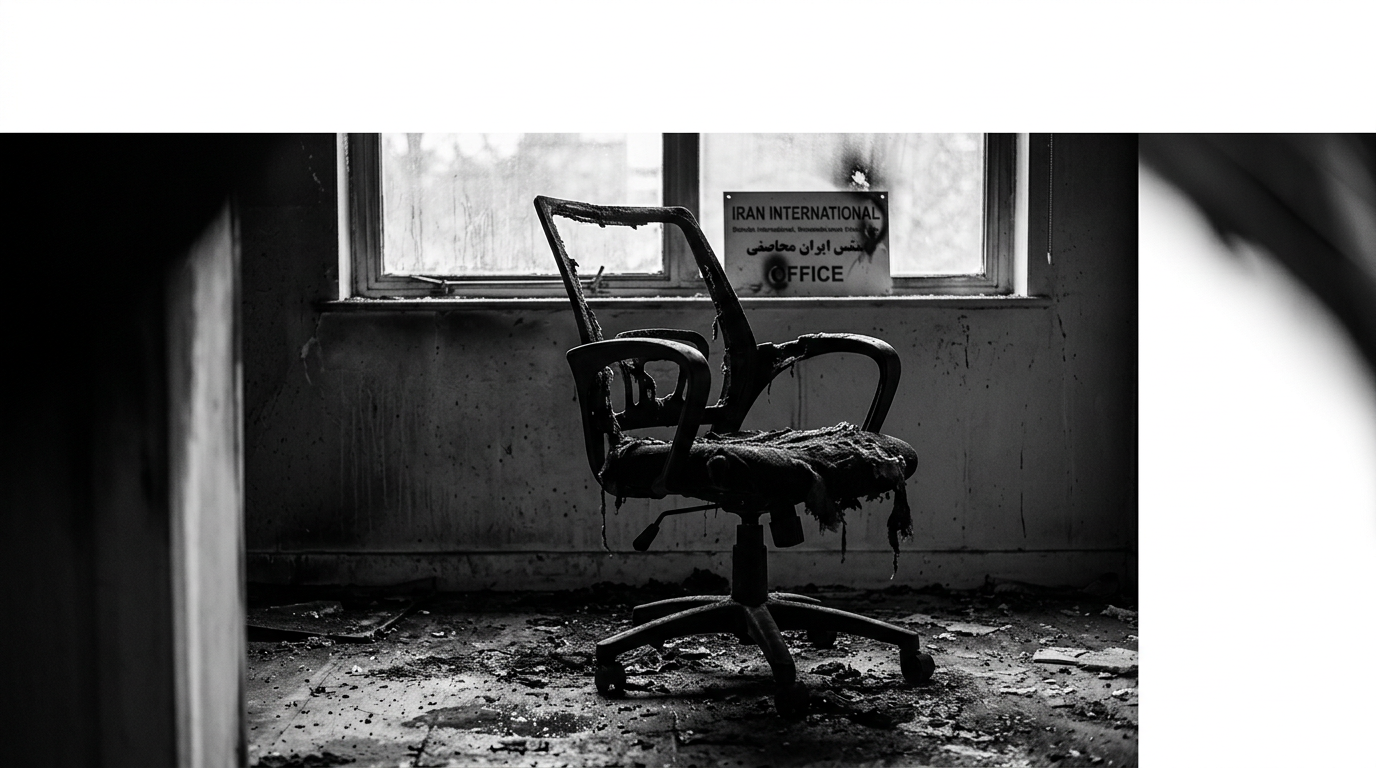
A 16-year-old British teenager pleaded guilty on Friday to an arson attack at the London offices of Iran International, a Persian-language news channel. This development follows a wider UK police investigation into threats against the media outlet.
Channel's Role in Dissent
Iran International, founded in 2017, operates as a prominent Persian-language news channel broadcasting from London. It is widely perceived as critical of the Iranian government, providing extensive coverage of anti-government protests and dissenting voices. Funding for the channel has often been attributed to Saudi Arabia, positioning it as an outlet aligned with regional opposition to Tehran.
The Islamic Revolutionary Guard Corps (IRGC), a branch of Iran's armed forces, has been described by Western nations as a key instrument of the Iranian state's foreign and domestic policy, including its intelligence operations. Past threats against journalists associated with Iran International have been linked to individuals and groups allegedly acting on behalf of the Iranian regime. These incidents underscore a history of alleged attempts by Iranian authorities to intimidate or silence critics operating outside Iran's borders.
Global Implications of Media Attacks
This incident, though localized to London, illustrates the transnational reach of political tensions stemming from Iran. The targeting of a media organization in a Western capital suggests an escalation in perceived efforts to suppress critical reporting and dissident activity beyond Iran's physical borders. Such actions contribute to a climate of fear among diaspora communities and raise questions about the safety of journalists covering sensitive geopolitical issues.
Iran International
The attack reflects broader regional dynamics where media outlets often become proxies in geopolitical rivalries. Disruptions to media freedom and safety in global hubs like London can have spillover effects on international relations, potentially affecting diplomatic exchanges and security cooperation between involved nations. The UK's response to such incidents reflects its commitment to press freedoms and its stance on state-sponsored interference on its soil.
Observing Further Inquiries
Any additional statements or intelligence findings from UK security services regarding the masterminds or motivations behind the attack will be closely watched. Specific focus will be on any evidence that might implicate state actors in the arson, which could further strain diplomatic relations.