Ben-Gurion Strike Threat Raises Economic Stability Concerns
Israel Airports Authority chief Yiftah Ron Tal warned that those behind the Ben-Gurion Airport strike would "pay the price," escalating a labor dispute that…
Omar Farouk ·
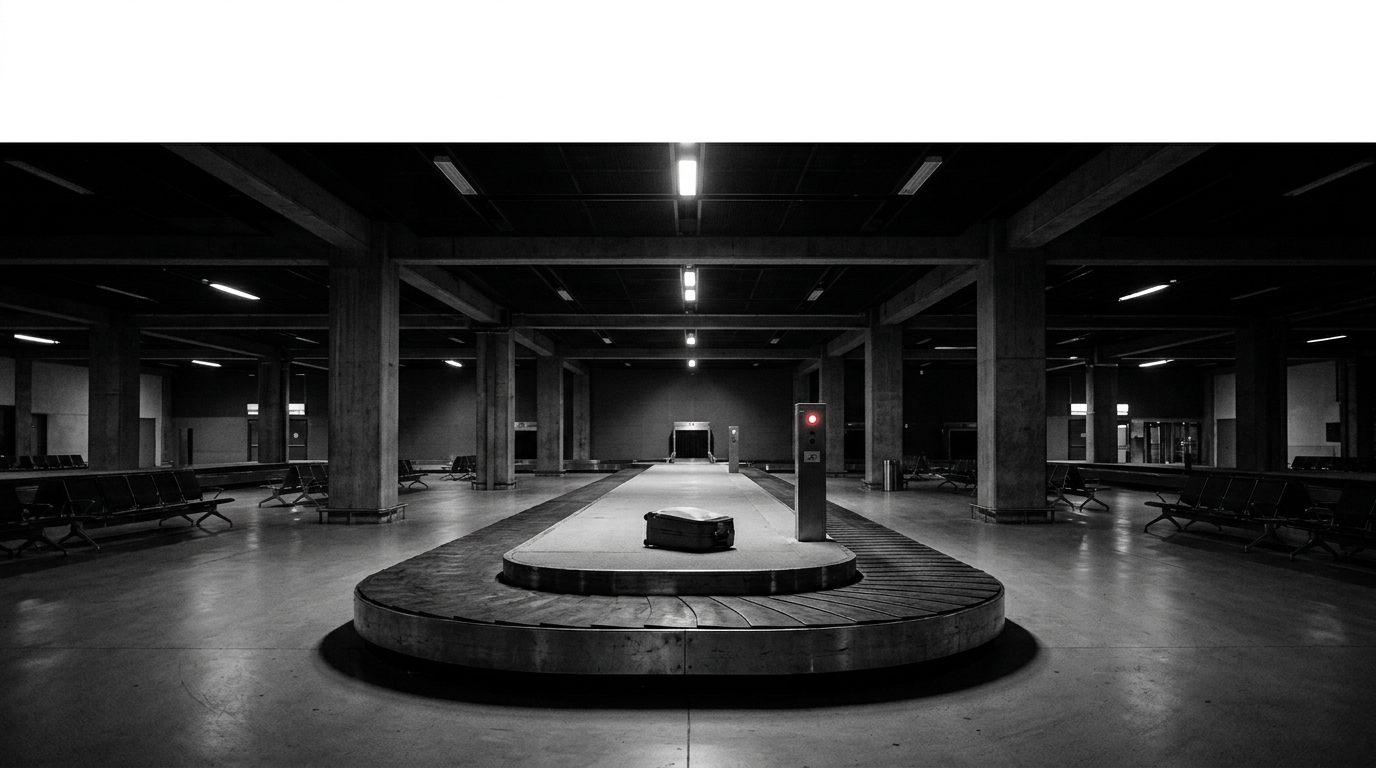
Israel Airports Authority (IAA) chief Yiftah Ron Tal stated that those responsible for the disruption at Ben-Gurion Airport would "pay the price," labeling the strike chaos as "bullying and intolerable behavior." The strong rebuke follows industrial action that affected operations at the country's primary international airport, signaling a potential escalation in labor tensions.
Labor Confrontation at Key Gateway
The recent industrial actions at Ben-Gurion Airport, Israel's sole international aviation hub, stem from ongoing disputes between airport workers and the IAA. These actions, which have caused flight delays and operational disruptions, reflect broader labor frustrations within key Israeli sectors. The Histadrut, Israel's largest labor federation, frequently plays a central role in these negotiations, often mobilizing workers across various industries to press for demands related to wages, working conditions, or privatization.
Israel has experienced several significant labor disputes in Israel has experienced several significant labor disputes in recent years, particularly during periods of political and economic strain. Protests against proposed judicial overhauls saw widespread strikes by professionals, including medical staff and technology workers, highlighting the power of unions to influence national policy and daily life. Such actions underscore a societal willingness to leverage collective bargaining, even at the cost of short-term economic disruption.
Economic Lifeline Faces Disruption
Ben-Gurion Airport serves as a critical artery for Israel's economy, facilitating international trade, tourism, and diplomatic access. In 2023, the airport handled over 21 million passengers, according to IAA data, underscoring its role as a gateway for business and leisure. Disruptions at this scale can have cascading effects, impacting the technology sector's ability to engage globally and deterring foreign investment and tourism crucial for economic growth.
The airport's strategic importance extends beyond mere passenger numbers; it is essential for the movement of high-value goods, particularly for Israel's burgeoning tech industry. Any sustained disruption jeopardizes supply chains and international business operations, potentially weakening investor confidence. This vulnerability is especially pertinent given Israel's economic reliance on international connectivity for export-driven growth and innovation.
Broader Stability Implications
Israel Airports Authority
An unresolved labor conflict at Ben-Gurion Airport could signal wider social and political instability, affecting regional perceptions of Israeli reliability. While the immediate issue is an internal labor dispute, its potential to freeze critical infrastructure could be interpreted as a sign of government weakness in managing domestic dissent, particularly amidst ongoing regional security challenges. This dynamic could influence the global macro picture by introducing uncertainty into a region already prone to volatility. The episode also highlights the delicate balance between government authority and the power of organized labor in a democratic society. A protracted dispute could divert government attention and resources from pressing security and foreign policy matters. Furthermore, if the situation escalates to a full-scale strike, it could lead to significant economic losses, affecting GDP growth forecasts for Israel and potentially contributing to inflationary pressures if import/export channels are significantly hampered. Future Union Actions and Government Response Further actions or statements from the Histadrut labor federation or other relevant unions regarding the airport workers' demands and the IAA's threats are expected. The government's capacity to mediate or enforce a resolution without further disruption will be crucial. Observers will watch whether the IAA's firm stance leads to a swift resolution or entrenches the unions, potentially leading to more widespread industrial action.