Beijing eyes WHO leadership as six rivals go public first
China plans to nominate Song Li to lead the WHO after the US withdrawal, according to four diplomats and another informed source.
Mei Lin ·
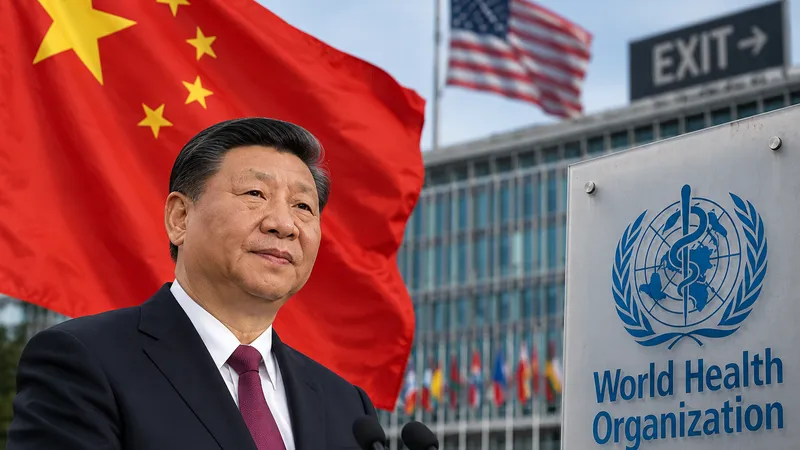
China plans to nominate Song Li to lead the WHO after the US withdrawal, according to four diplomats and another informed source.
The prospective bid would bring a Chinese candidate into the contest to replace director general Tedros Adhanom Ghebreyesus while the World Health Organization is reducing operations. Washington's departure has removed its biggest financial contributor, leaving the next leader to oversee an institution with fewer resources.
The sources identified Song as a senior official whose public health career includes two decades working on policy for mothers and children and cooperation across borders. Neither Song nor China's diplomatic mission in Geneva immediately provided a response when approached for comment.
Six candidates precede China's planned entry
The nomination process is already under way, although the WHO has not yet published the full field. Its website identifies six contenders from Saudi Arabia, Belgium, Qatar, Botswana, Indonesia and Spain who have made their candidacies public.
The agency plans to disclose all nominees once its remaining regional committee sessions conclude, with that stage expected in early November. Song's prospective entry therefore comes after several competitors have publicly established their bids, but before the WHO releases its complete roster.
A successful candidacy would make Song the second person from China to run the organization, following Margaret Chan. Her selection remains a conditional outcome: the sources described a nomination plan, not a confirmed appointment or an assessment of her support among member countries.
US departure leaves funding unresolved
China's planned bid follows its efforts to assume a larger role in United Nations institutions and other international organizations. President Donald Trump's administration, by contrast, has been reducing American participation in the UN system.
One diplomatic source interpreted the proposed nomination as evidence that Beijing wants to occupy space left by Washington's retreat. That assessment describes a diplomatic opportunity for China, rather than an explanation Beijing has publicly offered for choosing Song.
The WHO's financial retrenchment gives the leadership contest an operational dimension. Following the loss of US funding, the organization has reduced its activities, removed senior posts and cut thousands of jobs.
Beijing has pledged more money to the agency, but that commitment does not approach the funding previously supplied by Washington. Choosing a director general and replacing the missing donor support are separate challenges; a change in leadership would not itself establish how the shortfall will be covered.
Pandemic disputes frame Song's prospective bid
The Trump administration criticized the WHO's pandemic response and alleged that the agency favored China, an accusation the organization denies. Those disputes provide a politically sensitive backdrop to a potential Chinese candidacy, without establishing wrongdoing by Song.
Song served as editor-in-chief of a 2020 paper setting out coronavirus prevention guidance for women in China. The publication addressed national standards for protecting maternal and child health during the pandemic, connecting her policy experience to an issue that remains contested in relations between Washington and the WHO.
The agency continues to coordinate responses to health emergencies, including the Ebola outbreak in the Democratic Republic of Congo. Publication of the complete candidate list should clarify whether Song enters the contest; whoever succeeds Tedros will face the separate task of managing those responsibilities after the funding cuts.