Nicaragua quits regional parliament after OAS rights vote
Nicaragua said it will leave the Central American Parliament immediately after an OAS resolution demanded political freedoms.
Claire Dubois ·
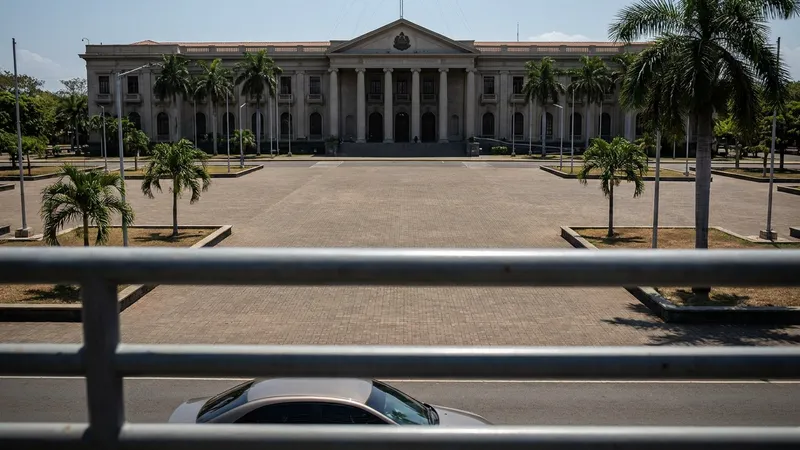
Nicaragua will leave the six-country Central American Parliament immediately, widening its diplomatic break, the foreign ministry said.
The ministry announced the decision on Saturday, one day after the Organization of American States approved a resolution calling on Nicaraguan authorities to free people it described as political prisoners and restore civil liberties. Nicaragua left the OAS in 2023 after saying the body had become an instrument of US intervention.
The withdrawal targets the 1987 treaty that created the regional parliament, a forum built for Central American political coordination after years of conflict in the region. The foreign ministry said Nicaragua was denouncing the treaty in the exercise of its sovereignty, but gave no detailed timetable beyond immediate effect.
A 1987 treaty exit
The Central American Parliament covers six countries and was designed as a regional political chamber rather than a body with the powers of a national legislature. Nicaragua's departure removes one member from that forum and narrows another channel through which outside governments can press Managua on democratic standards.
The government did not provide further comment beyond the foreign ministry statement. That leaves open how Nicaragua will handle representation, administrative obligations or any legal disputes tied to the treaty withdrawal.
The timing matters because the move follows a series of exits from international bodies that have criticized President Daniel Ortega's government. In 2025, Nicaragua said it would withdraw from the United Nations Human Rights Council after a UN report urged foreign governments to respond to alleged human rights violations in the country.
OAS pressure precedes move
The OAS resolution on Friday called for the release of political prisoners and the restoration of civil liberties, according to the text described by the organization. Nicaragua was no longer an OAS member when the vote took place, but the resolution kept the country on the regional diplomatic agenda.
Managua's conflict with multilateral institutions dates back to the political crisis that began in April 2018. Social protests suppressed by police led to more than 350 deaths, 2,000 injuries and thousands of detentions and departures from the country, according to figures cited in international reporting at the time.
Those events reshaped Nicaragua's external relations and domestic politics. Since then, foreign criticism has centered on political detention, restrictions on civil society and the concentration of state power under Ortega and Vice President Rosario Murillo.
Ortega and Murillo consolidate power
Ortega has held the presidency continuously since 2007 after an earlier term in the 1980s. In July, the government run by Ortega and Murillo announced that the country would no longer hold elections, removing the formal contest that had remained in the political system.
For Nicaragua's government, leaving the parliament reduces exposure to a regional institution that could criticize its internal direction. For neighboring governments, it limits one forum for political engagement while leaving bilateral ties, migration policy and economic contacts as the main channels still available.
The sector effects are mostly institutional rather than corporate: regional bodies lose leverage when a member chooses exit over debate. Civil society groups, opposition figures and exiles may also find fewer formal venues in which to press claims before Central American representatives.
Three paths for Managua
If the withdrawal remains a procedural break and no new sanctions or aid restrictions follow, the macro effect is likely to stay limited and regional trade channels may continue through separate agreements. In that case, Ortega's government would gain symbolic distance from external scrutiny, while the parliament would absorb the loss as a governance setback rather than an economic shock.
If OAS and UN pressure is followed by tougher bilateral measures, the mechanism would run through financing, visas, aid, trade preferences or migration flows rather than through the parliament itself. That path would tighten Nicaragua's diplomatic room, add pressure on households already affected by emigration and force regional governments to manage more political spillover.
If Managua offers releases or limited civil-liberties concessions, regional pressure could shift back toward negotiation, though no such step was announced in the statement. The main open questions are whether the treaty exit is legally contested, whether other governments coordinate a response and whether Nicaragua's remaining institutional links narrow further after the immediate withdrawal.