

EU methane rule faces three-year delay push by gas groups
Industry says uncertainty threatens supply contracts, while analysts and some officials say the compliance problems are real but not decisive.
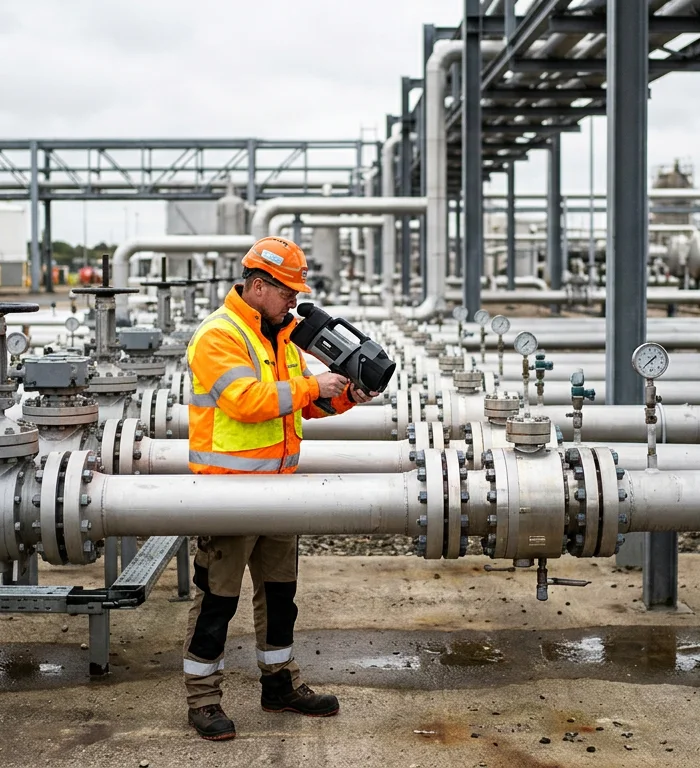
EU institutions are preparing to delay implementation of the EU Methane Regulation, Politico Europe reported in a Nov. 18 news report, as oil and gas companies seek at least three years.
The move would postpone rules requiring importers to monitor methane emissions; member countries back a one-year delay, compared with the minimum three years sought by IOGP Europe, an oil and gas lobby group.
The regulation would require oil and gas companies selling into the bloc to monitor methane, a greenhouse gas linked to global warming. Industry has argued for more than a year that the EU has not given enough detail on independent verification and other compliance steps.
Companies say unclear guidance creates legal risk for new exports to Europe. Supporters of the rules counter that the text is workable and that national governments have been slow to implement it.
“I would just say we made it work,” Lithuanian Energy Minister Lukas Savickas told Politico Europe last month, after Lithuanian state energy firm Ignitis signed a 10-year supply agreement with EQT. “We are a country which is trying to find ways to get things done."
The dispute matters for Europe’s gas procurement because long-term contracts help underpin investment in supply. Charlie Riedl, executive director of the U.S. gas lobby group Center for LNG, told Politico Europe that Europe signed fewer supply deals in 2026 than Asia because of the methane rules.
"Companies can't commit to 20 years of supply when they don't know whether they'll be able to comply, and that uncertainty is holding back the long-term commitments that finance new U.S. supply," Riedl said.
S&P Global Energy data cited by Politico Europe show the volume of gas contracted in deals naming EU countries as the destination between January and October 2026 was almost half the 2025 level. The data also showed more shorter-duration deals and more contracts allowing EU buyers to redirect cargoes outside the bloc.
Analysts cautioned against attributing the decline solely to methane regulation. Laurent Ruseckas, a senior gas analyst at S&P Global Energy, pointed to Europe’s preference for spot purchases, a 2025 rebound after U.S. President Donald Trump eased Biden-era export restrictions, and weaker European demand linked to renewables and industrial decline.
“These are massive strategic decisions taken at the board level with massive consequences,” Ruseckas said, adding that for liquefied natural gas the methane regulation was a minor factor despite its flaws.
The European Commission argues the uncertainty stems from weak political will among member countries rather than the design of the law. Denmark says it has fully implemented the rules, while Germany and France have indicated privately that one year is enough, according to two diplomats cited by Politico Europe.
There are still implementation concerns. France has led countries seeking concrete milestones, and some industry figures said contracts now include risk-sharing terms, exit clauses or flexibility to ship outside Europe.
Deals have continued despite the friction. German state energy company SEFE signed LNG agreements with Argentina and Canada this year with compliance provisions, while Alexandros Exarchou, a Greek energy executive, told Politico Europe that European companies can still conclude significant U.S. supply deals, adding: "That does not mean the EU Methane Regulation is without challenges."
Member countries want the option to extend a one-year delay if the Commission does not issue detailed guidance by June 2027.
More stories
- Ruto pledges police reforms after 127 protest deaths
- Botswana ranks last for feeling safe after dark at 28%
- Connected Advocacy and 7 partners seek local climate finance control
- Russian strikes leave many Kyiv homes with 4 hours of power
- Cebu groups seek probe into protest dispersal with more than 20 hurt
- Malaysia AG warned Najib house arrest risked stability
- Prosecutors face De Kock claim over apartheid command evidence
- Singapore lifts retirement age to 65 from 2029
Latest news
- Average 30-year mortgage APR falls 21bp to 7.13%
- Home insurers charge low-score homeowners nearly $2,000 more
- German founders need 3,942 hours to open small business
- Türkiye Desk: GTA 6 puts console access and network demand in focus
- Liberia to cut port charges, add 30 days of free storage
- Leaked Deutsche Bank files test Sewing's reform narrative
- CMS raises Medicare Part B premium $6.50 for 2027