

5.1-magnitude earthquake strikes southern Iran near critical energy hubs
Seismic activity in the Hormuz region follows a tremor off the UAE coast, testing infrastructure resilience in the Gulf’s primary energy corridor.
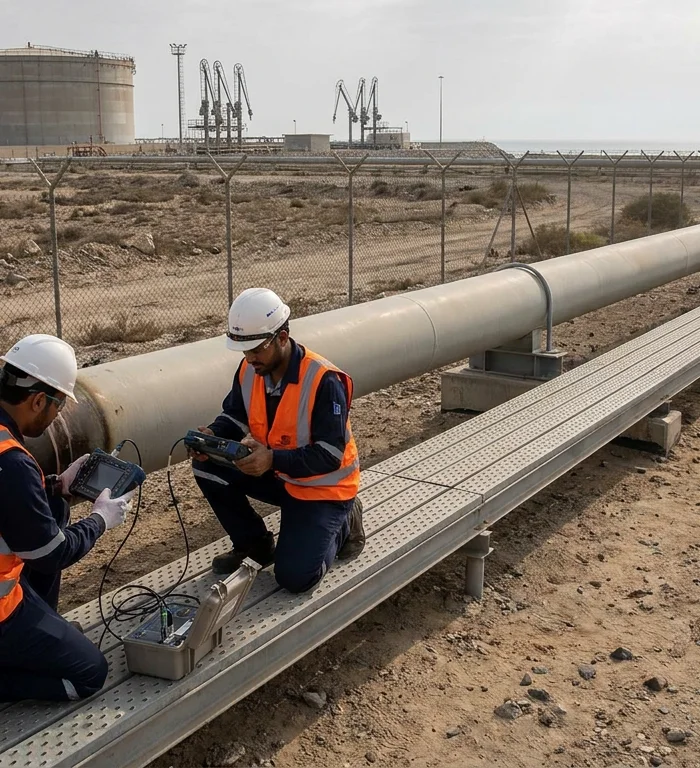
Seismic activity hits Hormuz corridor
A 5.1-magnitude earthquake struck southern Iran on Wednesday, according to tracking data from the National Seismic Network. The tremor followed an earlier, smaller seismic event detected off the coast of Dibba Al Fujairah in the United Arab Emirates.
The National Seismic Network recorded the activity as part of a series of tremors affecting the broader Strait of Hormuz region. Monitoring stations across the Gulf are currently assessing the impact on regional infrastructure.
Geological context of the Zagros belt This region serves as the primary fault line The tremors occurred within the Zagros fold and thrust belt, a complex geological formation known for frequent seismic activity. This region serves as the primary fault line separating the Arabian and Eurasian tectonic plates, making it one of the most seismically active zones in the Middle East. Gulf Cooperation Council states have historically prioritized infrastructure resilience in this zone. Regional governments have periodically updated building codes and disaster preparedness protocols to mitigate risks to high-density capital projects and critical utility installations. Infrastructure exposure in energy hubs The seismic event draws immediate focus to the UAE’s Fujairah terminal, a strategic asset located on the eastern coastline. As a vital bypass for Gulf oil exports designed to circumvent the Strait of Hormuz, the facility represents a central node in global energy supply chains.
Beyond export terminals, the proximity of desalination plants to these active fault lines presents a recurring operational variable. Analysts monitor these events to evaluate the structural integrity of pipeline networks and the reliability of essential water and energy services across the eastern emirates.
Assessment of regional resilience
The primary uncertainty remains the potential for localized structural damage within the immediate vicinity of the fault zones. While low-to-moderate tremors are geologically common, the concentration of industrial assets in the region necessitates rigorous post-event inspections by operators.
If technical assessments indicate that critical pipelines and storage facilities remain unaffected, the event serves as a validation of current capital project engineering standards. Conversely, any reports of structural compromise could trigger insurance re-evaluations for industrial operators throughout the Hormuz corridor.
More stories
- Germans oppose Ukraine aid as poll shows support slipping
- Kim Jong-un receives 10 envoys after constitutional shift
- Ukraine claims Libya strike sinks Russian naval corvette
- COP31 climate talks collapse over fossil fuels and funds
- Russian military faces 1,087 recorded suicides in Ukraine war
- US faces China, Russia in Africa minerals contest
- Pakistan lacks China, Uzbekistan and Tajikistan backing for strikes
- JR Central and JR West to raise Tokyo-Shin-Osaka fare by ¥700
- EU migration framework targets sudden border surge rules
- China Iran talks press Hormuz reopening before Xi-Trump
Latest news
- Trump prepares tariffs on China and other major exporters
- New-car buyers pay record average $50,087 in October
- Banks face ECB reserve debate over liquidity and profits
- Investors see Anthropic debut gains fade below $83 a share
- Iraq orders federal control over Kurdish-area oilfields
- Nvidia shares retreat as AI rally cools before PCE data
- Macy’s parade faces balloon limits as storm winds approach