

Pakistan lacks China, Uzbekistan and Tajikistan backing for strikes
The gap followed a failed Moscow Format communique and reflects Pakistan’s heavier exposure to militant violence than other Afghan border states.
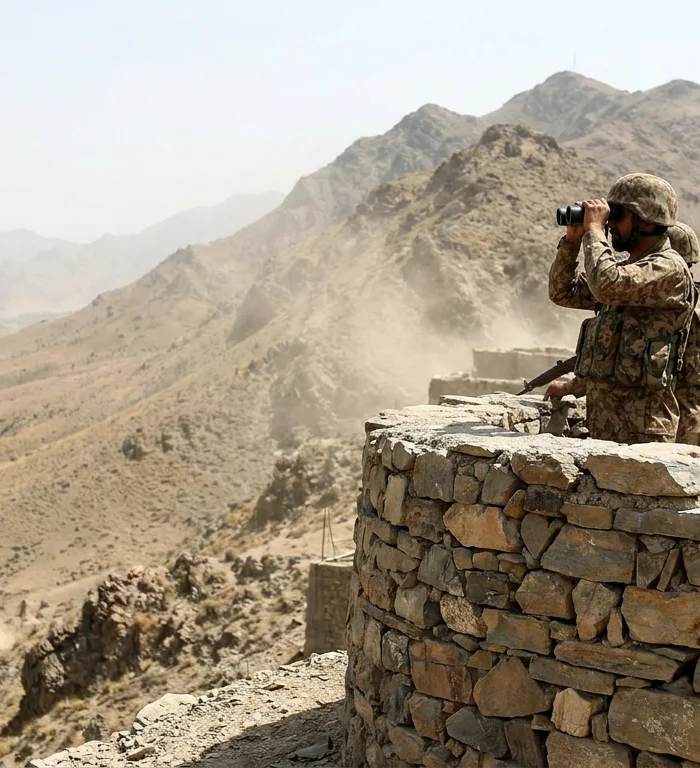
China, Uzbekistan and Tajikistan have not backed Pakistan’s airstrikes in Afghanistan after September 18 and September 26 attacks killed about 44 people, The Diplomat analysis said on October 9.
The gap matters for Islamabad because the analysis cited a wider Pakistani threat: 1,232 militant attacks in the first nine months of 2026, exceeding the full-year 2025 total by 169.
The Moscow Format meeting in Moscow on October 5 brought together senior officials from regional countries to discuss Afghanistan, counterterrorism and counter-narcotics cooperation. It ended without a joint statement after Pakistani and Afghan delegates split over language on terrorism, the analysis said.
The September 18 and September 26 attacks in Pakistan’s Khyber Pakhtunkhwa province killed about 44 people and injured about 138, according to the analysis. Pakistan then struck targets in Afghanistan that it believes were training camps and hideouts for Tehreek-e-Taliban Pakistan, or TTP, and associated factions.
Pakistan’s delegation said the Taliban were complicit because militant groups operated from Afghan territory with impunity, the analysis said. The Taliban said Pakistan used military force in breach of international law and that the dispute could be handled through talks.
Russia’s special envoy for Afghanistan, Zamir Kabulov, said Afghan delegates had accepted similar wording last year and that changed Pakistan-Afghanistan relations may have driven Kabul’s objection.
The Diplomat said China, Uzbekistan and Tajikistan face different threat levels and have less incentive to risk working relations with Kabul over Pakistan’s demands. For those governments, military force is not viewed as the most effective response, the analysis said.
China’s Afghan border is about 92 kilometers, running through the Wakhan Corridor and the nearly 5,000-meter Wakhjir Pass. Beijing’s main stated concern is the East Turkestan Islamic Movement, and the Taliban have reportedly moved its fighters away from the border, leaving China with a smaller immediate cross-border risk, the analysis said.
Uzbekistan’s border with Afghanistan is 144 kilometers, mostly along the Amu Darya, with regular movement concentrated at the guarded Termez-Hairatan road and rail crossing. The analysis said groups of concern to Tashkent have shown limited cross-border capacity, citing a 2022 rocket incident near Termez that caused no casualties.
Tajikistan’s exposure is closer to Pakistan’s because it shares about 1,374 kilometers of border with Afghanistan, much of it remote and difficult to monitor. In November 2025, two cross-border attacks from Afghanistan’s Badakhshan province killed five Chinese workers in Tajikistan, while Kabul offered investigative help and arrested suspects after such attacks, the analysis said.
Pakistan’s Afghan frontier is longer, at 2,640 kilometers, and runs through Pashtun and Baloch communities on both sides. Afghanistan has never recognized the border since Pakistan’s founding, and militants continue to cross despite fencing begun in 2017, the analysis said.
Islamabad’s main concerns are the TTP, the Balochistan Liberation Army and Islamic State Khorasan Province. Pakistan says all three have a presence in Afghanistan, while United Nations monitors estimate the TTP has about 6,000 fighters there.
Taliban cooperation with Pakistan remains disputed. The Taliban leadership describes TTP members as Pakistani refugees and refuses to classify them as militants, while United Nations monitors report the group receives greater freedom and support from Taliban authorities, according to the analysis.
More stories
- Egypt offers Saudi defense help, seeks parliament's role
- Magyar puts Hungary's euro plans before first budget test
- Israeli settlers attack West Bank olive harvest, hurt two
- Zelenskyy says Starshield limits weaken Ukraine defenses
- Macua's Rutledge challenges mining boom after R1 trillion profit
- WHO backs Kenya Ebola response after second case
- JR Central and JR West to raise Tokyo-Shin-Osaka fare by ¥700
- Bangladesh faces 1,147 deaths in measles outbreak
- Trump-Xi Summit Delivers Pageantry, but the Hardest Questions Get Pushed to November
- Houthi offensive strains Saudi oil, debt and alliance plans
Latest news
- Wall squats may lower blood pressure after four weeks
- 8-hour eating windows beat controls by 5 pounds in TRE trials
- Researchers link diabetic ulcers to stalled immune repair
- Loneliness and isolation linked to 5.8 fewer healthy years
- Weiss warns of breast cancer care gap after treatment
- CoreWeave gains ARK backing as borrowing concerns persist
- DeepSeek updates AI model as speed and cost rivalry grows
- CoreWeave bond yields hit 15% as AI funding doubts deepen