

Zelenskyy says Starshield limits weaken Ukraine defenses
Zelenskyy says Starshield restrictions impede Ukraine’s defenses, while Trump denies ordering limits on the military communications system.
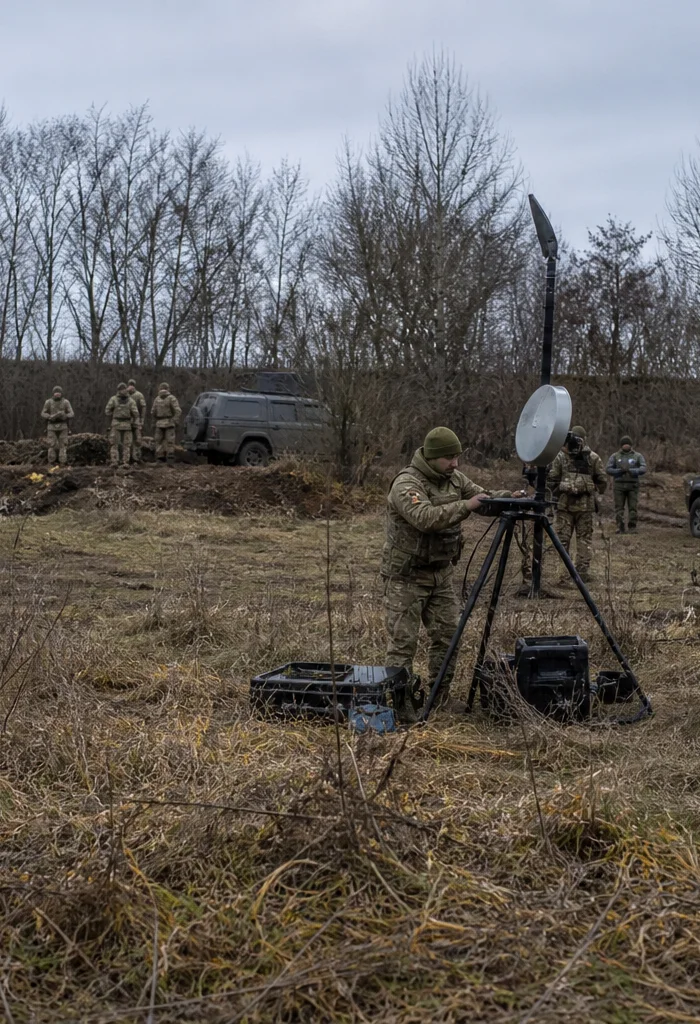
Zelenskyy says Starshield restrictions impede Ukraine’s defenses, while Trump denies ordering limits on the military communications system.
President Volodymyr Zelenskyy said Ukrainian officials tested connected vehicles elsewhere in Europe and found normal performance, unlike inside Ukraine. He presented the comparison as evidence of deliberate restrictions, although it does not independently establish who imposed them or why.
Starshield access becomes a disputed vulnerability
Zelenskyy told reporters through WhatsApp audio messages that slower communications were interfering with air defense, artillery operations and deliveries to frontline forces. His account puts military connectivity at the center of a disagreement with Washington over support for Kyiv.
Ukraine uses Starshield, described in the supplied account as a military-oriented counterpart to SpaceX’s Starlink service, for battlefield communications. Zelenskyy said the system also supports interceptors deployed against Russian drones, making connection reliability an operational issue rather than simply a question of internet speed.
Connections fail when equipment travels faster than 161 kilometers per hour, compared with roughly 400 kilometers per hour for Russian jet-powered drones, Zelenskyy said. He said losing the communications link can also mean losing an interceptor, but no technical records accompanying his account establish the mechanism behind the reported failures.
Zelenskyy accused President Donald Trump and Elon Musk of directing the restrictions. Trump denied issuing such an instruction and said he did not believe Musk had done so; Musk separately attributed decisions about service limits to American military authorities and, ultimately, the president.
Energy waiver widens Washington’s disagreement with Kyiv
The connectivity dispute coincides with a separate clash over Russian energy exports. Trump said he exercised waiver authority to suspend tariff enforcement on national-interest grounds, according to the executive-order wording reproduced in the supplied material.
Zelenskyy condemned that decision after reporting that Russian forces had struck 15 Ukrainian facilities involved in electricity generation or transmission. He argued that easing economic pressure on Moscow would encourage further attacks; that is his assessment, not an independently established consequence of the waiver.
Trump’s stated objective for an arrangement involving Russian diesel was to reduce American fuel costs. Russian presidential envoy Kirill Dmitriev welcomed closer economic cooperation, while Senator Elizabeth Warren urged Congress to overturn the arrangement and strengthen support for Ukraine.
The positions expose competing priorities within the dispute: Trump emphasized American economic interests, while Zelenskyy sought continued pressure on Russia. Warren’s criticism also places congressional scrutiny alongside the disagreement between Washington and Kyiv.
Technical evidence holds the next answers
If Ukraine’s reported connection failures persist, the operational risk identified by Zelenskyy would remain: interrupted links during interception missions and disrupted frontline coordination. For SpaceX and military communications providers, that scenario would focus attention on who controls service conditions and how customers can challenge restrictions.
If the reported limits are removed, improved access would address the communications problem Zelenskyy describes, without resolving the separate dispute over Russian energy policy. Neither a timetable for restoring service nor an agreed technical explanation appears in the supplied account.
For energy markets, any effect from additional Russian diesel would depend on actual deliveries, not the announcement alone. The immediate unresolved questions are who authorized the reported connectivity limits, whether testing substantiates Kyiv’s explanation, and which tariff provisions the US directive suspends.
More stories
- Egypt offers Saudi defense help, seeks parliament's role
- Magyar puts Hungary's euro plans before first budget test
- Israeli settlers attack West Bank olive harvest, hurt two
- Macua's Rutledge challenges mining boom after R1 trillion profit
- WHO backs Kenya Ebola response after second case
- Bunia health teams rebuild trust after 4,000 Ebola deaths
- Defense spending target waits as Healey cites fiscal rules
- Saudi crude sales to PetroChina test Hormuz workarounds
Latest news
- Wall squats may lower blood pressure after four weeks
- 8-hour eating windows beat controls by 5 pounds in TRE trials
- Researchers link diabetic ulcers to stalled immune repair
- Loneliness and isolation linked to 5.8 fewer healthy years
- Weiss warns of breast cancer care gap after treatment
- CoreWeave gains ARK backing as borrowing concerns persist
- DeepSeek updates AI model as speed and cost rivalry grows
- CoreWeave bond yields hit 15% as AI funding doubts deepen