Saudi crude sales to PetroChina test Hormuz workarounds
Saudi crude sales to PetroChina show heavier grades are still moving through Hormuz as Chinese refiners seek cargoes transferable beyond high-risk waters.
Omar Farouk ·
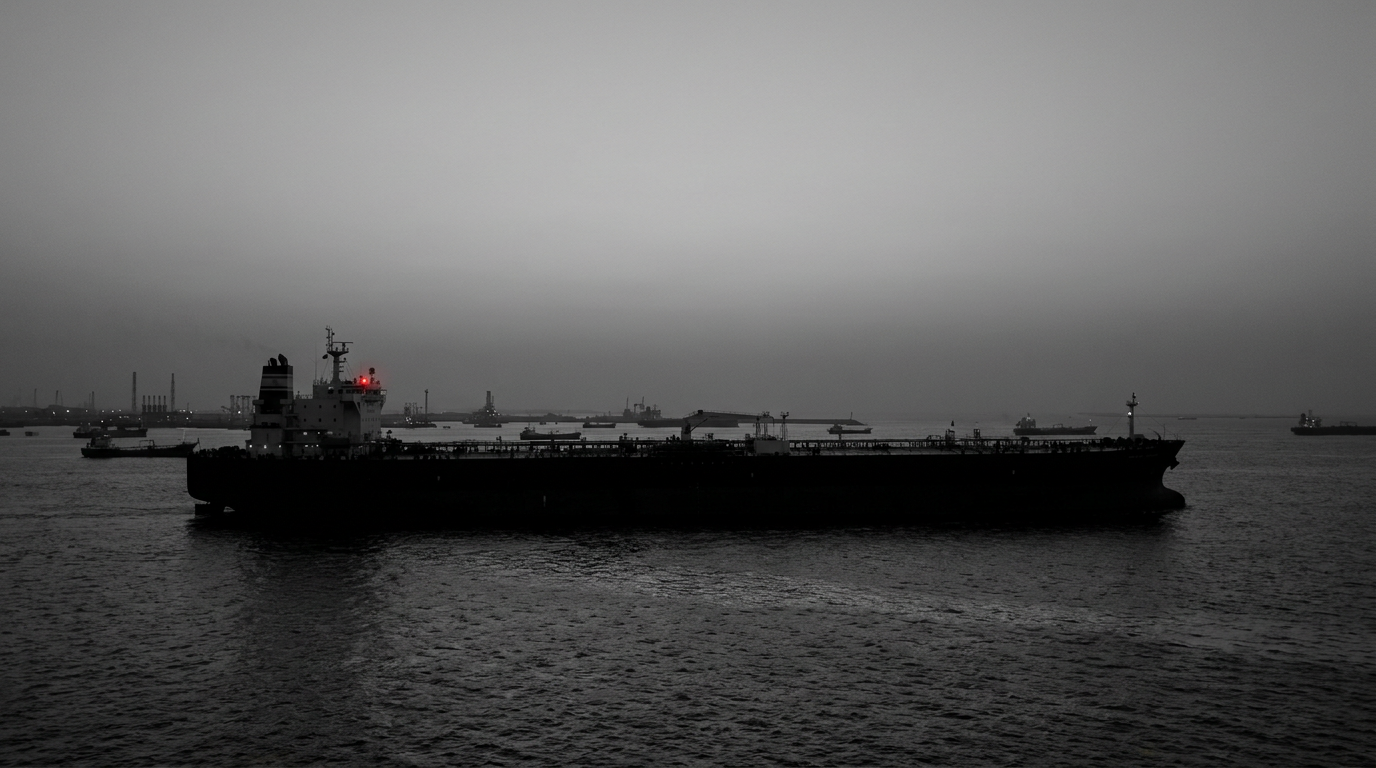
Saudi Aramco sold about 4 million barrels of Saudi crude to PetroChina, keeping heavier grades moving through Hormuz despite risk.
PetroChina takes September barrels
The state producer sold Arab Medium and Arab Heavy cargoes for September loading at sites just outside the Strait of Hormuz, according to traders familiar with the deals who were not authorized to speak publicly. The transaction marked the second sale this month of heavier Saudi grades to Chinese refiners, the traders said.
Aramco declined to comment, and PetroChina did not immediately respond to an emailed request for comment. The spot sales followed an earlier Saudi sale of sulfur-rich crude that traders said could load off Oman’s coast as soon as this month.
Yanbu route leaves heavy grades
The deals point to a constraint in Saudi Arabia’s export system after disruptions around Hormuz altered normal shipping patterns. Aramco has been able to move large volumes through Yanbu, its Red Sea port, but traders said the east-west pipeline serving that route has carried only the kingdom’s lighter crude grades.
That leaves heavier barrels more dependent on Persian Gulf logistics. By selling cargoes that can be transferred outside the narrowest risk area, Aramco is keeping a route open for grades that Chinese refiners use in plants configured for denser and more sulfur-rich feedstock.
Emma Li, lead China market analyst at Vortexa, said in a note that "Chinese refiners are becoming more willing to accept Middle Eastern barrels when they can be transferred outside the highest-risk zones." If that pattern holds, she said, traditional Middle East-to-China flows could resume without requiring Chinese vessels to pass through the most dangerous waterways.
Qatar and Iraq join flows
Saudi Arabia is not the only Gulf supplier seeking alternative delivery points for Asian buyers. Traders said Iraq and Qatar have increased crude exports, with some of the additional barrels going to Chinese refiners through deals structured around locations beyond Hormuz.
Chinese processors including PetroChina took at least 2 million barrels of Qatari Al-Shaheen and Marine crude after those grades were offered outside the strait, the traders said. China also bought Basrah crude from Iraq and cargoes from Abu Dhabi National Oil Co.’s latest tender, according to the same traders.
The commercial logic is straightforward: refiners still need Middle Eastern grades, but the delivery point now carries more weight in the purchase decision. For producers, offering cargoes away from the highest-risk stretch can protect market share in China without fully removing exposure to regional shipping disruptions.
Two Hormuz paths for Aramco
If offshore transfers continue to function, the global macro effect would be to reduce the risk of a sudden shortfall in Asian crude supply from the Gulf. For Aramco, that path would support sales of Arab Medium and Arab Heavy; for refiners, it would preserve access to familiar grades without forcing a full switch to alternative suppliers.
If access tightens instead, the pressure would move through freight, insurance and refinery procurement. Aramco would have fewer practical outlets for heavy grades not suited to the Yanbu pipeline route, while Chinese buyers could lean more heavily on Iraq, Qatar, Abu Dhabi or non-Gulf cargoes, changing price differentials across the sour crude market.
The main uncertainty is whether transfers outside Hormuz remain acceptable to shipowners, insurers and refinery buyers through the September loading cycle. A second open question is whether long-term Saudi contract volumes to China recover after traders said they fell following the disruption, or whether spot cargoes become the main tool for bridging the route risk.