

U.S. Democrats Explore Bypassing Electoral College via State-Level Legislation
Democratic state-level victories have revived efforts to bypass the Electoral College Popular Vote Interstate Compact, though significant legal and political…
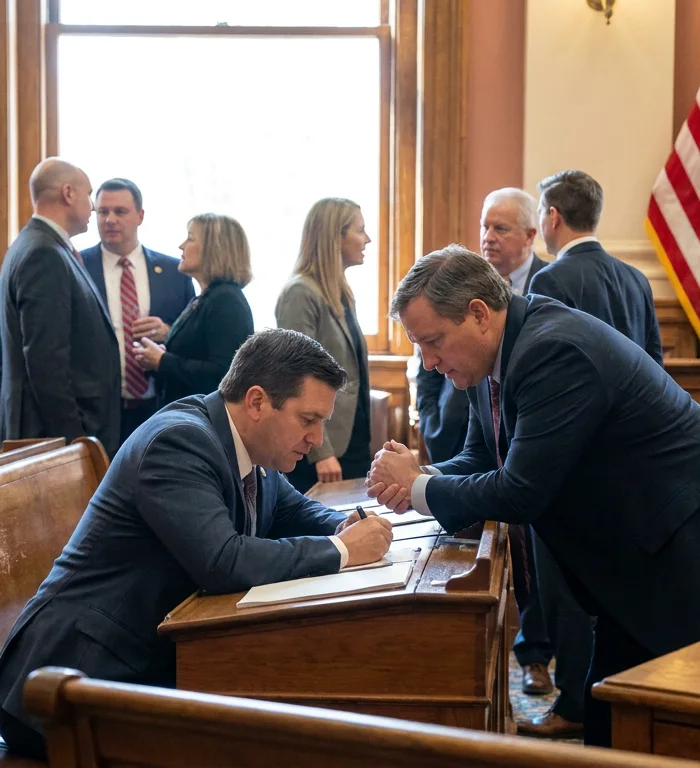
Democratic Party gains in recent state-level elections have increased the viability of Popular Vote Interstate Compact (NPVIC). This initiative seeks to ensure that the presidential candidate who wins popular vote secures the presidency by mandating that participating states award their electoral votes to winner, regardless of state-specific results.
Currently, 18 states and the District of Columbia have joined the compact, representing 222 electoral votes. The agreement is designed to take effect once participating states reach the 270-vote threshold required to win the presidency.
If the five states where Democrats recently secured control of both the governorship and the legislature join the compact, the total would reach 283, surpassing the requirement for implementation.
Proponents of the current winner-take-all system argue that Proponents of the current winner-take-all system argue that it prevents candidates from focusing exclusively on high-density population centers and protects the influence of smaller states. They contend that the existing structure serves as a safeguard against regional populism and ensures broader geographic representation in presidential campaigns.
Democratic Party
Conversely, critics argue that the 18th-century indirect election system is incompatible with modern democratic principles. They contend that the current system devalues votes based on geography and creates an environment where campaigns concentrate resources solely on a small number of swing states, effectively ignoring the majority of the electorate.
Significant political and legal hurdles remain before the compact can be implemented. Even in states where Democrats hold power, internal opposition persists due to concerns that the state would lose its individual influence in national elections. Furthermore, legal scholars suggest that the compact may require congressional approval under the Constitution’s Compact Clause, setting the stage for protracted constitutional litigation. Consequently, the application of this mechanism for the 2028 presidential election remains uncertain.
More stories
- FCC approves prison cellphone jamming despite 2.5-mile warning
- Congress tests Black Democrats' growing policy influence
- Cotton faults Lutnick over AI chips allegedly sent to China
- Vance declines to back Iran strikes as Trump defends war
- Paul seeks 20%-30% federal credit for U.S. film shoots
- Trump targets data centers abroad with tax threat to firms
- Trump staff shake-up puts Miller in Wiles’ White House position
- Stephen Miller succeeds Wiles as White House chief of staff
Latest news
- Trump prepares tariffs on China and other major exporters
- New-car buyers pay record average $50,087 in October
- Banks face ECB reserve debate over liquidity and profits
- Investors see Anthropic debut gains fade below $83 a share
- Iraq orders federal control over Kurdish-area oilfields
- Germans oppose Ukraine aid as poll shows support slipping
- Kim Jong-un receives 10 envoys after constitutional shift
- Ukraine claims Libya strike sinks Russian naval corvette