

Zelenskyy Visits Serbia, Bolstering Defense and Energy Ties
Ukrainian President Zelenskyy visited Serbia, signing new defense and energy agreements, signaling Belgrade’s strategic shift amidst regional dynamics.
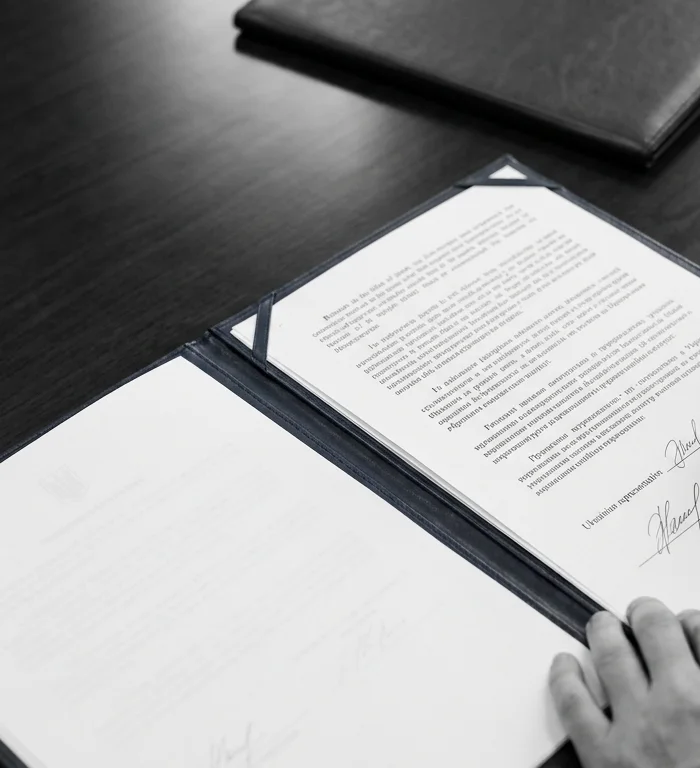
Ukrainian President Volodymyr Zelenskyy traveled to Belgrade on August 7, holding meetings with Serbian President Aleksandar Vucic. The visit centered on formalizing new agreements concerning defense and energy cooperation between the two nations.
This engagement highlights a notable diplomatic shift for Serbia, which has historically maintained strong ties with Moscow. The discussions reflect Belgrade's evolving foreign policy as it seeks to balance traditional allegiances with ambitions for greater integration with Western institutions, amidst a complex international landscape where energy security and defense capabilities are critical concerns.
Expanding Defense Collaboration
Despite Serbia's stated commitment to its relationship with Russia, the country has become a significant supplier of ammunition to Ukraine. Western officials have confirmed that Serbian-produced munitions have reached Ukrainian front lines, a development that has drawn criticism from Russian intelligence services. This collaboration in defense industries is expected to deepen further.
Future initiatives could involve partnerships with Israeli companies, such as Elbit Systems, which is currently establishing a drone manufacturing facility in Serbia. Such ventures could diversify Serbia's defense production capabilities and enhance its engagement with Western-aligned defense sectors.
Enhancing Energy Security Measures
A primary focus of the bilateral discussions was the enhancement of energy security. Serbia is actively pursuing integration into the Vertical Gas Corridor, a crucial infrastructure project aimed at reducing regional dependence on Russian energy supplies. This move is part of a broader strategy to secure more diverse energy sources and transit routes.
A key component of this strategy involves exploring the potential use of Ukraine's extensive underground gas storage facilities. By participating in the Vertical Gas Corridor and utilizing these facilities, Belgrade aims to decrease its energy sector's reliance on infrastructure linked to Gazprom, thereby fostering greater energy independence for the nation.
Navigating Political Realities
President Vucic's engagement with Ukraine occurs as Serbia prepares for upcoming parliamentary elections. This strategic realignment is viewed as a calculated effort by Belgrade to strengthen its connections with Washington and Brussels, despite potential domestic political challenges. Nationalist factions within Serbia may respond negatively to such moves, which deviate from traditional pro-Russian sentiments.
This diplomatic maneuver illustrates a delicate balancing act by the Serbian leadership, aiming to advance the country's economic and political interests while managing internal political dynamics and maintaining regional stability.
More stories
- Eisenkot secures first coalition deal but lacks majority
- Germans oppose Ukraine aid as poll shows support slipping
- Kim Jong-un receives 10 envoys after constitutional shift
- Ukraine claims Libya strike sinks Russian naval corvette
- COP31 climate talks collapse over fossil fuels and funds
- Russian military faces 1,087 recorded suicides in Ukraine war
- North Korea missiles test scaled-back US-South drill plan
- Strait of Hormuz tensions test Trump's Iran diplomacy plans
- Can Iran economic crisis trigger a new wave of protests
- G7 Leaders Gather in France With Ukraine, Iran and AI on the Table
Latest news
- Morocco targets 2030 World Cup final with new stadium bid
- Barclays puts AI bust risk at center of US growth debate
- US inflation reaches 3.8% before December Fed rate meeting
- Türkiye Desk: GTA 6 drains UK mobile spend as Turkish studios feel pressure
- Global stocks fall 0.4% as tariffs and US inflation loom
- CIA hack affects unclassified data; scope remains unclear
- Trump prepares tariffs on China and other major exporters
- New-car buyers pay record average $50,087 in October