

Yemen minister calls for state restoration to secure Red Sea trade
Foreign Minister Afrah Al-Zouba urges international intervention to end the blockade of Taiz and stabilize maritime transit lanes.
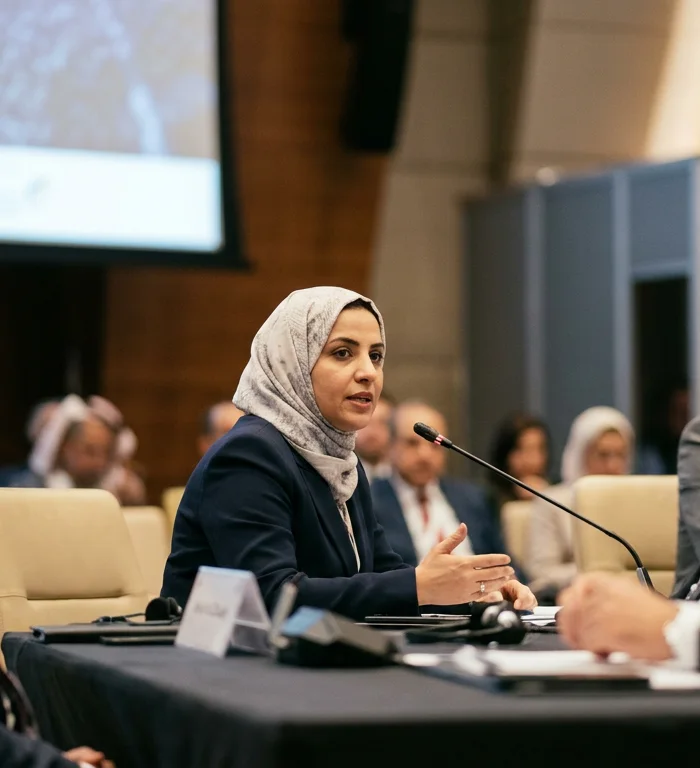
Restoring state authority in Yemen
Yemeni Foreign Minister Afrah Al-Zouba used the Manama Dialogue to press for the restoration of state institutions as the primary mechanism for ending the conflict. The address signaled a hardening stance from the Presidential Leadership Council (PLC) regarding the necessity of re-establishing central governance to curb regional instability. Al-Zouba specifically called for international pressure to resolve the ongoing siege of Taiz. The blockade of the city remains a critical proxy focal point between Houthi forces and the PLC, serving as a primary constraint on domestic efforts to consolidate territory.
Security vacuums and maritime transit
The intervention highlights how domestic territorial fractures have evolved into a direct threat to international maritime navigation. The Houthis have utilized the security vacuum to expand asymmetric drone and missile operations, effectively targeting commercial shipping through the Bab al-Mandab Strait. Current containment strategies, led by Saudi Arabia, have struggled to mitigate the impact on global trade. Rising insurance premiums and increased transit costs for vessels utilizing the Suez Canal have amplified pressure on regional actors to reconsider the efficacy of current de-escalation models.
Shifting the regional security discourse Yemen Yemeni Foreign Minister Regional officials at the dialogue expressed concern that quiet diplomatic channels have failed to secure essential port infrastructure. The discourse is shifting from a focus on localized ceasefires toward a broader requirement for the restoration of state functionality as a prerequisite for long-term Red Sea stability.
While the PLC seeks increased diplomatic backing, the effectiveness of this approach depends on the strategic priorities of regional power brokers. The primary open question remains whether backers will pivot toward supporting the central government’s control of port infrastructure or continue to prioritize border security through bilateral engagement with Sanaa.
More stories
- Germans oppose Ukraine aid as poll shows support slipping
- Kim Jong-un receives 10 envoys after constitutional shift
- Ukraine claims Libya strike sinks Russian naval corvette
- COP31 climate talks collapse over fossil fuels and funds
- Russian military faces 1,087 recorded suicides in Ukraine war
- US faces China, Russia in Africa minerals contest
- Indian refiners lift crude imports to record 5.6m bpd
- France Braces for Third Weekend of Protests as Youth Movements Gain Momentum Across Europe
- Xizang earthquake blocks highway as crews build shelters
- Typhoon Champi weakens but keeps Taiwan largely shut down
Latest news
- Trump prepares tariffs on China and other major exporters
- New-car buyers pay record average $50,087 in October
- Banks face ECB reserve debate over liquidity and profits
- Investors see Anthropic debut gains fade below $83 a share
- Iraq orders federal control over Kurdish-area oilfields
- Nvidia shares retreat as AI rally cools before PCE data
- Macy’s parade faces balloon limits as storm winds approach